Summer Clothing Styles Men: 7 Outfits That Actually Keep You Cool
At 32°C with 70% humidity, your cotton t-shirt stops working. The fabric clings. Sweat pools at your collar. You look damp, and worse — you feel damp. That’s not a style problem. That’s a fabric physics problem.
The average man’s summer wardrobe fails because he buys based on how something looks on a hanger, not how it behaves on skin. A 200GSM cotton jersey t-shirt from a fast-fashion brand traps heat. A 140GSM linen-cotton blend from Muji releases it. The difference is 3°C to 4°C of perceived temperature, and it costs the same.
This article covers seven specific outfit formulas that work because of material science, not marketing. Each one names real brands, real weights, and real reasons why they outperform the alternatives. No fluff. No “capsule wardrobe” platitudes.
Fabric Weight and Weave: Why Most Summer Shirts Fail Before You Put Them On
The number that matters most is grams per square meter (GSM). A summer shirt should sit between 100 and 150 GSM. Anything above 180 GSM belongs in autumn. Check the tag before you buy.
Weave matters as much as weight. Open weaves — linen, seersucker, chambray — allow air to pass through the fabric. Tight weaves — oxford cloth, poplin, twill — trap air against your skin. That trapped air heats up from your body temperature and stays there.
Three weaves that work in summer:
- Linen: 120-150 GSM. The gold standard. Wrinkles are a feature, not a bug. The wrinkles create air pockets that cool your skin.
- Seersucker: 130-160 GSM. The puckered texture lifts fabric off your skin. No cling. No sweat patches.
- Chambray: 110-140 GSM. Looks like denim but breathes like a summer shirt. Best for casual settings where you want structure without heat.
Brands that get this right: Uniqlo’s linen shirts ($40, 140GSM), Muji’s cotton-linen blend ($35, 130GSM), and Patagonia’s Capilene Cool Daily line ($55, 120GSM synthetic — dries in 30 minutes).
Brands to avoid for summer: Ralph Lauren’s classic oxford cloth (180GSM, tight weave), any “heavyweight” t-shirt (200GSM+), and most dress shirts labeled “non-iron” — the chemical finish that prevents wrinkles also blocks airflow.
Verdict: If you buy one summer shirt, make it a 140GSM linen from Uniqlo or Muji. It costs less than a fast-fashion cotton shirt and performs better in every condition above 25°C.
Color and Heat Reflection: White Isn’t the Only Option
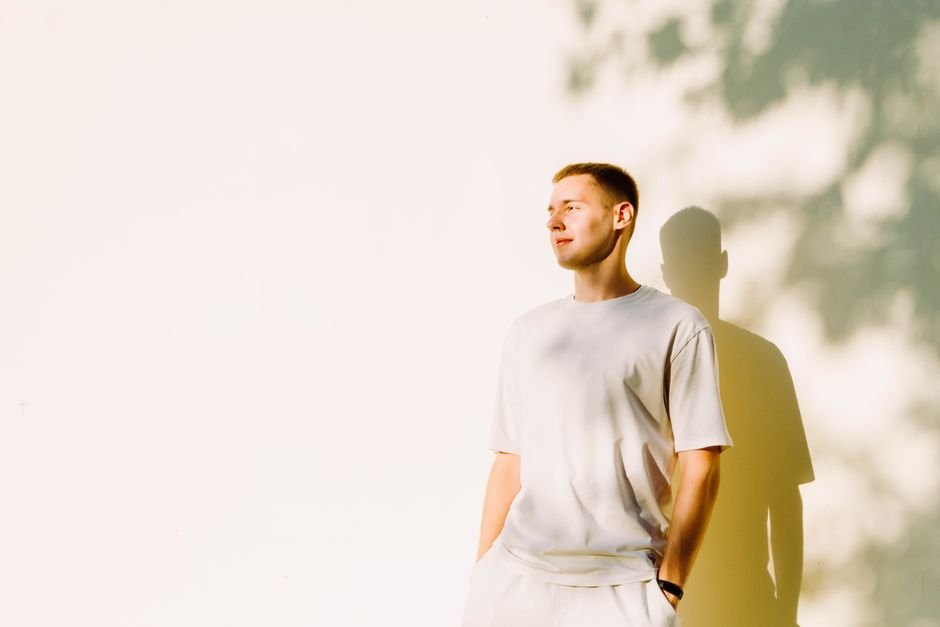
White reflects visible light. That’s true. But visible light accounts for only about 45% of solar energy. The rest is infrared and ultraviolet. White fabric reflects roughly 70% of total solar radiation. Light gray reflects about 60%. Light blue and pale pink reflect around 55%. Dark navy reflects about 20%. Black reflects 10%.
So white wins on pure physics. But there’s a catch: white shows every stain, every sweat mark, every wrinkle. If you’re commuting, eating outdoors, or doing anything active, white becomes impractical by noon.
Better options that still reflect heat:
- Light gray: Reflects almost as well as white. Hides sweat better. Works with everything.
- Pale blue: Classic summer color. Reflects well. Looks intentional even when wrinkled.
- Cream and off-white: Same reflectivity as white, but the slight warmth hides dirt and sweat marks.
The worst summer colors are dark navy, black, and forest green. They absorb heat and radiate it back at your skin. On a 35°C day, wearing a black cotton t-shirt adds about 3°C to your skin temperature compared to a white one. That’s measurable. That’s avoidable.
Verdict: Light gray linen shirt over a white cotton tee. You get 85% of the reflectivity of white with none of the maintenance headaches.
Three Outfit Formulas That Work in Any Summer Situation
These aren’t the only options. But they cover 90% of summer scenarios — casual, smart-casual, and hot-weather formal. Each one uses specific brands and specific fabric weights.
Outfit 1: The Every-Day Casual (25°C to 35°C)
Top: Uniqlo Linen Shirt ($40, 140GSM) in light gray, worn open over a plain white cotton tee (100-120GSM, any brand). Bottom: Bonobos Stretch Chino ($88, 180GSM — the stretch weave adds airflow). Shoes: Muji Canvas Sneakers ($30, unlined cotton upper). Total: ~$158. This outfit breathes at every layer. The open linen shirt acts as a loose second skin. The thin tee wicks moisture. The chinos have a relaxed cut that doesn’t trap heat at the thighs. The canvas sneakers don’t have synthetic linings that cause foot sweat.
Outfit 2: Smart-Casual for Dinner or Drinks (22°C to 30°C)
Top: Muji Cotton-Linen Blend Shirt ($35, 130GSM) in cream. Bottom: Uniqlo Wide-Leg Chino Shorts ($40, 150GSM cotton twill — the wide leg creates air circulation). Shoes: Suede loafers (no socks, or no-show socks from Bombas, $12). Total: ~$87. The cream color reflects heat. The wide-leg shorts don’t cling. The no-sock look is intentional, not accidental — the suede breathes better than leather.
Outfit 3: Hot-Weather Office or Event (26°C to 38°C)
Top: Patagonia Capilene Cool Daily Hoodie ($55, 120GSM synthetic) under a linen blazer. Bottom: Bonobos Stretch Chino ($88). Shoes: Loake suede chukka boots ($250). Total: ~$393. The Patagonia layer dries in 30 minutes if you sweat through it. The linen blazer (find one at 180GSM or lower — Suitsupply makes good ones at $400) adds structure without insulation. The chukka boots are ankle-height with a suede upper that breathes.
Verdict: Outfit 2 offers the best price-to-performance ratio. $87 covers a full outfit that works from 22°C to 30°C. If you only build one summer outfit, start there.
Footwear That Doesn’t Turn Your Feet Into Sweat Pools

Your feet have more sweat glands per square centimeter than any other body part. In summer, they produce about 200mL of sweat per day. If your shoes trap that moisture, you get blisters, odor, and fungal infections.
Three footwear types that handle summer well:
- Canvas sneakers: Muji Canvas Sneakers ($30). Unlined cotton upper. The canvas breathes. The rubber sole is thin enough that your foot doesn’t overheat. Replace the insole with a cork one from Superfeet ($25) for better moisture management.
- Suede loafers: Suede breathes better than leather because the nap creates micro-air channels. Loake makes good ones at $250. G.H. Bass has entry-level options at $100.
- Leather sandals: Birkenstock Arizona ($100). The cork footbed molds to your foot. The leather straps don’t cause the friction that nylon webbing does. The open design means zero heat trapping.
Footwear to avoid in summer:
- Leather sneakers with synthetic linings: The leather looks good but the synthetic lining (often polyester) traps moisture. Nike Air Force 1 ($110) is a classic example — great for winter, terrible for summer.
- Boots with Gore-Tex liners: Gore-Tex is waterproof, which means it’s also vapor-proof in high humidity. Your feet sweat, the moisture can’t escape, and you end up with wet socks from the inside.
- Rubber slides without footbeds: Adidas Adilette ($30) has a flat rubber footbed. No arch support. No moisture management. Your feet slide around and sweat pools on the rubber. Birkenstock EVA sandals ($40) have a contoured footbed that solves both problems.
Verdict: Canvas sneakers for most days. Suede loafers for smart-casual. Birkenstock Arizonas for weekends. Avoid anything with synthetic linings.
Short Length and Fit: The Difference Between Intentional and Accidental
Shorts are the most common summer clothing mistake. The wrong length makes you look like you’re wearing your little brother’s hand-me-downs or your dad’s golf shorts from 2026.
The correct inseam for most men is 7 to 9 inches. That’s measured from the crotch seam to the hem. A 7-inch inseam hits about 3 inches above the knee. A 9-inch inseam hits just above the knee. Anything longer than 10 inches makes your legs look short. Anything shorter than 5 inches requires a specific body type and confidence level.
Fit rules for shorts:
- Waist: Should sit at your natural waist, not below it. Below-waist shorts (hipster cut) create a muffin top and shorten your torso.
- Thigh: There should be 1 to 2 inches of fabric between your thigh and the shorts leg. If the fabric touches your thigh, the shorts are too tight. If you can pinch 3+ inches, they’re too loose.
- Hem: The hem should not flare out. A flared hem looks like a skirt. Look for shorts with a tapered leg opening.
Brands that get shorts right: Bonobos Stretch Chino Shorts ($88, 7-inch inseam, tapered fit), Patagonia Baggies ($55, 5-inch or 7-inch inseam, elastic waist, quick-dry fabric), Uniqlo Cotton Chino Shorts ($40, 7-inch inseam, straight leg).
Brands to avoid: Ralph Lauren’s 11-inch inseam shorts (they hit below the knee and look dated), any cargo short with thigh pockets (the pockets add bulk and heat), and most athletic shorts with mesh liners (the liner traps sweat against your skin).
Verdict: 7-inch inseam, tapered fit, natural waist. Bonobos Stretch Chino Shorts are the best option at any price under $100.
Layering for Summer: Yes, It’s Possible. Here’s How.
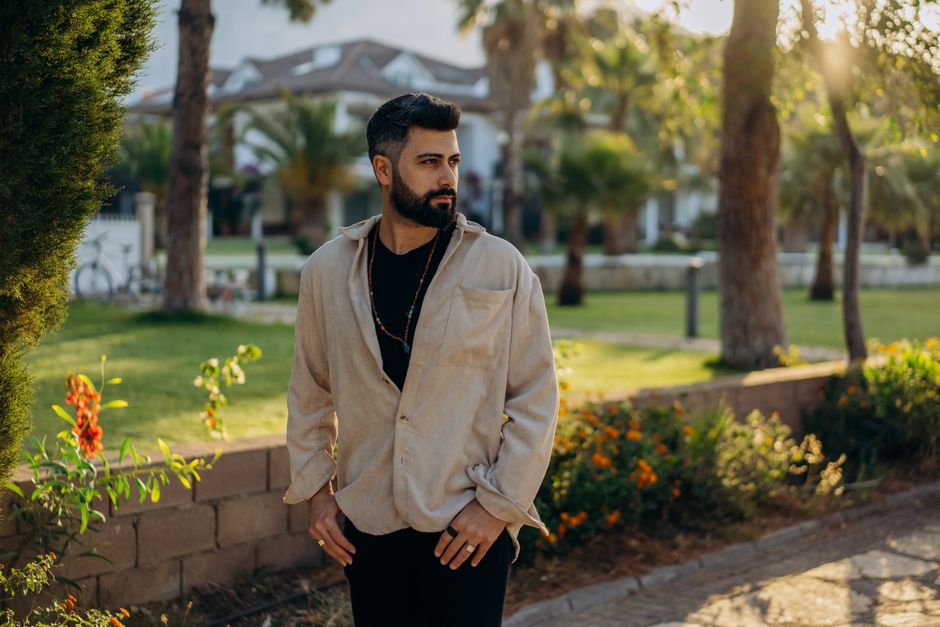
Layering in summer sounds counterintuitive. But a thin, breathable layer between your skin and your shirt can actually keep you cooler. Here’s why: that middle layer wicks moisture away from your skin and spreads it across a larger surface area, where it evaporates faster. Evaporation = cooling.
The best summer base layer is a synthetic or merino wool t-shirt at 100-130GSM. Cotton fails here because it absorbs moisture and holds it against your skin. Synthetic fabrics (polyester, nylon) and merino wool wick moisture away.
Three base layers that work:
- Patagonia Capilene Cool Daily Graphic Tee ($55, 120GSM polyester). Dries in 30 minutes. Has a built-in odor resistance treatment. Comes in colors that don’t show sweat.
- Uniqlo Airism Mesh T-Shirt ($15, 90GSM polyester). Ultralight. Almost transparent when stretched. Worn under a linen shirt, it creates a cooling microclimate. The mesh structure allows air to circulate between the fabric and your skin.
- Icebreaker Cool-Lite Sphere Tee ($70, 130GSM merino blend). Merino wool can absorb up to 30% of its weight in moisture without feeling wet. It regulates temperature better than synthetic. The downside: it costs more and requires gentle washing.
How to layer correctly for summer:
- Base layer: 100-130GSM synthetic or merino. Fitted, not tight. It should touch your skin without compressing it.
- Mid layer: Open-weave shirt (linen, seersucker, chambray) at 130-150GSM. Unbuttoned or loosely buttoned. The open front allows air to flow between the layers.
- Outer layer (optional): Unstructured linen blazer or cotton chore coat. Only for evenings or air-conditioned spaces.
Verdict: Uniqlo Airism Mesh ($15) under a linen shirt ($40) is the cheapest and most effective summer layering combo. Total cost: $55. Temperature reduction: about 2°C to 3°C compared to a cotton t-shirt alone.
When Summer Clothing Stops Working: Heat, Humidity, and the Limits of Fabric
No fabric can keep you cool at 38°C with 90% humidity. At that point, sweat can’t evaporate because the air is already saturated with moisture. Evaporative cooling stops working. Fabric choice becomes secondary to other strategies.
Signs that you’ve exceeded what clothing can do:
- You’re sweating through a linen shirt within 10 minutes of going outside.
- Your synthetic base layer feels wet, not damp.
- You feel cold despite the heat — that’s your body’s core temperature dropping from heat stress.
When clothing can’t solve the problem, change your approach:
- Switch to loose, wide silhouettes: A loose linen kurta or a wide-leg linen trouser creates a chimney effect — hot air rises out of the neck opening and pulls cool air in from the bottom. Brands like Muji and Uniqlo sell wide-leg linen trousers ($50) that do exactly this.
- Use a cooling towel or neck fan: The Mission Cooling Towel ($15) uses evaporative cooling technology. Soak it, wring it, snap it. It stays cool for 2-3 hours. A neck fan from JISULIFE ($30) creates airflow across your neck and face, where blood vessels are closest to the skin.
- Stay indoors between 12pm and 3pm: This isn’t a fashion tip. It’s a survival tip. The sun is directly overhead. UV index peaks. Surface temperatures hit their maximum. No clothing can fully compensate for that.
The mistake most men make is buying more expensive versions of the same thing. A $200 linen shirt doesn’t cool better than a $40 one. The fabric weight and weave are the same. The difference is in branding and buttons. Save your money.
Verdict: At 38°C and above, switch to wide silhouettes and mechanical cooling. Your clothing can only do so much. Accept the limit and plan around it.