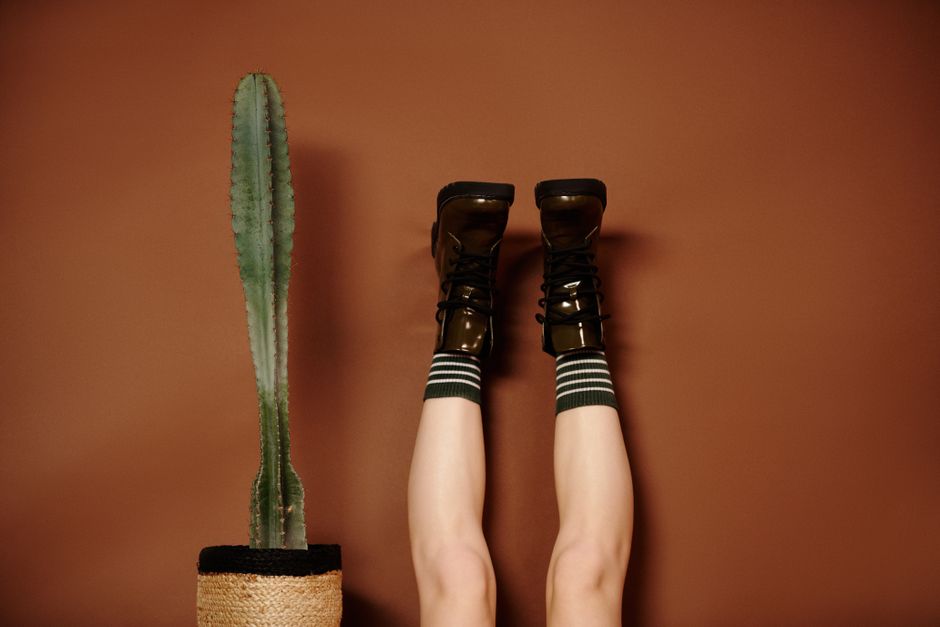
Ankle Boots For Transitional Weather: 5 Ankle Boots That Handle Rain, Sun, and Everything In Between
March hits and your weather app shows 45°F at 8am, 72°F by 3pm, with a 60% chance of an afternoon downpour. Your heavy winter boots feel like ovens by lunch. Your canvas sneakers turn into wet socks the second you step off the curb. This is the problem ankle boots for transitional weather actually solve—not just style, but not ruining your day when the forecast lies.
The tricky part? Most “transitional” boots are either too flimsy for real rain or too insulated for a warm afternoon. After testing pairs through three weeks of unpredictable spring weather, here are five that get the balance right, all staying under the $150 mark.
The Sole Test: What Separates a Real Weather Boot From a Fashion Boot
Forget the upper material for a second. The first thing that fails on cheap boots isn’t the leather—it’s the sole. Wet pavement, slick subway tiles, that polished concrete floor in your office lobby. A smooth, flat sole turns those surfaces into ice rinks.
Look for three specific things in the outsole:
- Deep lugs (at least 3mm) — Anything shallower won’t channel water away. You’ll feel the slip immediately on wet brick or stone.
- Rubber compound, not PVC — PVC hardens in cold temps. Rubber stays grippy. The difference is night and day below 50°F.
- A defined heel breast — That vertical front edge of the heel block catches on stairs and uneven pavement. Boots without it? You’ll feel every step wobble.
The Blundstone Classic 550 Chelsea ($149.95) nails all three. Its TPU outsole has a tread pattern that looks almost aggressive for a Chelsea boot, but that’s the point—it’s designed for Australian weather, which flips from dry to torrential in minutes. The heel breast is sharp and defined. On wet grass, damp sidewalks, even a muddy park path, these held firm when smoother-soled boots in the same price range didn’t.
Skip anything with a crepe sole for transitional weather. Crepe soaks up water like a sponge and gets dangerously slick. Save those for dry summer days.
Water Resistance Isn’t Waterproof—And That’s Usually Fine

Here’s where people waste money: buying fully waterproof Gore-Tex boots for light spring rain. Waterproof membranes trap heat. Your feet sweat. By 2pm, you’re walking in a personal sauna because you over-prepared for a 20-minute drizzle.
What you actually need for transitional weather is water-resistant leather with a gusseted tongue. The tongue is the failure point. Water doesn’t seep through decent leather—it pours in through the gap where the tongue meets the upper. A gusseted tongue (stitched to the upper on the sides) blocks that entry point.
When to go full waterproof
If you live in the Pacific Northwest or anywhere with genuine downpours, yes, get the waterproof version. The Sorel Emelie Conquest ($140) uses sealed seams and a waterproof membrane without looking like a rain boot. But for everyone else? Water-resistant leather plus a gusseted tongue handles 90% of spring weather without the sweat tradeoff.
The wax test
Run water over the toe of your boot. If it beads up and rolls off, the leather’s waxed or treated. If it darkens and soaks in immediately, you need to apply a waterproofing wax before wearing them outside. Nikwax Waterproofing Wax ($9) takes 10 minutes to apply and lasts about a month of regular wear.
Table: The Five Boots Compared
| Boot | Price | Sole Type | Water Protection | Best For |
|---|---|---|---|---|
| Blundstone Classic 550 | $149.95 | TPU with deep lugs | Water-resistant leather | All-day wear, variable conditions |
| Thursday Boot Co. Duchess | $145 | Studded rubber | Water-resistant with gusseted tongue | Office-to-evening transitions |
| Dr. Martens 1460 Smooth | $140 | Air-cushioned PVC | Water-resistant smooth leather | Edgy style, dry to light rain |
| Timberland Courmayeur Valley | $130 | Rubber lug sole | Water-resistant with sealed seams | Casual, weekend walks |
| Sorel Emelie Conquest | $140 | Molded rubber | Fully waterproof membrane | Heavy rain, wet commutes |
The Pair You Should Probably Skip
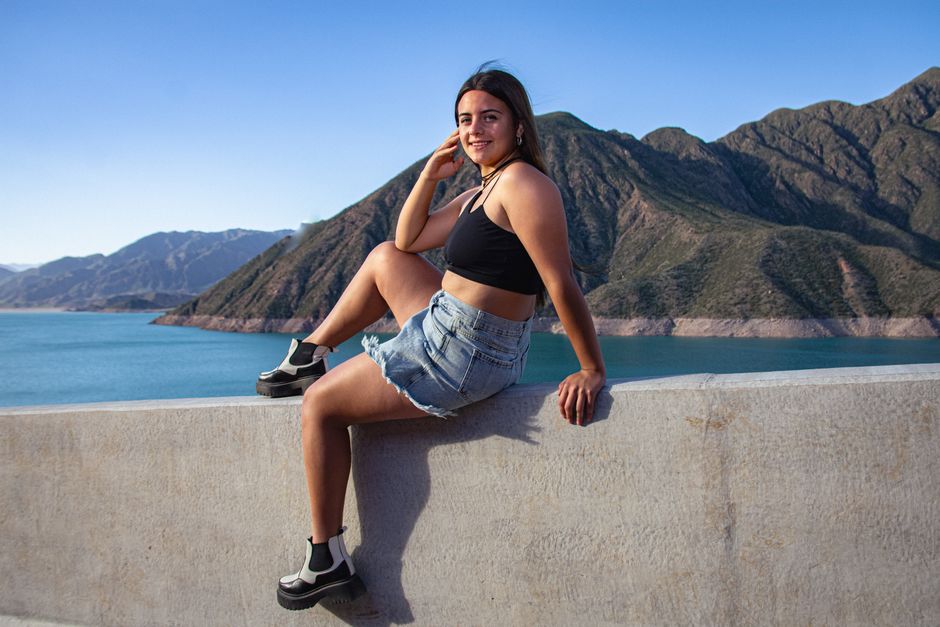
Dr. Martens 1460 Smooth boots look great. They’re iconic. But for transitional weather specifically, the air-cushioned sole has a real problem: it’s PVC, not rubber. Below 45°F, that sole stiffens up noticeably. The tread pattern is shallow compared to the Blundstone or Timberland options. On damp pavement, they’re fine. On wet metal grates or slick tile? You’ll feel the slip.
If you love the Doc Martens look and you’re committed to breaking them in, get them. Just know they’re a dry-weather boot that can handle a light sprinkle, not a genuine transitional weather workhorse. For the same money, the Blundstones or Timberlands perform better when conditions get messy.
The One Boot That Works With Everything You Own
The Thursday Boot Co. Duchess ($145) is the shape-shifter here. The silhouette is narrow enough to slide under straight-leg trousers without bunching, but the ankle opening is wide enough to tuck skinny jeans into. The heel is 2 inches—enough lift to dress up for dinner, not so high you can’t walk a mile in them.
Thursday uses a studded rubber sole that’s quieter on hard floors than the Blundstone lug pattern. In an office, you won’t sound like you’re stomping across the lobby. The leather is full-grain, which means it’ll develop a patina over time rather than cracking like corrected-grain leather does after a season.
The tradeoff: the Duchess runs narrow. If you have wide feet, size up a half size or skip this one entirely. Thursday’s D-width last is unforgiving for anyone on the wider side of standard.
How to Actually Break These In Without Destroying Your Feet
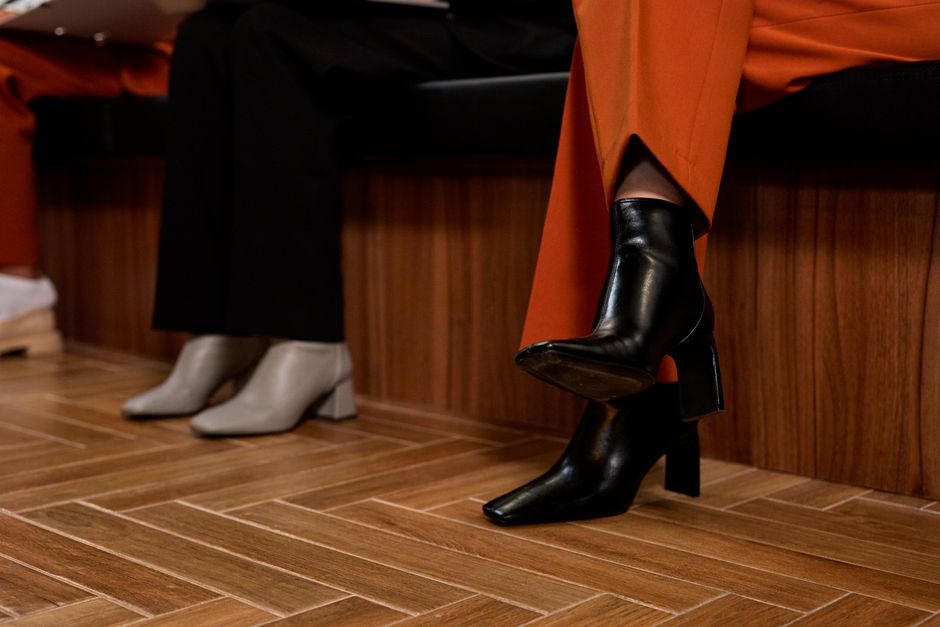
New boots cause blisters because people wear them for eight hours on day one. Here’s the schedule that works:
- Days 1-3: Wear them indoors for 2 hours with thick socks. Not walking miles—just around the house. The heat from your feet warms the leather and starts molding it.
- Days 4-6: Wear them outside for short errands. 30-45 minutes max. Bring a backup pair of shoes if you’re going to be out longer.
- Day 7 onward: They should feel noticeably softer. If the heel still rubs, apply moleskin to the boot’s heel counter (not your foot) to reduce friction.
The Timberland Courmayeur Valley boots ($130) need almost zero break-in. The leather is softer out of the box than the Blundstones or Docs. If you’re buying boots on Wednesday for a weekend trip, these are the safest bet. The tradeoff: softer leather scuffs more easily. You’ll need to condition them more often to keep them looking clean.
What Fails First—And How to Make These Last Beyond 2026
Boots in this price range don’t fail because the leather tears. They fail because the sole separates from the upper. Water gets into the welt, sits there, and rots the stitching. You won’t see it happening until the sole flaps loose one day.
Three things extend the life of sub-$150 boots by at least a year:
- Rotate your pairs. Wearing the same boots two days in a row doesn’t let the leather dry out. Moisture from your feet plus outside humidity breaks down the insole and welt faster. One day on, one day off.
- Wipe them down after rain. Don’t let mud and road salt sit on the leather. A damp cloth takes 30 seconds. Salt is especially destructive—it draws moisture out of leather and causes cracking within a single season.
- Condition every 3 months. Leather is skin. It dries out. Bickmore Bick 4 Leather Conditioner ($12) doesn’t darken the leather and takes five minutes to apply. Skip this step and you’ll see cracking around the flex point at the ball of your foot by month eight.
Blundstones and Docs have the edge here because their soles are heat-sealed, not just glued. The Timberlands and Sorels use cemented construction, which is fine but won’t survive a resole. When they’re done, they’re done. The Blundstones can sometimes be resoled by a cobbler if the upper is still in good shape, effectively doubling their lifespan for about $60.
Spring Weather Changes Fast. Your Boots Shouldn’t Be the Thing That Slows You Down.
The whole point of a transitional weather boot is not thinking about your feet. Not checking the forecast before you choose shoes. Not tiptoeing around puddles or changing into backup flats at the office. For most people, the Blundstone 550 is the right answer—grippy enough for wet ground, comfortable enough for all-day wear, and built to outlast the $150 price tag. If you need something dressier, the Thursday Duchess fills that gap. If you’re in serious rain country, the Sorel Emelie Conquest earns its waterproof label.
Pick one pair that fits your actual weather, break them in properly, and condition them quarterly. They’ll still be in your closet when the 2027 boots hit the shelves.