Romance is Dead
Forget the frills, the delicate lace, the flowing silks. That era of fashion, the one steeped in sugary romance, is over. Modern style demands something else entirely, something sharper, more real.
The Myth of Timeless Romanticism
People keep clinging to this idea that fashion should always be about whimsy, about a certain delicate, embellished beauty. They remember historical periods, or maybe just their grandma’s notions, and assume that’s the default. It’s not. Romanticism in fashion, as we knew it, was a phase, often tied to specific eras of escapism or idealized femininity. It was never meant to be eternal.
This persistent belief in an evergreen romantic ideal is holding people back. They scroll through social media, seeing curated nostalgia, and think they’re missing something. They aren’t. They’re missing the point: fashion evolves. What felt fresh and aspirational a few decades ago often feels dated, even suffocating, today. The world moved on, and so did our closets.
The Persistent Gaze of Nostalgia
We’re bombarded with throwbacks. Archive fashion, vintage aesthetics, entire brands built on rehashing past glories. Some of it’s great, sure. But for every genuinely cool reinterpretation, there are ten attempts to simply recreate a vibe that doesn’t fit contemporary life. Think of the elaborate gowns or overtly feminine silhouettes from past decades. They demanded a certain lifestyle, a certain performance. That’s not how most people live now. The expectation that fashion should always lean into this theatrical, soft-focus fantasy ignores the practicalities and sensibilities of our current existence. It’s a comfortable lie that fashion is slowly but surely dismantling.
When Florals Feel Fake
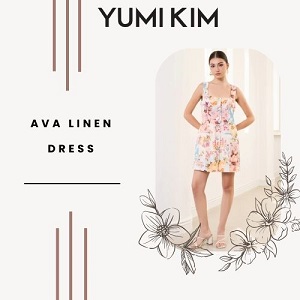
There’s a disconnect. You see an outfit, maybe a flowing floral dress or a top with intricate embroidery, and it looks beautiful in a picture. But in real life, walking through a busy city street or tackling a demanding workday, it feels… off. It feels performative. Like you’re playing a part in a period drama. That’s the problem. Romantic details, when overdone or out of context, stop being charming and start being costume. We demand authenticity now. We demand clothes that move with us, work for us, and genuinely reflect who we are, not some idealized version of who we think we should be.
It Died a Slow, Painful Death
It wasn’t one thing that killed romantic fashion. It was a societal shift, a collective exhaustion. Minimalism chipped away at the excess, streetwear ridiculed the formality, and a general cynicism about performative femininity delivered the final blow. It’s done. Embrace it.
The Rise of Unsentimental Style
What replaced the frills and flounces? Reality. We’re seeing a clear pivot towards utility, clean minimalism, and deconstructed designs. This isn’t just a trend; it’s a recalibration. Clothes need to work. They need to adapt to diverse lifestyles, from the office to the commute to weekend escapades. The focus shifted from elaborate fantasy to functional elegance, from overtly pretty to undeniably powerful. It’s about impact through precision, not adornment.
This new unsentimental style embraces a certain brutal honesty. Fabrics are often robust, silhouettes are considered, and details serve a purpose. There’s a quiet confidence in its lack of pretense. Think streamlined forms, neutral palettes, and unexpected textures. It’s not about being harsh; it’s about being grounded. It’s fashion that respects your time and intelligence, not your desire to be a princess.
Function Over Fairy Tale
Practicality reigns. Pockets are essential, not ornamental. Durable fabrics like technical nylons, sturdy cotton twills, and refined wool blends are prioritized. Garments are designed for movement, for layering, for adapting to unpredictable schedules and weather. We’re talking about tailored trousers that actually allow you to sit comfortably, outerwear that truly protects, and versatile separates that can be dressed up or down without losing their core integrity. The idea that fashion should be impractical to be beautiful is officially obsolete. Clothes should enhance your life, not complicate it with delicate care instructions or restrictive cuts.
Deconstructing the Fantasy
The beauty in this new aesthetic often comes from what’s revealed, not what’s hidden. Exposed seams, raw hems, unfinished edges, and visible stitching are not flaws; they are design choices. This deconstruction strips away the illusion of perfection and celebrates the construction of the garment itself. It’s a nod to craftsmanship and an acknowledgment that beauty can be found in the imperfect, the honest, the unpolished. This approach mirrors a broader cultural shift towards transparency and authenticity. It’s about showing the work, revealing the structure, and finding elegance in elements that traditional romanticism would have painstakingly concealed.
The Power of Understated
Quiet luxury and minimalist impact define this era. This doesn’t mean boring; it means intentional. It’s about premium materials, impeccable tailoring, and a focus on subtle details that speak volumes. A perfectly cut blazer, a luxurious cashmere sweater, or a well-designed pair of boots make a stronger statement than an entire outfit laden with ruffles and bows. The power comes from the garment’s inherent quality and design, not its ability to shout for attention. It’s a mature, confident approach to dressing that values longevity and versatility over fleeting trends. Understated style is about making an impression without trying too hard, a clear departure from the performative nature of traditional romantic fashion.
Dressing for Reality: A New Playbook
- Streamline Your Silhouette: Ditch anything that adds unnecessary bulk or flow. Focus on clean lines and defined shapes. Think straight-leg trousers, structured blazers, and fitted knitwear. Oversized can work, but it needs to be intentional, not just baggy. The goal is a purposeful silhouette that moves with you, not against you.
- Embrace Neutrality (Mostly): Build your core wardrobe around black, white, gray, navy, and earth tones. These colors are versatile, sophisticated, and create a cohesive foundation. You can introduce pops of color, sure, but do it strategically with accessories or a single statement piece, not as the main event.
- Prioritize Texture: Since overt embellishment is out, texture becomes your best friend. Think ribbed knits, crisp cottons, soft wools, sturdy denim, and smooth leathers. Mixing textures adds depth and interest to an otherwise simple outfit. It’s how you create richness without resorting to frills.
- Invest in Quality Basics: A well-made t-shirt, a classic trench coat, a sturdy pair of jeans, and comfortable, stylish shoes are your uniform. These pieces will outlast trends and form the backbone of a truly functional and elegant wardrobe. Don’t skimp here; the foundation matters.
- Master the Art of Layering: Layering adds dimension, warmth, and visual interest. It also allows you to adapt to different environments throughout the day. A crisp shirt under a sweater, topped with a utility jacket – that’s practical, chic, and decidedly un-romantic.
Why ‘Pretty’ Isn’t Enough Anymore
Being merely “pretty” is a lazy default. It’s a concession, not a statement. Fashion isn’t about passively appearing agreeable anymore. It’s about agency. It’s about expressing identity, strength, and a nuanced understanding of the world. Just looking “pretty” implies a lack of depth, a reliance on surface-level appeal that modern sensibilities have largely moved past. We demand more from our clothes, and from ourselves.
Modern fashion demands thought, edge, and personality. It’s about confidence forged in authenticity, not conformity to some outdated, sugary ideal. It’s about making choices that reflect your internal landscape, not just external expectations. The era of dressing solely to please or to fit a passive feminine stereotype is over. Now, you dress to empower yourself, to engage, to challenge. That takes more than just being “pretty”; it takes presence.
The Burden of Perfection
Traditional romantic aesthetics often came with an unspoken expectation of perfection: perfectly coiffed hair, immaculate makeup, not a wrinkle out of place. This unrealistic ideal was exhausting and frankly, boring. Escaping this burden means embracing a more relaxed, lived-in approach to style. It’s about comfort that doesn’t sacrifice chic, and a sense of effortlessness that comes from genuine self-assurance, not from hours spent trying to achieve an unattainable flawless look. Real style is not about being perfect; it’s about being compelling.
Authenticity Trumps Adornment
Adornment for adornment’s sake just feels hollow now. The shift is towards finding your true style, a personal aesthetic that resonates with your values and your daily life. This means prioritizing pieces that genuinely make you feel good and confident, rather than those that just look good on a hanger or in a fashion magazine. Authenticity is the new embellishment. When your clothes reflect who you are, they gain a power that no amount of lace or embroidery could ever provide. It’s a subtle but profound difference that dictates how you approach your wardrobe.
Your Top Questions on Anti-Romantic Dressing Answered
Can I still wear a dress?
Absolutely. But how you style it changes everything. Forget the floaty, overly delicate pieces. Think structured sheath dresses, utility-inspired shirt dresses, or sleek knit dresses. Pair them with sturdy boots or minimalist sneakers, a sharp blazer, or an oversized utility jacket. The key is to ground the femininity with something more robust, more functional. The dress becomes a canvas for strong styling, not the sole statement of romance.
What about color and print?
Color and print are not banned, they’re just used strategically. Instead of ditsy florals or pastel overload, consider bold graphic prints, geometric patterns, or abstract designs. Earthy tones, deep jewel shades, or even a single vibrant primary color can provide impact. The difference lies in intention. Use them to make a statement, to add a focal point, not to create an overwhelming sense of sweetness or prettiness. Think modern art, not a Victorian garden party.
Is there any room for softness?
Yes, but it’s about texture and drape, not frill. Think luxurious cashmere, soft merino wool, or fluid silk that skims the body. These materials offer comfort and a tactile appeal without resorting to overt romantic details. A soft, oversized knit sweater paired with tailored trousers, for instance, offers a comfortable, sophisticated softness that’s entirely modern. It’s about sensual experiences with fabric, not superficial embellishment. Softness can be understated, powerful even, when it’s about the quality and feel of the garment itself.
Romantic vs. Real: A Style Showdown
| Feature | Traditional Romantic Style | Modern Unsentimental Style |
|---|---|---|
| Silhouette | Flowing, voluminous, cinched waists | Clean, structured, often oversized or tailored |
| Fabrics | Lace, chiffon, silk, delicate cotton, tulle | Technical nylons, sturdy cotton, wool, leather, denim |
| Details | Ruffles, bows, embroidery, floral prints | Clean lines, exposed seams, utilitarian hardware, minimalist buttons |
| Color Palette | Pastels, soft neutrals, vibrant florals | Neutrals (black, white, grey, navy), earth tones, strategic pops of bold color |
| Overall Vibe | Dreamy, delicate, whimsical, idealized | Grounded, sharp, purposeful, authentic |
| Focus | Aesthetic beauty, feminine allure | Function, comfort, individuality, quiet confidence |
This isn’t about shunning beauty; it’s about redefining it. The allure of the modern unsentimental style lies in its honesty. It’s about clothes that feel right, work hard, and speak to a contemporary sensibility. It’s not necessarily about being harsh or masculine, but about embracing strength and practicality as core elements of true style. Romanticism, as a dominant fashion force, is a relic. It’s time to build a wardrobe that reflects the reality of now.
Stop chasing yesterday’s dream; dress for the sharp, honest reality of now.