Pale Ghosts
Most people think pale ghost fashion means wearing all white and calling it done. That is not the aesthetic — that is laundry day. The actual look is built on luminosity, intentional texture, and a palette that lives between ivory and ash, not between bleach and nothing.
This is one of the most misunderstood looks in fashion. Done right, it reads ethereal and deliberate. Done wrong, it reads like a Halloween costume or a bad flu.
What the Pale Ghost Aesthetic Actually Is
The pale ghost aesthetic pulls from several overlapping references: Victorian mourning dress, Romantic-era portraiture, deconstructed Japanese minimalism, and the DIY romanticism that floated around fashion blogs in the early 2010s. It is not one coherent movement. It is a mood with specific visual rules.
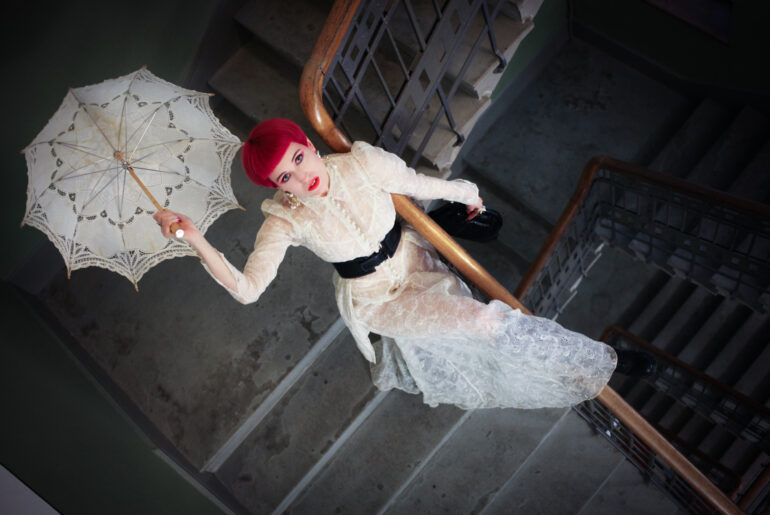
The core idea is deliberate pallor — choosing colors and fabrics that absorb light softly rather than reflect it harshly. Think the difference between a freshly bleached white t-shirt and an antique lace tablecloth. Both are pale. Only one looks intentional.
Where This Look Comes From
Designers have worked in this territory for decades. Yohji Yamamoto built an entire career around black, white, and the tension between them — his whites always felt worn and considered, never clinical. Comme des Garçons’ White Drama collections showed how pale fabric could be sculptural rather than simple.
More recently, Simone Rocha, Sandy Liang, and Cecilie Bahnsen have pushed the aesthetic into something more romantic and accessible. Rocha’s tulle and pearl details, Liang’s bow-heavy layering, and Bahnsen’s voluminous Danish minimalism all share a pale, dreamlike quality without tipping into costume territory.
What Separates Ethereal from Just Pale
Three things mark the difference:
- Texture contrast: Matte against sheer, linen against organza, ribbed against smooth
- Deliberate layering: Not pile-on layering — visible intention. A slip dress under a sheer skirt, not a hoodie under a blazer.
- Tonal precision: Warm whites next to warm creams. Cool greys next to cool lavender. Never a random mix of whatever happens to be light.
Silhouette matters too. Flowing, draped, or slightly oversized reads ethereal. Tight and pale reads clinical.
The Three Pillars That Hold the Look Together
Any outfit that lands in pale ghost territory does at least two of these three things:
- Uses fabric with visual depth — lace, chiffon, brocade, velvet in pale tones
- Layers transparently, so you can see the garment beneath
- Includes one vintage or antique-feeling element — a collar detail, a brooch, something with age to it
These are not rules to follow mechanically. They are markers that tell you whether what you have assembled reads as considered or accidental.
The Color Palette: It Is Not Just White
Bright white is actually overrated in this aesthetic. The most interesting pale ghost looks use at least two distinct tones, and rarely include pure white at all. The more effective palette sits in antique whites, warm stones, and desaturated pastels — colors that look like they have been gently bleached by time rather than fresh out of a box.
| Color Name | Tone Description | Best Used As | Pairs With |
|---|---|---|---|
| Antique White | Warm, slightly yellow-white | Base layers, dresses | Pale grey, dusty lavender |
| Dove Grey | Cool, desaturated grey | Outerwear, trousers | Cream, blush, pale blue |
| Dusty Rose | Muted, desaturated pink | Accent pieces, tops | Ivory, warm white, ash |
| Pale Sage | Washed-out green-grey | Layering pieces | Cream, stone, soft white |
| Lavender Mist | Very pale, cool purple | Accent or base layer | White, dove grey, blush |
| Stone | Warm greige | Grounding piece | Almost any pale tone |
The temperature rule is the one most people miss. Keep your palette within one temperature zone. Warm ivories with warm stone. Cool greys with cool lavender. Mixing warm and cool pale tones without intention does not create interesting tension — it creates visual noise that reads as accidental.
Fabrics That Actually Sell This Look
Color gets the credit, but fabric does the real work. The wrong fabric in a pale tone looks cheap or clinical. The right fabric in the same tone looks deliberate. This is the single biggest factor separating pale ghost from just wearing light-colored clothes.
The Fabrics Worth Seeking Out
- Organza: Crisp but sheer — holds shape while remaining transparent. Cecilie Bahnsen and Simone Rocha both use it heavily for structure without visual weight.
- Chiffon: Softer and more draped than organza. Better for layering over slip dresses where you want movement.
- Lace: Vintage lace especially. Adds texture and visual age in a single piece.
- Linen: In pale tones, slightly wrinkled linen reads effortlessly undone rather than careless. Eileen Fisher and COS execute this consistently well.
- Silk charmeuse: The slip dress fabric. Liquid drape, subtle sheen. Reformation’s slip dresses (~$200–$250) are the accessible benchmark for this quality.
- Velvet in pale tones: Counterintuitive but effective — dusty rose or pale grey velvet adds visual weight and depth without making a look feel heavy or dark.
Fabrics to Skip
- Bright white cotton jersey: Reads as gym clothes, full stop.
- Polyester satin: The plastic sheen kills the ethereal quality immediately.
- Thick knits in cream or ivory: Cozy and warm, but not what this aesthetic calls for.
- Technical fabrics in pale tones: Too modern and utilitarian — the opposite energy entirely.
A practical habit worth building: when shopping vintage or secondhand for pale pieces, run your hand across the fabric first. Silk and quality linen feel smooth and slightly cool. Synthetic fabric catches and drags on your fingers. You can filter by quality through touch before you even look at the label.
Brands That Nail the Pale Ghost Effect
The clearest reference point for contemporary pale ghost fashion at the investment level is Simone Rocha. Her tulle skirts, pearl-trimmed blouses, and ballet-adjacent silhouettes sit at $500–$2,000+, but the aesthetic is coherent and specific. Pearl detailing appears across her collections — bag closures, hem embellishments, earrings — and it reads antique without becoming costumey. Find her pieces at TheRealReal for 40–60% off retail; they surface regularly.
Cecilie Bahnsen is the second essential reference. Danish, minimal, and almost fanatically committed to volume — puff sleeves, A-line silhouettes, sculptural organza. Dresses run $500–$1,500. The Flo dress, available through SSENSE and Browns Fashion, is the brand’s most recognizable piece. Pale, structured, romantic. If you want one investment piece that fully commits to the look, this is it.
Sandy Liang sits at $200–$600 and brings a more downtown New York energy — bow details, layered slip dresses, sheer tops over simple bases. Less architectural than Bahnsen, more playful. The slip dresses and sheer layering blouses translate directly into pale ghost territory without requiring a full aesthetic overhaul.
Tip: Before buying any pale piece, check it in natural light. Store lighting hides undertones. Something that looks like warm ivory under fluorescent lights can read as cool white outdoors. This matters more in pale fashion than in any other palette — and it cannot be corrected once you are home.
For accessible entry points: COS is the clearest option. Minimalist cuts in cream, pale grey, and ivory hit the right structural notes. The Relaxed Linen Shirt (~$120) and the Draped Midi Skirt (~$110) are consistent performers across multiple seasons. & Other Stories covers the sheer and lace territory — their organza blouses (~$80–$110) and lace-trim separates regularly read more expensive than they are.
Tip: Lemaire is worth including for the quieter, more architectural interpretation of this palette. Pale taupe, warm white, stone — the brand does not announce the aesthetic loudly, but its pieces form a foundation that layering builds on effectively. Pricing sits between COS and Toteme, roughly $200–$500 per piece.
And seriously consider going vintage. A 1970s sheer blouse, a 1990s silk slip dress, a Victorian lace collar worn over a simple COS top — these bring the visual history that makes the aesthetic feel genuine rather than trend-reactive. Depop and Vestiaire Collective are the right platforms. Search “ivory slip dress,” “white lace blouse,” “sheer chiffon top” and sort by color.
The One Mistake That Ruins Every Pale Ghost Look
Fit. Pale fabric shows every line — seams, wrinkles, silhouette issues, anything that does not sit right. A slightly-too-big sheer blouse looks like borrowed clothes. A perfectly-fitted one looks intentional. Before adjusting any other element of a pale ghost outfit, fix the fit. Everything else is secondary.
How to Build Your First Pale Ghost Outfit
Start from the inside and layer outward. The mistake most people make is beginning with the statement layer — the sheer blouse, the organza skirt — without thinking about what goes underneath. Build from the base first.
The Layering Formula
- Base layer: A silk or silk-like slip in cream or ivory. Reformation’s Slip Dress (~$200) is the accessible standard. A vintage silk slip from Depop for $30–$80 is an equally valid option. This goes under everything.
- Mid layer: A sheer or lace piece that reveals the base beneath. An & Other Stories organza blouse or a COS open-weave knit in cream. The base layer should remain partially visible — that visibility is the point.
- Grounding piece: Something with slight weight or structure — wide-leg linen trousers in stone, a draped coat in pale grey. Toteme (~$350–$600) does the best version of this at the mid-luxury level.
- Texture accent: One piece that adds visual depth. Lace ankle socks, a pearl brooch, a velvet headband in dusty rose. This single element separates the look from generic minimalism.
Seasonal Adjustments
In cold months, layer heavier fabrics beneath sheer ones rather than swapping the sheer layer out entirely. A ribbed cream turtleneck under an organza blouse keeps the visual language while adding real warmth.
In summer, reduce to two layers maximum. A slip dress alone reads pale ghost. Three sheer layers in August reads as a decision you will regret by noon.
For footwear: Mary Janes, pointed flats, or heeled mules in neutral tones. White chunky sneakers undercut the aesthetic entirely — save those for a completely different outfit.
When This Aesthetic Is Not the Right Fit
Pale ghost fashion gets presented as universally wearable. It is not. Here is an honest breakdown of where it fails and what to try instead.
Does skin tone matter?
Less than most people assume. The common concern — that pale clothing washes out lighter skin tones — is mostly solved by choosing warm-toned whites (antique white, cream, ivory) rather than cool-toned ones (bright white, icy tones). Deeper skin tones are under-discussed in writing about this aesthetic, but they often make pale pieces land more powerfully because the contrast is already built in. Dusty rose and pale lavender tend to work across a wide range of skin tones with minimal adjustment needed.
Is this look appropriate for professional settings?
Depends entirely on execution. An ivory linen wide-leg trouser with a tucked cream blouse from COS is completely professional. A layered organza look with lace trim is not, unless you work in fashion or a creative industry with genuinely relaxed dress norms. The cleaner, more structured end of pale ghost — minimal, well-fitted, muted — translates easily to most professional environments. The romantic end does not.
What if the palette genuinely bores you?
Then it is not your aesthetic. That is a real answer, not a hedge. The pale ghost look has a specific emotional register — quiet, romantic, slightly melancholy. If you want energy, pattern, or saturated color, this will not deliver that.
The closest alternative that captures a similar ethereal quality without the pale palette is dark romanticism — deep burgundy, forest green, navy — with the same fabric choices: velvet, lace, chiffon. The mood transfers; the palette does not. Alexander McQueen covers this at the high end; ASOS Studio handles it accessibly.
If you want the palette without the romance, Scandinavian minimalism uses similar tonal ground with much cleaner lines. Toteme, Acne Studios, and Filippa K work this territory without the lace collars and pearl embellishments.
For pale ghost specifically: if you own three well-fitted pale pieces and none of them feel right on you, that is not a fit problem or a styling problem. The aesthetic simply is not your register — and knowing that early is faster than buying more pieces to find out. Start with one Reformation slip dress, one COS linen piece, and one vintage lace element. If that combination does not excite you after a few wears, move on with confidence.