What a Decade of Pavement Taught Me About Versatile Running Shoes
Did you know that over 70% of runners experience an injury each year? I’ve been running for ten years now, and I used to be one of them. For years, I chased the ‘perfect’ running shoe—the one that could do everything. Road runs, track workouts, light trails, long distances, speedwork. It felt like a constant search for a unicorn. I thought if I just found that one magical shoe, all my running problems would disappear. That’s not how it works. Turns out, finding versatility means understanding limitations, not chasing a fantasy. My ankles and my wallet learned this the hard way.
The Core Misconception About “Do-It-All” Running Shoes
Here’s my bold opinion, forged in miles of experience: The idea of a single “do-it-all” running shoe is mostly a marketing myth designed to sell you something that will eventually disappoint. You’re better off identifying your primary use case and then optimizing for that, even if it means a slight compromise elsewhere. I learned this the hard way, burning through shoes that were “okay” at everything but great at nothing. I remember trying to force a lightweight road flat onto a rocky path, convinced it was ‘versatile enough.’ It wasn’t. The lack of grip and protection led to twisted ankles and a profound respect for specialized design.
Why the “jack-of-all-trades” often fails
A shoe designed for the road prioritizes cushioning and smooth transitions. Take it on a technical trail, and you’ll slip. Take a trail shoe, heavy and lugged, onto the pavement, and you’ll feel every extra gram and the clunky ride. The materials, the outsole grip, the midsole density—they’re all engineered for specific environments. Expecting one shoe to excel in vastly different conditions is unrealistic. I bought into the hype early on, thinking my Brooks Adrenaline GTS would handle anything. It did, poorly, everywhere but the road. My ankles paid the price on rougher paths. The compromise in one area almost always means a significant sacrifice in another. For true versatility, you need a balanced approach, not an extreme one.
Identifying your primary use case
Before you even look at shoes, ask yourself: What are you doing most of the time? Is it 80% road running with a few groomed park paths thrown in? Or are you genuinely splitting your time 50/50 between urban pavement and rugged singletrack? For most people, it’s the former. If your longest runs are on asphalt, and your trails are packed gravel, you don’t need a dedicated trail shoe. You need a road shoe with a decent outsole and maybe a bit more stability. The goal isn’t “one shoe for everything,” but “one shoe for *most* things that still performs well.” Be honest with yourself about your terrain and mileage. That honesty saves money and prevents injuries.
My Go-To for Road & Light Trail: The All-Around Workhorse

After years of trial and error, I’ve settled on a specific type of shoe for my everyday miles: the neutral daily trainer with a moderately aggressive outsole. These aren’t speed demons, nor are they tank-like trail beasts. They sit right in the sweet spot for the 80% of runners whose “versatility” means paved roads, sidewalks, crushed limestone paths, and maybe some well-maintained dirt trails. I’ve found that shoes like the Hoka Clifton, Brooks Ghost, and New Balance Fresh Foam X 880 consistently deliver here. They offer enough cushioning for long runs, but aren’t so plush that you sink in. Their outsoles provide adequate grip for damp conditions without feeling like cleats on dry pavement. The key is balance.
The Clifton, for example, gives you that signature Hoka cushioning, which feels great on long pavement stints, but its outsole, while not specifically “trail-ready,” has enough bite for light dirt paths. I’ve taken my Clifton 9s on countless mixed surface runs without issue. They’re a significant step up from the older models which felt a bit too squishy, offering more responsiveness while retaining the comfort. I appreciate how Hoka has refined the ride over the years, making it less of a marshmallow and more of a capable cruiser.
The Brooks Ghost is another reliable choice. It’s less plush than the Clifton but offers a firmer, more responsive ride. The outsole durability on the Ghost 15 has been exceptional for me, handling everything from slick autumn leaves on the sidewalk to dry gravel without a hiccup. It’s a very consistent shoe, year after year, which is why it remains a favorite for so many runners. You know what you’re getting: a dependable, comfortable ride for almost any daily mileage.
And then there’s the New Balance Fresh Foam X 880. This one often gets overlooked in favor of flashier models, but it’s a true workhorse. It feels a bit snappier than the Ghost, with a good blend of cushioning and responsiveness. I’ve found the 880v13 to be particularly good for mixed terrain, its outsole rubber gripping well on various surfaces. It’s durable, comfortable, and reliable—a shoe you can just put on and forget about, which is exactly what you want from a versatile daily trainer. Avoid anything too specialized here. If a shoe boasts about extreme lightweight for racing or super-aggressive lugs for mud, it’s not truly versatile.
Key features to look for in daily trainers
For this category, I prioritize a few things. First, a balanced cushioning system – not too soft, not too firm. Second, a durable outsole with a mild lug pattern, something that provides grip without feeling overly aggressive on hard surfaces. Third, a comfortable, breathable upper that isn’t overly engineered or restrictive. I also prefer a mid-range drop, typically 6-10mm, as it feels natural for most of my running. The upper on the Hoka Clifton 9, for instance, offers a great balance of plushness and breathability, holding my foot securely without feeling suffocating. The engineered mesh in the Brooks Ghost 15 is similarly effective, providing a secure, comfortable fit that adapts well to various foot shapes.
Comparing stack height and drop
Stack height refers to the amount of material between your foot and the ground. Drop is the difference in height between the heel and forefoot. For versatile shoes, I recommend a moderate stack height (around 28-35mm in the heel) and a drop of 6-10mm. This configuration offers enough protection and cushioning without making the shoe feel disconnected from the ground or overly prescriptive in foot strike. Shoes with very high stack heights (like some maximalist trainers) can feel unstable on uneven surfaces, increasing the risk of rolling an ankle. Conversely, zero-drop shoes require specific adaptations and aren’t ideal for everyone on every surface, especially if you’re transitioning from traditional shoes. I’ve tried zero-drop shoes like the Altra Escalante, and while they have their place for specific training, they certainly aren’t my choice for true versatility across varied terrains. The Saucony Kinvara 14, with its lower stack and 4mm drop, is another good example of a shoe that feels nimble but can still handle daily duties, especially if you prefer a closer-to-the-ground feel.
When Minimalist is Max Versatile: My Secret Weapon
This might sound counterintuitive, but for *specific types* of versatility, a truly minimalist shoe can be a secret weapon. I’m talking about shoes like the Merrell Vapor Glove or Xero Shoes Prio. They aren’t for long distances or technical trails, but for strength work, short sprints on grass, gym sessions, or even just walking, their ground feel and natural foot movement make them incredibly adaptable. They strengthen your feet, which pays dividends in every other pair of shoes.
Durability vs. Performance: The Hidden Cost of Versatility

This is where many runners get tripped up. They want a shoe that lasts forever *and* performs like a race flat. You can’t have both in a truly versatile package. Performance often means lighter materials, softer foams, and less aggressive outsole rubber—all factors that reduce durability. A versatile shoe seeks a middle ground, but that means compromises. You trade off a bit of ultimate speed for longevity, and a bit of ultimate durability for comfort. It’s a constant balancing act.
How many miles should I expect from a versatile shoe?
Realistically, for a daily trainer designed for varied surfaces, you should aim for 300-500 miles. This isn’t a hard and fast rule, but it’s a good benchmark. My Hoka Clifton 9s typically hit around 400 miles before the cushioning starts to pack out, especially if I’m using them for a mix of road and light trail. The outsole usually holds up fine, but the midsole’s responsiveness fades, and that’s when the shoe is truly ‘dead.’ Brooks Ghost 15s sometimes push past 500 miles for me because their DNA LOFT v2 foam is a bit firmer and more resilient. Track your mileage. It’s the single best indicator, far more reliable than just looking at the outsole wear.
Does sole material impact multi-surface performance?
Absolutely. Outsole rubber compounds are crucial. Softer, stickier rubbers (like Continental rubber on some Adidas shoes) offer fantastic grip on wet surfaces and trails but wear down faster on asphalt. Harder, more durable carbon rubber (common on shoes like the ASICS GEL-Kayano 30) lasts longer on roads but can be slick on wet rocks or mud. For versatility, look for a shoe that uses a moderately durable, all-purpose rubber that has a varied lug pattern. Not deep lugs, but something with multi-directional grip. The New Balance Fresh Foam X More Trail v3 is an excellent example of a shoe designed for this, though it leans more trail than pure versatile. The texture and pattern of the lugs are just as important as the compound itself; smaller, multi-directional lugs tend to offer better all-around grip than large, spaced-out ones on mixed terrain.
What about upper construction for different conditions?
Upper materials matter a lot for versatility. A highly breathable, thin mesh upper is great for hot weather road running, but it offers little protection from trail debris or cold winds. A more robust, thicker engineered mesh or even a Gore-Tex upper (like on some waterproof versions of the Brooks Ghost or Hoka Speedgoat) is fantastic for wet or technical conditions but can feel hot and heavy on a sunny road run. I personally lean towards a standard engineered mesh. It’s a good compromise, offering breathability and some durability against minor scuffs. I avoid knit uppers for versatile shoes; they tend to lack structure for uneven terrain and can stretch out over time, reducing foot security, especially on non-flat surfaces. A good upper holds your foot securely without feeling restrictive, allowing for natural movement while still offering necessary protection.
Why I Stopped Buying Ultra-Specific Shoes (Mostly)
When I started running seriously, I had a shoe for everything: a tempo shoe, a long-run shoe, a trail shoe, a race shoe, even a specific recovery shoe. My closet looked like a shoe store. I eventually realized this was overkill for 90% of my running. It felt like I was collecting shoes more than actually running in them, and the benefits of such a vast rotation were marginal for my specific needs.
- Cost: Buying six pairs of premium running shoes every year adds up fast. Most versatile trainers cost between $130-$160. Multiply that by six, and you’re looking at over $900 annually just on shoes. Sticking to two or three versatile pairs dramatically cuts that cost, freeing up funds for other gear or race entries. I started saving significant money when I condensed my rotation.
- Space: I live in a small apartment. A mountain of shoeboxes was not sustainable. Consolidating my footwear freed up valuable space and reduced clutter. It sounds trivial, but it makes a significant difference in a small living area.
- Learning Curve: Every shoe feels different. Changing shoes constantly meant I was always adapting my stride or foot strike, which I believe contributed to some early-career niggles. Sticking to a few core shoes allowed my body to adapt and build resilience. My body learned what to expect from its footwear, leading to more consistent performance and fewer surprises.
- Environmental Impact: Less consumption means less waste. It’s a small thing, but it aligns with a broader personal philosophy. Buying fewer shoes that last longer is simply a more sustainable approach.
The one exception: race day shoes
Okay, I’m not a complete minimalist. I still own a dedicated race shoe. For me, that’s currently the Saucony Kinvara Pro or a carbon-plated shoe like the Nike Vaporfly 3. These shoes are designed purely for speed and efficiency over specific distances. They’re lightweight, highly cushioned with aggressive foams, and often feature a carbon plate. They sacrifice durability and true versatility for pure performance on race day. They are not meant for daily training, and I probably only put 50-75 miles on them before they’re retired from racing duty. They’re a precision instrument, not a multi-tool; you wouldn’t use a surgeon’s scalpel for everyday chores, and you shouldn’t use a race shoe for daily miles.
My Top Picks for True Versatility (and What to Avoid)
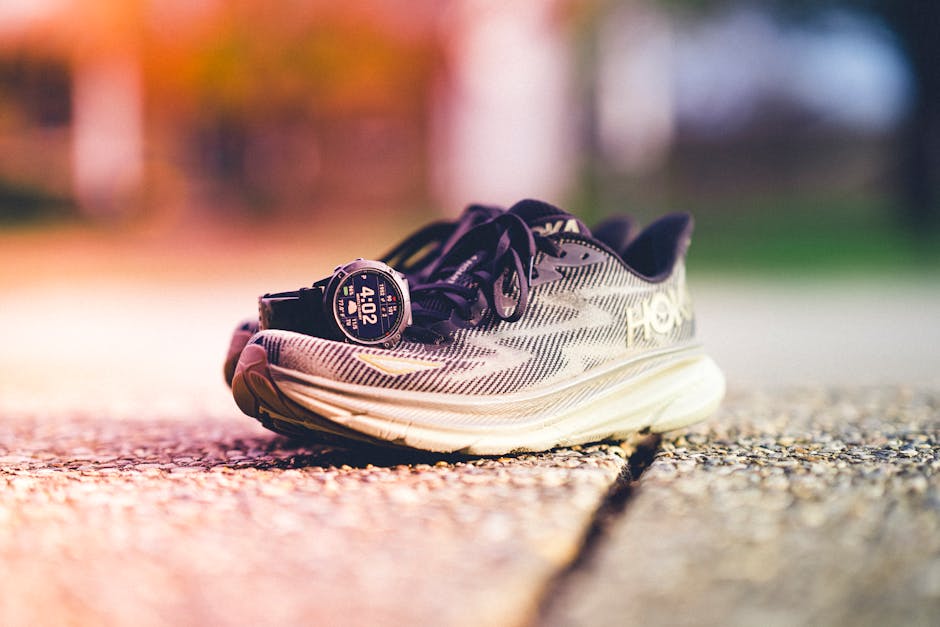
Based on everything I’ve learned, here are my current recommendations for truly versatile running shoes, the ones I’d trust for most of my miles. And crucially, what I’d pass on if versatility is your primary goal. These are the shoes that have consistently proven their worth across varied workouts and terrains for me.
| Shoe Model | Avg. Price (USD) | Best Use Cases | Why I Like It for Versatility | Why I Avoid Others |
|---|---|---|---|---|
| Hoka Clifton 9 | $145 | Daily runs, long runs, light trails, walking | Excellent cushioning for pavement, surprisingly decent grip for packed dirt. Comfortable upper. Good for most runners, offering comfort without being overly squishy. | Shoes like the Hoka Rocket X 2 are too specialized (race-only), too firm for daily use. Their extreme design sacrifices comfort and durability for speed. |
| Brooks Ghost 15 | $140 | Daily runs, moderate distances, mixed surfaces (road/gravel) | Reliable, consistent ride. Durable outsole. Balanced cushioning, not too soft or firm. A true workhorse that stands the test of time and miles. | The Brooks Hyperion Elite is a pure race shoe, zero versatility. Its aggressive geometry and minimal durability make it unsuitable for everyday training. |
| New Balance Fresh Foam X 880v13 | $140 | Daily training, uptempo efforts, light gym work | Responsive Fresh Foam X, good outsole grip, very durable. Feels a bit snappier than the Ghost, making it a great option for picking up the pace. | The New Balance FuelCell SuperComp Elite v3 is a fantastic race shoe, but its exposed foam outsole won’t last on varied terrain. It’s a one-trick pony. |
Picking the right midsole for mixed terrain
The midsole is the engine of a versatile shoe. You need something that provides enough protection and rebound on hard surfaces without feeling dead or overly squishy on softer ground. EVA-based foams are common and reliable. TPU-based foams, like those found in some Boost or PWRRUN+ shoes, offer great energy return and durability but can sometimes feel a bit firmer. I generally look for a blend or an engineered EVA that offers a good balance. For example, Hoka’s compression-molded EVA in the Clifton is a great compromise, offering both softness and responsiveness. You don’t want something so soft that you feel unstable on a slight incline or so firm that your legs take a beating on a 10-mile pavement run. The perfect versatile midsole strikes a delicate balance between cushioning, responsiveness, and stability across different surfaces.
The Untapped Potential of “Second-Tier” Brands
Everyone talks about Nike, Adidas, Hoka, Brooks, New Balance. And for good reason, they make excellent shoes. But I’ve found some incredible value and unexpected versatility by looking beyond the big five. Brands like Saucony (beyond the Kinvara), Altra (for zero-drop fans), Mizuno, and even some smaller European brands often put out fantastic products that don’t get the same marketing push. They often incorporate innovative tech or prioritize different aspects like foot health or specific biomechanics. Don’t let brand loyalty blind you to these alternatives. Sometimes, the best shoe for *your* versatile needs isn’t the one everyone else is wearing. I’ve owned a few Saucony Peregrine models over the years, and while they lean trail, they are surprisingly capable on roads for short stints, showing that “trail” shoes from certain brands can actually be quite adaptable if you pick carefully. These brands often offer exceptional performance at a slightly lower price point.
Spotting undervalued technologies
Many smaller brands use similar, if not identical, foam compounds and outsole rubber from the same suppliers as the big players. What they often lack is the huge R&D budget for proprietary carbon plates or ultra-light “superfoams” that drive up prices. Look for shoes that feature established, proven cushioning technologies like basic EVA or even simpler TPU blends. Sometimes, a well-executed conventional design outperforms a flashy, overly complicated one. Pay attention to reviews from independent running publications and forums, not just brand marketing. They often highlight hidden gems that offer superior value and functionality without the premium price tag. Don’t be swayed by marketing jargon; focus on the fundamentals of good shoe design.
When to try something new
If you’re constantly struggling with comfort, durability, or performance in your current rotation, it’s a clear sign to branch out. Visiting a local running specialty store, rather than just buying online, can be immensely helpful. These stores often carry a wider range of brands and the staff are usually knowledgeable, offering gait analysis and specific recommendations based on your biomechanics and running style. Don’t be afraid to try on shoes from brands you’ve never considered. You might discover your next versatile go-to shoe from an unexpected source, just as I did when I first tried a Saucony Kinvara years ago, thinking it was too ‘minimalist’ for me, only to find it was a surprisingly versatile option for faster daily runs. An open mind can lead to incredible discoveries and a much happier running experience.
So, after ten years and countless pairs of shoes, I’ve stopped chasing that elusive ‘do-it-all’ unicorn. I’ve learned that true versatility isn’t about one shoe doing absolutely everything perfectly; it’s about finding a shoe that handles 80% of your actual running life with comfort, reliability, and enough performance to make you smile. And by doing that, I’ve managed to avoid that 70% injury statistic for years now. My feet, and my wallet, are much happier for it.