Quality Heels That Last: The Brands Worth Every Dollar
The average heel loses structural integrity after roughly 200 miles of walking — about 3 to 6 months of regular urban wear for most women. That is not a design flaw. It is a deliberate choice by brands that profit from repeat purchases. Quality heel brands build shoes that can be resoled, re-heeled, and worn for a decade. They are the minority, and they are worth knowing by name.
What Actually Makes a Heel Quality
Walk past the display case and you will notice the uppers first — the leather, the suede, the finish. But the upper is the cheapest part of a heel to make look good. The construction that determines longevity happens where you cannot see it: the outsole, the last, and the way the heel connects to the shank.
The Outsole Test Nobody Does in the Store
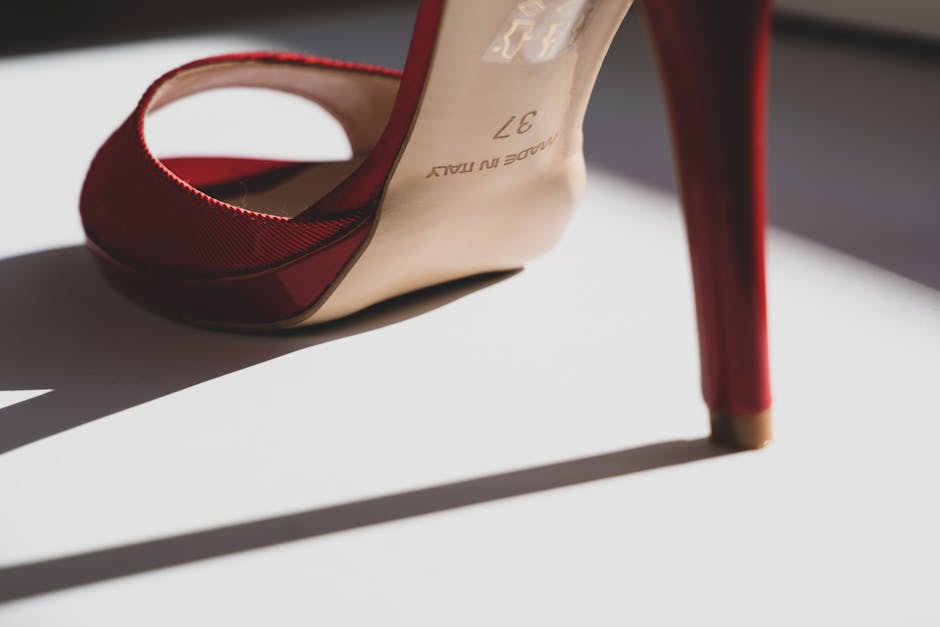
Flip the shoe over before you try it on. A quality heel has a leather outsole or a leather sole with a rubber toe cap — not a uniform slab of plastic or thin synthetic rubber. Leather outsoles breathe, flex naturally with your foot’s movement, and — critically — can be resoled when they wear through. A full-plastic outsole is a countdown timer. Once it goes, the shoe is finished.
Brands like Gianvito Rossi and Aquazzura use leather outsoles with a small rubber tip at the heel and toe. That tip protects the highest-wear zone while keeping the rest of the sole resoleable. It is a small detail with a massive impact on lifespan.
Rubber-only outsoles are not automatically a red flag. Cole Haan’s ZEROGRAND heels use a rubber outsole paired with a Nike Air-derived cushioning system, which makes sense for a brand positioning itself around daily wearability. But a thin rubber outsole on a fashion heel with no cushioning underneath? That is a cost-cutting decision dressed up as a design choice.
Insole Construction and Last Design
The last is the foot-shaped mold a shoe is built on. Cheap brands use generic lasts across an entire factory’s catalog — one last for all sizes, all heel heights, all styles. Quality brands develop proprietary lasts specific to each heel height, because the pitch of the foot changes with every centimeter of heel rise.
Sarah Flint, which retails between $295 and $495, built its brand identity around last development. Each of their heel heights has its own last, which shifts how the forefoot sits and reduces the pressure that causes the burning sensation most people associate with wearing heels for more than two hours. That is why their Perfect Pump in 2.75 inches is genuinely wearable for a full workday — it is not marketing copy, it is last engineering.
For insoles, look for leather-lined cushioning of at least 3 to 4mm. That is not a lot — roughly the thickness of two credit cards stacked — but it measurably changes how a shoe feels at hour six. Most heels under $100 use cardboard-thin synthetic insoles. You can feel the difference with your thumb.
Upper Materials — Full-Grain vs. Bonded Leather
Full-grain leather is the outermost layer of the hide. It has the tightest grain, making it the most durable and breathable cut available. It patinas with wear rather than cracking — a pair of Stuart Weitzman full-grain pumps will look better at five years than they did at six months, once the leather has broken in to your foot.
Bonded leather — which appears in many $50 to $80 heels and is sometimes marketed as vegan leather by budget brands — is made from shredded leather scraps compressed and glued together with polyurethane. It looks fine initially. It peels at the toe box and seams within 12 to 18 months without fail. There is no such thing as a durable bonded leather heel.
Suede is a legitimate quality material when properly sourced. Stuart Weitzman’s suede heels regularly last five years or more with basic care — waterproofing spray applied twice yearly does the job. The vulnerability is water. Suede stains easily and needs more maintenance than smooth leather. In wet climates, full-grain leather is the safer long-term investment.
The Best Quality Heel Brands by Price Tier
These are the brands that actually build heels to last, ranked by price with specific notes on construction and best-use cases.
| Brand | Price Range | Best For | Outsole Type | Resoleable? |
|---|---|---|---|---|
| Manolo Blahnik | $700–$1,400 | Special occasions, narrow feet | Leather | Yes |
| Gianvito Rossi | $600–$1,100 | Sleek luxury, wider toe box | Leather + rubber tip | Yes |
| Aquazzura | $550–$950 | Statement heels, events | Leather + rubber tip | Yes |
| Stuart Weitzman | $250–$500 | Office wear, everyday luxury | Leather/rubber hybrid | Sometimes |
| Sarah Flint | $295–$495 | Comfort-driven workwear heels | Leather + rubber tip | Yes |
| Cole Haan | $130–$250 | Daily commuting, all-day wear | Rubber (cushioned system) | No |
| Sam Edelman | $80–$130 | Seasonal trend pieces | Synthetic | No |
For the best value at the mid-luxury tier, Sarah Flint wins clearly. The Perfect Pump at $395 uses leather construction, a resoleable sole, and a last designed specifically for all-day wear. It is the heel most often described as Manolo comfort at a third of the price — and that comparison holds up in construction details, not just in marketing copy.
At the true luxury tier, Gianvito Rossi is more practical than Manolo Blahnik for most buyers. The Rossi 105 Pumps ($795) are built on a more modern last with a slightly wider toe box — Manolo’s famously narrow fit excludes a significant portion of buyers entirely, which matters when you are spending over $1,000.
Five Mistakes That Cost You More Than a New Pair
- Buying a half size up for comfort. A heel that is too large causes the foot to slide forward on every step, forcing the toes into the front of the shoe. Fit heels true to size. Take a half-size up only if you have a genuinely wide foot, not as a comfort shortcut.
- Equating price with construction quality. Christian Louboutin heels ($700–$1,200) use thinner outsoles than Gianvito Rossi at a comparable price point. The red sole is marketing. The construction is not always industry-leading. Research the specific shoe, not just the brand name.
- Skipping the break-in period. Leather heels need 3 to 5 wears to conform to your foot. Wearing new full-grain pumps for a full workday on day one causes blisters and frequently leads to returns — at which point the buyer concludes the shoe does not fit, when the shoe just has not adjusted yet.
- Ignoring the heel tip until it is too late. The small plastic cap at the base of a stiletto wears through in 20 to 40 wears. Replacing it costs $10 to $15 at any cobbler. Ignoring it means the metal heel post contacts the ground directly, eventually cracking the heel core — a repair that runs $80 to $120, or simply destroys the shoe outright.
- Buying trendy silhouettes from investment-grade brands. A $900 sculptural platform from a luxury label will look dated within 18 months and hold almost no resale value. A $300 clean pump from Stuart Weitzman, worn for six years, costs less per wear than the trendy option worn six times.
When Comfort Brands Beat the Luxury Names
For anyone wearing heels four or more days per week, Vionic and Naturalizer outperform most luxury brands on the metric that actually matters after 5 PM: foot pain. Vionic’s Zara Heeled Sandal ($120) has a built-in podiatrist-designed orthotic footbed that no $800 Italian pump comes close to matching for sustained daily wear. If comfort is your primary criterion — not status, not resale value — do not let brand prestige override what your feet are telling you.
Mid-Range Brands Under $350 That Do Not Compromise
The $200 to $350 range has improved significantly over the past decade, driven largely by direct-to-consumer brands cutting out traditional retail markup. Several brands in this tier now offer genuine leather construction with thoughtful last design — the kind of quality previously reserved for the $500-plus range. Three brands define this space right now.
Is M.Gemi worth the price?
M.Gemi manufactures in Italian small-batch factories — the same production facilities that produce for established luxury brands — and sells direct to consumer at $200 to $395. The Lustro Pump ($248) is full-grain leather with a leather outsole and is resoleable at a cobbler. It competes directly with $500 to $600 department store heels on construction and regularly wins that comparison. The main limitation is style range: M.Gemi skews classic. If you need something fashion-forward or trend-driven, they are not the answer.
What makes Margaux different from other direct-to-consumer brands?
Margaux’s differentiator is sizing precision. They offer half sizes, whole sizes, and seven width options — from AA narrow to EEE wide — across their full range. The Classic Pump starts at $285. For women who have historically struggled with standard heel sizing — too narrow in the heel, too wide in the toe box, or wrong in the vamp depth — Margaux’s fit accuracy often makes the difference between a heel that gets worn regularly and one that sits unused after two disappointing outings. Their fitting quiz is genuinely useful, not a gimmick.
Is Sam Edelman actually worth buying?
For trend pieces you expect to wear 10 to 15 times, yes. The Yaro Strappy Sandal ($110) and Hazel Mule ($90) use synthetic materials that are not built for the long haul — and they do not need to be. Sam Edelman consistently nails current silhouettes at prices that make seasonal replacement reasonable. Buy Sam Edelman for trends. Buy Sarah Flint or M.Gemi for the classics you plan to wear for years.
How to Assess Heel Quality Before You Buy
These checks work whether you are in a store or reading detailed product descriptions and customer reviews online. Run through the list before committing to any heel over $150.
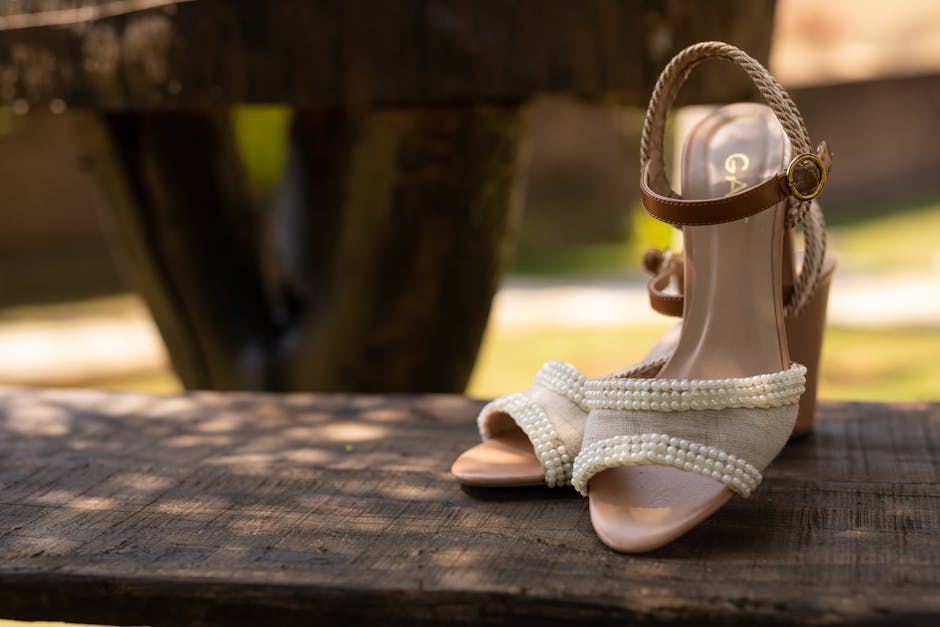
- Flex the sole. A leather sole has slight natural flex. A fully rigid sole that does not move at all indicates synthetic material with no resoleable value.
- Check the shoe lining. Leather lining inside the shoe signals quality construction and breathability. Synthetic lining creates friction and moisture buildup — you will feel it as blister risk along the inner heel and ball of the foot.
- Press the insole. There should be 3 to 4mm of cushioning under the leather surface near the ball of the foot. Press with your thumb — you should feel give. No give means a cardboard-thin insole that will feel like standing on concrete by midday.
- Examine heel attachment. On stilettos, look for a metal post embedded in the heel, visible on the outsole as a metal ring or dot around the tip. Heels built solely on wood or solid plastic cores crack under repeated stress on hard pavement within a season.
- Check the seams. Seams at the toe box and heel counter should be tight, even, and slightly recessed into the material. Raised or uneven seams indicate rushed assembly and will fail at those stress points first — usually within the first 30 wears.
- Country of manufacture as a rough signal. Italy, Spain, and Portugal indicate higher manufacturing standards as a general heuristic. Brazil and Mexico produce solid quality at mid-range price points. For heels labeled Made in China, verify construction details more carefully — quality ranges enormously across factories.
One in-store test worth doing: press firmly on the heel cap at the base of a stiletto. On a well-constructed shoe, it is completely solid with no movement. On a cheaper build, you will feel slight wobble — the tip is loosely attached and will separate within the first season. It takes three seconds and can save you from a $200 disappointment.