Fashion
Festival Outfits for Teen Girls: What Actually Works

Festival Outfits for Teen Girls: What Actually Works

Picture this: you spent three weeks planning the perfect festival look, it photographed beautifully in your bedroom, and by hour three you’re carrying your boots, your sequined top is itching in the heat, and your white linen shorts have a grass stain the size of a dinner plate.

Festival outfit planning fails the same way almost every time. The decision gets made for a photo, not for a day. This guide makes the opposite trade-off.

Why Festival Outfits Fail Before Noon

The gap between festival inspiration and festival reality is almost entirely a comfort-versus-aesthetics problem — and the specific failure point is almost never the top or the accessories. It’s the shoes and the absence of a layering plan.

The Footwear Calculation Nobody Does

A standard single-day festival involves 8 to 12 kilometers of walking on uneven ground — gravel paths, grass fields, and mud when rain hits. Platform boots and heeled sandals survive about 90 minutes before they stop being cute and start being the main character of your day.

Dr. Martens 1460 Boots ($180) are the most-referenced festival footwear choice, and they’re actually a solid option — the leather sole handles varied terrain well and the boot provides real ankle support after 10,000 steps. The critical detail: they must be broken in first. A fresh pair worn at a festival for the first time will cause blisters by set two. Six to eight weeks of regular wear beforehand eliminates this problem entirely.

Birkenstock Arizona Sandals ($110–140) are arguably more practical for warm, dry festivals. They mold to your foot, don’t create friction points, and wet grass doesn’t ruin them. The trade-off is minimal ankle support, which matters if you’re dancing on uneven ground all afternoon.

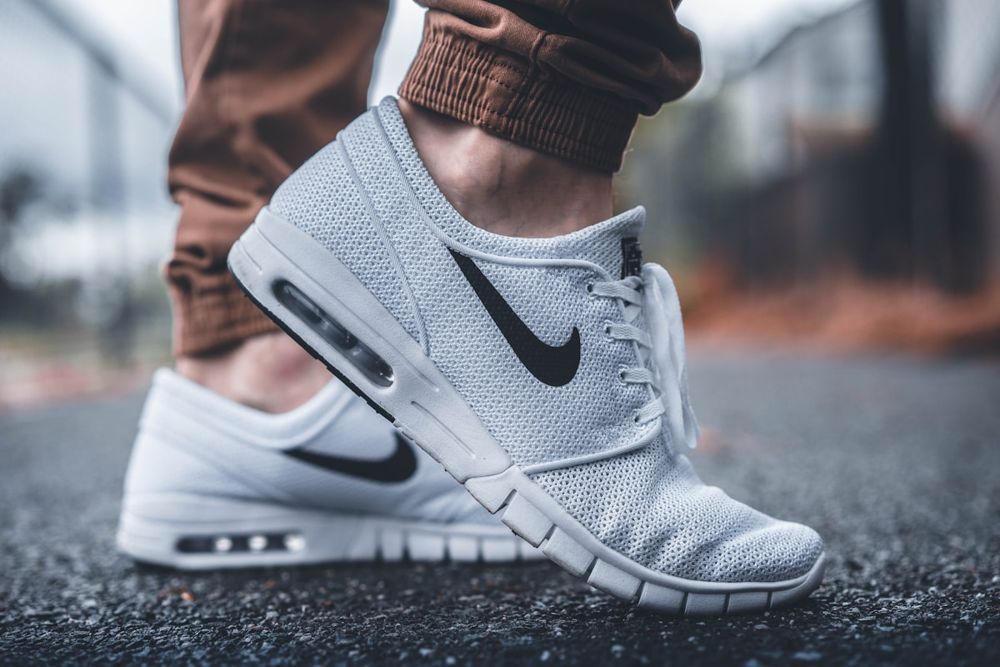
The underrated option: a broken-in pair of New Balance 574s, Nike Air Force 1s, or any chunky sneaker you already own. They won’t photograph as distinctively as Docs. They will let you enjoy the festival instead of manage it.

Weather Planning Is Not Optional

UK festivals — Reading, Leeds, Glastonbury — record rain on at least one day in most years. US summer festivals like Lollapalooza see temperature swings of 20-plus degrees Fahrenheit between afternoon and evening sets. Planning an outfit without accounting for temperature change is optimistic, not stylish.

A denim jacket or oversized flannel shirt adds almost nothing to a look when it’s warm and saves the entire evening when the temperature drops. A small crossbody bag with room for a folded rain poncho handles the rain scenario. Both require about two seconds of planning and prevent the specific misery of being cold and wet at a headliner with no way out.

Crochet tops, mesh overlays, and sheer fabrics are fine as statement pieces in warm, dry conditions. Worn alone in variable conditions, they become the reason you spend $40 on a hoodie from the festival merch stand at 8pm.

Festival Outfit Breakdown by Event Type

Stylish young woman posing confidently among bamboo trees in an urban outdoor setting.

The right approach depends heavily on the specific festival. What works for a single-day outdoor summer event is poorly suited to a multi-day camping festival, and indoor events have a completely different set of constraints.

Festival Type Top Layer Bottom Footwear Key Add-On Avoid
Single-Day Outdoor (Summer) Crop top, bralette, crochet overlay Denim shorts, linen wide-leg pants Flat sandals, chunky sneakers Crossbody bag, wide-brim hat Platforms, white fabric, synthetics
Multi-Day Camping Fitted tank plus denim or wax jacket Cargo pants, denim cutoffs over leggings Sturdy leather boots (broken in), wellies Waterproof layer, extra socks Anything delicate, dry-clean only, platforms
Indoor Day Rave or Club Night Bodysuit, co-ord set, going-out top Mini skirt, wide-leg trousers Block-heel boots, chunky loafers Small bag, minimal accessories Excess jewelry (dancing hazard), restrictive fits
Desert or Hot Climate Tube top, bralette, light cotton crop Denim cutoffs, flowy midi skirt Flat sandals, canvas sneakers Wide-brim hat, hydration pack strap Synthetic fabrics, glitter on skin in direct sun

The variable the table encodes most clearly: fabric breathability affects comfort more than any single styling decision. Linen, cotton, and genuine denim breathe. Polyester-based fabrics — which make up the majority of fast fashion festival sets — trap heat and moisture. On a warm day, that gap in comfort is the difference between a good time and a miserable one.

Multi-day camping festivals require the most significant shift in priority order: durability first, layering ability second, comfort third, aesthetics last. Every item you wear will face mud, temperature swings, and multiple wears without laundering. This is not the scenario for your nicest pieces.

Building a Complete Festival Look for Under $120

A full festival outfit does not require a large budget. Here’s what a realistic, stylish, practical look costs with specific current items:

  1. Top ($12–48): Free People Movement Bralette or crochet crop at the higher end ($38–48) — durable, well-constructed, and wearable beyond festival season. ASOS Design bralette or crop top at the budget end ($12–20) holds up for one or two festivals before losing shape. Free People is the better long-term buy; ASOS is fine for a one-time event.
  2. Outer Layer ($0–35): A vintage denim jacket from Depop or Poshmark runs $10–25 and has more character than anything new at the same price. H&M and Zara carry oversized denim jackets for $35–55 new. Secondhand is the better value here, and more interesting visually.
  3. Bottoms ($18–65): H&M Conscious Collection linen shorts ($18–25) are breathable, washable, and comfortable for long days — genuinely good. ASOS Design festival shorts in a similar cut run $30–40. For a more structured option, Dickies 80s Carpenter Pants ($50–65) work the utility-meets-style angle that has been consistent in festival dressing for three straight years.
  4. Footwear ($35–180): This is where the budget splits most dramatically. If you already own broken-in Docs, Birkenstocks, or a reliable sneaker, this line costs nothing. If you’re buying specifically for the festival, budget $80–100 for a quality sneaker or $110–140 for Birkenstocks. Do not buy new footwear within two weeks of the event.
  5. Bag ($15–30): A small crossbody from ASOS, Urban Outfitters, or Primark that fits your phone, a payment card, and a folded poncho. Anything smaller than your phone is decorative, not functional. A long adjustable shoulder strap that sits at hip height is more comfortable for all-day wear than a short-handled bag.
  6. Hat ($8–54): Stüssy’s bucket hat ($54) is the recognizable branded version. An Amazon canvas bucket hat ($8–12) provides identical UV protection and reads the same in photos from more than two meters away. Urban Outfitters carries midpoint straw and canvas options at $18–28 that hold up through a full festival season.

Total with existing footwear: approximately $53–130. Total with new footwear: $140–260. The footwear decision drives almost everything about the final number.

On Shein: prices are dramatically lower ($5–15 per piece), and some co-ord sets photograph exactly like more expensive versions. Material quality is inconsistent, sizing runs small without clear warning, and delivery timing close to a festival date is genuinely risky. For a simple accessory or basic layer, workable. For footwear or a bag that needs to hold up for ten hours, the quality risk is real.

The Mistake That Ends the Day Early

A joyful young woman with colored powder on her face enjoying an outdoor celebration of Holi.

Buying an entirely new outfit, wearing nothing beforehand, and showing up in unworn shoes and unwashed fabric is the single most reliable way to have a bad time — wear every item, especially footwear, for at least four continuous hours before the festival date.

Run the full look at home for an afternoon. Walk around the block. This one step removes the majority of festival outfit problems before they happen.

Styling for Specific Festival Conditions

Teen girl enjoying her birthday in a park with flowers and balloons.

What do you wear if rain is likely?

Build the outfit around rain from the start rather than adding a poncho over a look that wasn’t designed for wet conditions. A base of denim cutoffs or cargo pants over a swimsuit bottom, with a fitted cotton tank on top, gives you a foundation that doesn’t suffer when wet. Hunter Original Tall Rain Boots ($175) are the classic choice and hold up across years of use. ASOS’s own-brand wellies at $35–45 offer comparable waterproofing for a single festival season. Joules Women’s Field Wellies ($65–90) split the difference on price and durability.

The rain poncho stays in your bag for actual downpours, not drizzle. H&M and Primark both carry lightweight wind- and water-resistant jackets for $20–30 that pack flat enough to fit in a crossbody bag. These are more practical than a branded rain jacket you’ll wear twice.

What actually works for an all-day outdoor summer festival?

Natural fiber, loose fit, light color. Cotton, linen, or a cotton-linen blend — all breathable. Loose fits allow air circulation in ways that tight cuts don’t. Light colors absorb less solar radiation than dark ones; this is a measurable physical difference, not an aesthetic preference.

The most underrated summer festival item is a wide-brim hat. It reduces heat load, cuts UV exposure, and photographs better than most hairstyles when the sun is overhead. Urban Outfitters’ straw styles run $18–28 and hold through a full season.

Skip body glitter for all-day outdoor events. It migrates to your eyes in heat, becomes uncomfortable by early afternoon, and is no longer decorative by hour four — it’s just there. Body gems, metallic temporary tattoos, and face jewel stickers stay in place better and are significantly easier to remove .

What if the festival has a theme or dress code?

Most festivals attended by teen audiences — Coachella-adjacent events, Y2K nights, Pride celebrations — operate with soft themes rather than enforced dress codes. You’re styling to a mood, not complying with a rule.

For Y2K-themed events: low-rise denim, baby tees, butterfly clips, and platform sneakers hit the aesthetic clearly without requiring actual vintage. Nike Air Max 2090s and Fila Disruptors both read as Y2K footwear and are easier to find in standard sizing than genuine late-90s originals. ASOS Marketplace and Depop have strong late-90s sections with individual pieces under $30.

For Coachella-adjacent looks: a bralette or crop top, high-waisted shorts or wide-leg pants, and one statement layer define the aesthetic. Free People and Spell and The Gypsy Collective are the reference brands here. ASOS Design co-ord sets at $40–55 deliver most of the visual at roughly a third of the price.

For Pride or color-themed events: commit to one strong accent color over a neutral base rather than attempting the full spectrum. A white or cream outfit with one bold color element — a bag, a hair accessory, one piece of statement jewelry — photographs more clearly and coordinates far more easily than a multi-color look.

The rule that holds across all festival styling: own one element of the look fully. One item that’s bold, specific, and memorable — a vintage jacket, an unusual hat, a single standout piece. Everything else can be simple basics. The standout piece is what people remember; the basics just need to not fail you by hour five.