Best Sweater Blazer 2024: Technical Performance and Fabric Analysis for Knit Tailoring
The hybrid garment known as the sweater blazer—sometimes colloquially referred to as the ‘swazer’—occupies a unique niche in the modern wardrobe. It attempts to bridge the gap between the formal rigidity of a traditional wool blazer and the unstructured comfort of a cardigan. Achieving this balance is a significant engineering feat in textile design. If the knit is too loose, the garment loses its professional silhouette and sags at the shoulders. If the knit is too dense, it becomes heavy, bulky, and loses the breathability that makes knitwear desirable. This analysis examines the technical specifications, material compositions, and construction methods that define the highest-performing options currently available on the market.
Technical Construction of the Modern Sweater Blazer
To understand what makes a sweater blazer successful, one must look at the gauge and the stitch. Most high-street blazers utilize a jersey stitch, which is prone to curling at the edges and offers little structural integrity. The best sweater blazer models, however, typically employ an interlock knit or a Milano stitch. An interlock knit is essentially a double-knit fabric that looks the same on both sides. It provides a much higher degree of stability and prevents the ‘bagging’ at the elbows that plagues cheaper alternatives. When you are shopping, feel the weight of the fabric; a high-quality sweater blazer should feel substantial, almost like a soft upholstery fabric, rather than a standard sweater.
The Role of Boiled Wool in Structure
Boiled wool represents the pinnacle of sweater blazer construction for those seeking a more formal aesthetic. The process involves agitating knitted wool in hot water, which shrinks the fibers and creates a felted, dense material. This density allows the manufacturer to cut the fabric with raw edges that do not fray, mimicking the sharp lines of a tailored jacket. Boiled wool provides natural water resistance and excellent wind-blocking properties, making it an ideal choice for transitional outerwear. However, the trade-off is a lack of stretch. While a cotton-blend knit will move with your body, a boiled wool blazer requires precise tailoring because the fabric has very little ‘give’ once it has been felted.
Beyond the fabric itself, look at the shoulder construction. A sweater blazer rarely has internal padding, so the seam must be reinforced with stay-tape to prevent the weight of the sleeves from pulling the shoulder line down toward the bicep. Without this reinforcement, even the most expensive merino wool will eventually lose its shape. High-end brands often use a ‘fully fashioned’ technique, where the pieces are knitted to the exact shape of the garment rather than being cut from a larger sheet of fabric. This reduces waste and ensures the tension of the knit is consistent across every seam, leading to a garment that hangs better on the frame.
Material Science: Evaluating Merino vs. Cotton Blends

The choice of fiber dictates the thermal performance and longevity of the garment. Merino wool is often cited as the gold standard for sweater blazers due to its high warmth-to-weight ratio and natural antimicrobial properties. It can absorb up to 30% of its weight in moisture without feeling damp, which is essential for someone moving between a cold outdoor environment and a heated office. However, merino is also delicate. It is susceptible to pilling in high-friction areas like the underarms and where a bag strap might rub against the chest. For those who prioritize durability, a cotton-polyester or cotton-nylon blend might actually be the superior choice.
| Fabric Type | Breathability | Durability | Structure Retention | Typical Price |
|---|---|---|---|---|
| 100% Merino Wool | Excellent | Moderate | High | $120 – $200 |
| Cotton-Nylon Blend | Moderate | High | Very High | $80 – $150 |
| Boiled Wool | Low | High | Excellent | $150 – $300 |
| Acrylic Blends | Low | Low | Low | $30 – $60 |
Cotton blends provide a crispness that wool often lacks. Because cotton fibers are smoother and less elastic than wool, they hold a pressed crease better, which is useful for maintaining the definition of the lapels. The inclusion of synthetic fibers like nylon or elastane is not necessarily a sign of low quality; rather, these fibers act as a ‘skeleton’ for the cotton, providing recovery so the blazer doesn’t become misshapen after a long day of wear. If you opt for a blend, aim for at least 60% natural fibers to ensure the garment doesn’t develop the ‘shiny’ look associated with high-polyester content.
A common mistake is assuming that a heavier blazer is always better. In reality, the density of the knit—the tightness of the loops—matters more than the thickness of the yarn. A tight knit in a medium-weight yarn will hold its shape far longer than a chunky, loose knit.
Performance Analysis of Leading Retailer Models
Several established brands have mastered the sweater blazer, each targeting a different balance of comfort and formality. When evaluating these, we looked at the weight of the knit, the quality of the finishing, and how the garment responds to repeated wear. The market is currently dominated by a few key players that consistently deliver reliable results for professional wardrobes.
Boden Marylebone Blazer
The Boden Marylebone is a staple for those who prefer a British aesthetic. It typically utilizes a blend of wool and cotton, providing a substantial weight that feels more like a jacket than a cardigan. The fit is generally tailored, with a defined waist and structured lapels. At an approximate price point of $130 to $150, it represents a mid-range investment. The primary benefit is the color retention; Boden’s dyes are notoriously vibrant and resistant to fading. However, a notable drawback is the sizing consistency, which can run slightly small in the shoulders, potentially requiring some users to size up to maintain comfort.
Marks & Spencer Knit Blazers
Marks & Spencer offers one of the best value-to-performance ratios in the knitwear market. Their sweater blazers often feature a ‘soft touch’ finish and are frequently machine washable—a rarity in this category. Priced between $60 and $90, they are accessible. The construction usually leans toward a lighter-weight knit, making them excellent for layering under a heavier overcoat. The downside is that because they use more synthetic blends to keep costs down, they are more prone to pilling over time compared to high-end wool versions. For a seasonal piece that won’t see daily heavy use, these are an excellent entry point.
J.Crew Eloise and Sophie Models
J.Crew has essentially built a cult following around their sweater blazers. The Sophie is a lighter, open-front version, while the Eloise offers a more traditional blazer silhouette with buttons. They often use a cotton-polyester-wool tri-blend. This specific blend is engineered for maximum structure. The Eloise, in particular, is heavy enough to replace a light jacket in the autumn. Pros include the deep pockets and the fact that the fabric is thick enough to hide any lumps or bumps from layers underneath. The con is the weight; it can feel cumbersome if you are wearing it for 10+ hours in an office environment.
Strategic Styling for Professional and Casual Contexts
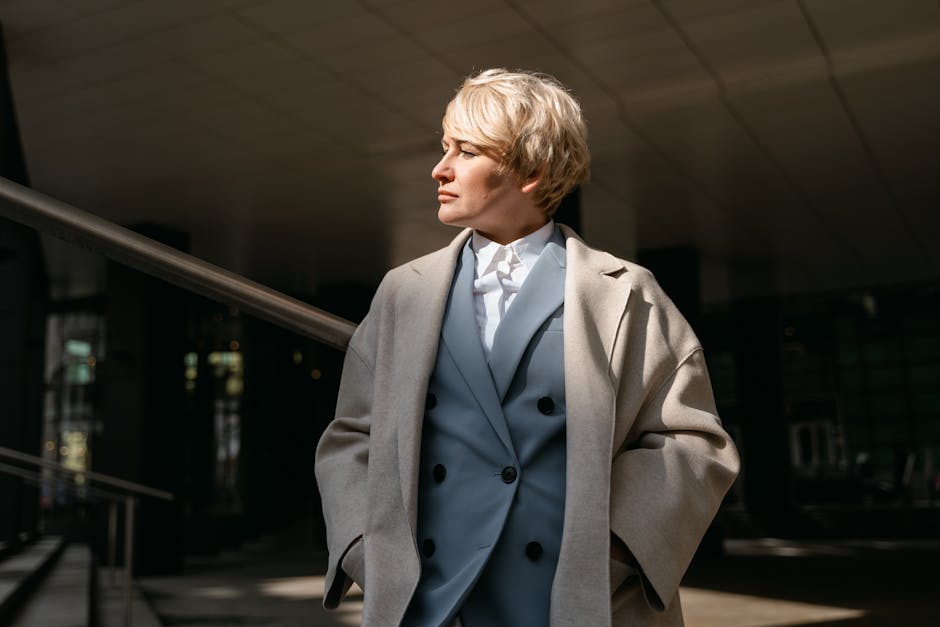
The versatility of the sweater blazer is its primary selling point, but it requires a strategic approach to layering to avoid looking unkempt. The most common error is pairing a sweater blazer with a shirt that has too much volume. Because the blazer is knit, it will show the texture and folds of the garment beneath it. A slim-fit poplin shirt or a fine-gauge turtleneck is the ideal base layer. This creates a smooth silhouette and allows the blazer to drape naturally over the torso without being interrupted by bunching fabric.
For a professional setting, contrast is your friend. Pairing a navy sweater blazer with charcoal wool trousers creates a look that is visually similar to a suit but significantly more comfortable. The key is to ensure the textures are distinct. If your trousers are also a heavy knit, the outfit becomes too ‘soft’ and loses its professional edge. Instead, pair the soft texture of the knit blazer with the crisp, smooth texture of worsted wool or high-quality chinos. This juxtaposition signals that the choice of a knit blazer was intentional rather than a compromise on formality.
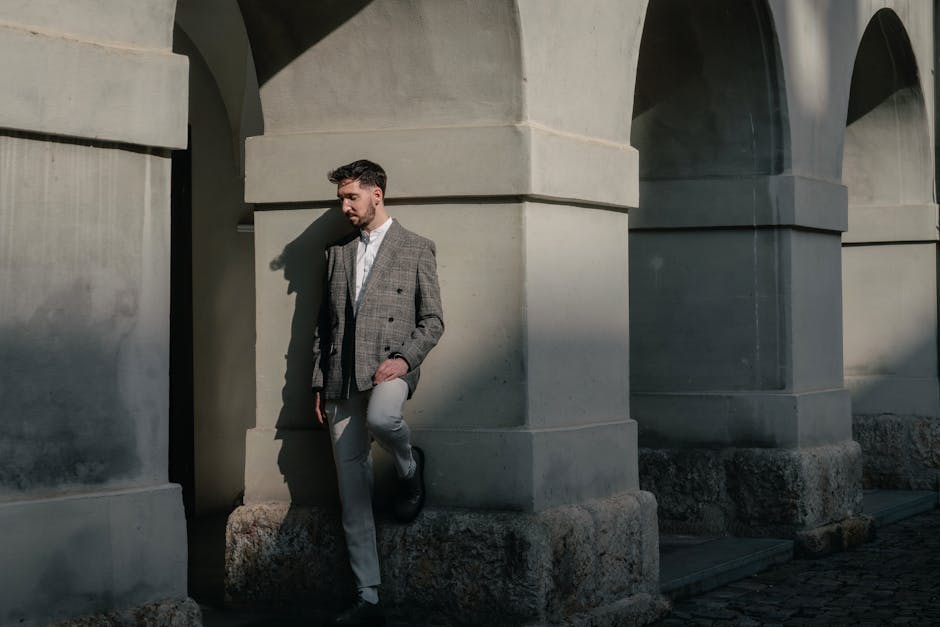
In casual contexts, the sweater blazer functions as an elevated alternative to a denim jacket or a hoodie. It works exceptionally well over a high-quality white t-shirt and dark indigo denim. To keep the look from becoming too ‘academic,’ pay attention to the footwear. A clean leather sneaker or a Chelsea boot provides a modern anchor for the softness of the blazer. Avoid wearing it with athletic sneakers, as the clash between the tailored lines of the lapel and the technical nature of gym shoes often feels disjointed. The goal is to appear relaxed but put-together—a concept often referred to as ‘casual Friday’ logic applied to the entire week.
Longevity and Maintenance: Managing Pilling and Structural Integrity
Even the best sweater blazer will eventually show signs of wear, but proactive maintenance can double the lifespan of the garment. Pilling is the most frequent complaint. It occurs when short fibers break and tangle into small balls on the surface of the fabric. This is not necessarily a sign of poor quality; even high-grade cashmere pills. To manage this, invest in a dedicated fabric shaver or a sweater stone. Avoid using a standard disposable razor, as the sharp blades can easily nick the knit loops and create a hole that is nearly impossible to repair invisibly.
Cleaning Protocols for Knit Tailoring
- Spot Clean First: Because these garments are often worn as a third layer, they don’t require frequent washing. Use a damp cloth to remove small stains immediately.
- Hand Wash or Delicate Cycle: If the care label allows, use a mesh laundry bag to prevent the blazer from stretching in the machine. Use a pH-neutral detergent specifically designed for wool or silk.
- Dry Flat: Never hang a wet sweater blazer. The weight of the water will permanently pull the shoulders out of shape. Lay it on a clean towel and reshape it while it is damp.
- Depill Regularly: Use a fabric shaver every 3-4 wears in high-friction areas to keep the surface looking crisp and professional.
Storage is equally critical. You should never store a sweater blazer on a wire hanger. Over time, the weight of the garment will create ‘hanger bumps’ in the shoulders that are difficult to steam out. Instead, use a wide, padded hanger or, better yet, fold the blazer and store it flat in a drawer. If you must hang it, use the ‘fold-over’ method where the blazer is draped over the horizontal bar of a trouser hanger. This distributes the weight evenly and prevents gravity from distorting the knit. By treating the garment with the same respect as a structured suit jacket, you ensure that the knit remains dense and the silhouette remains sharp for years to come.
Ultimately, the best sweater blazer is one that matches your specific climate and activity level. If you are frequently outdoors, the density of boiled wool is unbeatable. If you spend your days in a climate-controlled office, a merino or cotton-nylon blend provides the necessary breathability without sacrificing the professional look of a lapelled jacket. Regardless of the material, focus on the integrity of the knit and the reinforcement of the seams, as these technical details are what separate a true blazer from a simple cardigan with buttons.