The assumption that cashmere is always warmer than merino wool is one of the most expensive misunderstandings in menswear. It leads to overpaying for the wrong garment and, worse, being uncomfortable when the temperature drops.
This isn’t a debate about which fiber is “better.” It’s a breakdown of thermal physics, durability expectations, and the specific conditions where one fabric fails and the other thrives.
The Micron Mistake: Why Thinner Isn’t Always Warmer
Most buyers fixate on fiber type and ignore the only number that matters for warmth: microns.
Cashmere fibers average 14-19 microns in diameter. Fine merino wool sits between 17-22 microns. Standard wool is 25-40 microns. The logic seems simple—thinner fibers feel softer, and softer equals more luxurious, so luxury must equal warmth. This chain of reasoning breaks at the first cold front.
Warmth in a textile comes from trapped air, not the fiber itself. A fabric’s insulating ability—its clo value—depends on how much still air it holds between fibers and how effectively it blocks convective heat loss from your skin. A sweater knitted from ultra-fine 14-micron cashmere in a tight, dense gauge can absolutely be warm. So can a chunky 21-micron merino knit. But a loosely spun, open-weave cashmere sweater? You’ll freeze.
John Smedley, a British knitwear manufacturer operating since 1784, produces both merino and cashmere knits. Their Sea Island cotton and extra-fine merino pieces often use a 30-gauge knit—exceptionally tight, smooth, and wind-resistant. Their lightweight cashmere pieces sometimes use a looser 12-gauge construction. The merino garment, despite being the “less luxurious” fiber, blocks more wind and retains more heat. The cashmere garment breathes beautifully but fails as insulation on a breezy day.
The mistake: assuming fiber content predicts thermal performance. It doesn’t. Knit density, yarn twist, and ply count matter more.
The CLO Breakdown Nobody Discusses
CLO is the standard unit for measuring thermal insulation in clothing. One CLO equals the insulation required to keep a resting person comfortable at 21°C (70°F) with normal air movement.
- A typical lightweight cotton t-shirt measures about 0.5 CLO.
- A standard merino wool base layer like the Icebreaker 200 Oasis weighs in around 0.8-1.0 CLO depending on thickness.
- A medium-weight cashmere sweater from Loro Piana or N.Peal can reach 1.2-1.5 CLO.
- But a thin, fashion-weight cashmere cardigan from Uniqlo? Closer to 0.6 CLO. Colder than a thick merino base layer.
Expensive fiber, low CLO. That’s the trap.
When Cashmere Fails: The Humidity Problem
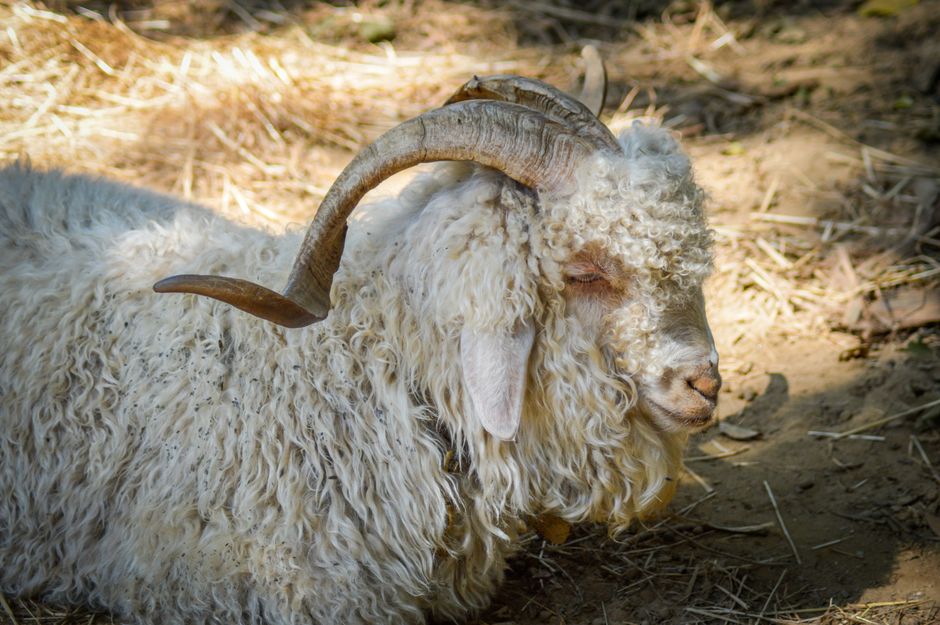
Cashmere absorbs moisture differently than merino, and this single fact makes it the wrong choice for damp fall climates like the Pacific Northwest, the UK, or New England coastal towns.
Merino wool can absorb roughly 35% of its weight in water before feeling wet to the touch. The fiber’s exterior is hydrophobic (water-repelling), while its interior is hydrophilic (water-attracting). This structure wicks vapor away from your skin, releases it into the air, and generates a small amount of heat during the process—the heat of sorption. You stay dry and slightly warmer as moisture moves through the fabric.
Cashmere absorbs moisture more slowly and releases it more slowly. In high humidity, cashmere fibers swell, the air pockets between them collapse, and the garment’s CLO value drops sharply. A cashmere sweater that feels perfectly warm at 40% relative humidity can feel clammy and cold at 70% humidity, even at the same temperature.
This is why a fisherman in Scotland wears a thick merino or Shetland wool sweater—not cashmere. The North Atlantic mist would render cashmere useless within an hour.
Verdict: If you live somewhere with damp autumns, merino is the safer choice. Cashmere belongs in cold, dry climates or layered under a windproof shell.
Durability Is Measured in Rubs, Not Years
Durability claims about cashmere and merino are usually anecdotal. “My grandfather’s cashmere lasted 20 years.” Okay—but what was the ply count? How often did he wear it? Was it dry-cleaned or hand-washed?
The textile industry uses the Martindale rub test to measure abrasion resistance. A fabric sample is rubbed against an abrasive surface in a controlled pattern. The number of rubs before visible wear appears is the Martindale score.
| Fabric | Typical Martindale Score (Rubs) | Expected Wear Life (Light Use) | Common Failure Mode |
|---|---|---|---|
| Lightweight cashmere (1-ply, loose knit) | 5,000-10,000 | 1-2 seasons | Pilling, hole formation at elbows |
| Mid-weight cashmere (2-ply, 12-gauge) | 15,000-25,000 | 3-5 years | Thinning at cuffs and collar |
| Fine merino (18.5 micron, 2-ply) | 20,000-30,000 | 5-8 years | Shine on high-friction areas |
| Heavy merino (21 micron, 3-ply, worsted) | 35,000-50,000+ | 10+ years | Moth damage (not wear) |
A 2-ply merino sweater from brands like William Lockie or Johnstons of Elgin routinely outlasts a 1-ply cashmere sweater from a mid-tier fashion brand by a factor of three or more. The merino garment costs less upfront and less per wear.
The durability conversation always misses this point: cashmere is not inherently fragile. Bad cashmere is fragile. Short-staple fibers, low twist yarns, and single-ply construction create a garment designed to fail. Good cashmere—Scottish or Italian, 2-ply, with staple lengths above 35mm—wears hard and lasts. But that product costs $400+, not $89.
What the Pilling Actually Tells You

Pilling is the most misunderstood wear indicator in knitwear. Most people see pills and assume the garment is disintegrating. The opposite is often true.
Pills form when short fibers work loose from the yarn, tangle together, and form small balls on the surface. Cashmere pills more than merino because cashmere fibers are shorter—typically 25-40mm versus 50-100mm for merino. Shorter fibers have fewer anchor points within the yarn. They escape more easily.
But here’s the counterintuitive part: a 2-ply cashmere sweater that pills heavily in the first month is often a better long-term investment than one that doesn’t pill at all. The pilling means short fibers are exiting the yarn. Once they’re gone, the remaining fibers are longer and more securely anchored. The sweater stabilizes. Remove the pills with a cashmere comb (the Kent CP6 is the standard recommendation, about $15), and the fabric smooths out permanently.
A cashmere sweater that never pills is suspicious. It may have been treated with a chemical anti-pilling finish that washes out after a few cycles, or the fibers may have been cut so short during processing that they’ll shed entirely rather than form pills—leaving you with a thinning garment by season’s end.
Merino pills less overall. When it does pill, the pills are smaller and easier to remove. This is purely a function of staple length, not quality.
The Only Comparison That Matters: Specific Garments, Not Fiber Categories
The question “Is cashmere warmer than merino?” is unanswerable in the abstract. The correct question is “Is this cashmere sweater warmer than this merino sweater for this specific use?”
Here’s how four real product categories stack up:
- For a winter base layer: The Icebreaker 260 Tech merino crew ($110) provides roughly 1.0 CLO, wicks moisture actively, and survives machine washing. A thin cashmere base layer from Naked Cashmere ($185) feels softer against the skin but insulates less and requires hand-washing. For actual thermal performance in a base layer, the merino wins. Cashmere as a base layer is a luxury experience, not a performance choice.
- For a mid-layer under a jacket: A 2-ply cashmere crewneck from Johnstons of Elgin ($395) delivers outstanding warmth-to-weight ratio and blocks wind better than a comparable merino sweater when the outer jacket provides the weather protection. Here, cashmere’s softness and drape matter because the mid-layer sits against your neck and wrists. The merino alternative—a Brooks Brothers 2-ply merino crew ($148)—does the job but feels less refined. Cashmere wins for comfort in this role if budget allows.
- For a standalone fall sweater worn without a jacket: A heavy-gauge merino fisherman sweater from Aran Sweater Market ($120-$160) in a 5-gauge knit will dramatically outperform any lightweight cashmere. The thick wool construction traps more air, blocks more wind, and handles light rain better. Cashmere in this role gets destroyed by weather and friction from backpack straps or seatbelts. Merino wins decisively.
- For travel where you need one sweater to do everything: A mid-weight merino cardigan from Uniqlo ($49) or a technical merino hoodie from Outlier ($250) packs smaller, resists odor longer, and tolerates being stuffed in a bag better than cashmere. Cashmere creases, holds onto restaurant smells, and needs to breathe after wear. Merino is the pragmatic traveler’s choice.
The pattern is clear: cashmere excels in static, dry, protected situations where softness and drape are the priorities. Merino excels in active, damp, or abrasive environments where resilience and moisture management matter more.
Buy the fiber that matches your actual life, not the fiber that sounds more impressive on the label.
]]>