Start With the Shape, Not the Trend
My strongest advice: choose the jeans first. A crop top cannot rescue denim that pools heavily at the ankle, cuts across the wrong part of your waist, or loses its structure after one wash. Start with a baggy leg that skims rather than swallows your frame. The best pair usually sits at the natural waist or just below it, then falls straight from the hip.
Pick a rise that gives the outfit an anchor
High-rise jeans create the sharpest contrast with a short top because they show only a small strip of skin. That works well for daytime outfits and office-adjacent streetwear. A mid-rise pair feels less styled and more relaxed, but the crop top should then finish close to the waistband instead of ending several inches above it.
Keep one line fitted
If the jeans are very wide, choose a crop top with a close fit through the ribs. A ribbed tank, fitted baby tee, or slim long-sleeve top gives the eye a clear waist. If your top is boxy, cropped, and heavy, choose jeans with less volume. Two stiff, oversized pieces create a square silhouette that makes even expensive clothes look careless.
Build the Outfit in Three Deliberate Steps

The easiest way to make this pairing look expensive is to dress from the middle outward. I use this quick order when an outfit feels nearly right but not quite finished.
1. Set the waistline
- Pull the jeans to the point where the waistband sits flat without digging in.
- Choose a crop top that meets the waistband or leaves no more than 2 to 4 inches of skin visible.
- Add a narrow belt if the denim has belt loops. A black or dark-brown leather belt gives the outfit a strong horizontal line.
2. Add one clean outer layer
- Use a cropped leather jacket for a sharper night look.
- Use a waist-length denim jacket when you want texture without extra volume.
- Use an open overshirt only when the crop top underneath is fitted.
3. Finish with a controlled accessory
Choose one structured bag, watch, pair of sunglasses, or metal necklace. Five competing accessories make casual denim look busy. My usual choice is a small shoulder bag with a firm shape because it balances loose legs better than a soft oversized tote.
Which Jeans and Shoes Keep the Look Polished?
Prices below are useful reference points, not promises that every retailer will charge the same amount. The fit matters more than the label, but these are reliable starting points for different versions of the outfit.
| Item | Reference price | Best use | My verdict |
|---|---|---|---|
| Levi’s Baggy Dad Jeans | About $108 | Everyday high-rise denim | Best first pair |
| Agolde Low Slung Baggy Jeans | About $248 | Relaxed premium styling | Best for a longer, looser line |
| Abercrombie Curve Love Ultra Loose Jeans | About $90 | Curvier hip-to-waist proportions | Best value for waist gaping |
| Adidas Samba OG | About $100 | Low-profile everyday outfits | Best polished sneaker |
| Dr. Martens 1460 | About $180 | Edgier streetwear outfits | Best for heavier denim |
Match shoe weight to denim width
The Adidas Samba OG works because its slim sole keeps the outfit light. Wear it with jeans that stop just above the shoe or create one soft break at the hem. The Dr. Martens 1460 makes a stronger statement and can handle thicker denim, but it needs a shorter or neatly stacked hem so the boots do not disappear under the leg.
Know when to spend more
The Levi’s Baggy Dad Jeans are my pick for a first purchase because the rise is easy to style and the price leaves room for a good top. The Agolde Low Slung Baggy Jeans make sense only if you specifically want a low-slung, fluid shape. For a curvier fit, the Abercrombie Curve Love Ultra Loose Jeans are the smarter buy because a smaller waist gap means less tailoring.
The Waistline and Hem Decide the Finish

Most failed baggy-jeans outfits do not fail because the crop top is too short. They fail because the proportions stop in random places. The waistband should sit securely, the top should end near it, and the hem should either skim the shoe or show a clean strip of ankle.
Use skin as a measured detail
A narrow band of skin between top and jeans looks intentional. A wide gap can pull attention away from the outfit and make the top feel like a separate item. If you prefer more coverage, layer a fitted tank under the crop top or add a cropped cardigan that ends at the same point as the waistband.
Choose the right hem length
For sneakers, aim for a hem that lands within 1 inch of the sole. For boots, a hem that sits 1 to 2 inches above the boot shaft looks cleaner than a long puddle of fabric. Do not cuff very wide jeans several times; the thick roll adds bulk at the ankle. A single narrow cuff works with lighter denim, while a tailor is the better choice for expensive jeans.
Four Mistakes That Make the Pairing Look Messy
These are the mistakes I see most often, and they are easy to fix before buying anything new.
- Too much volume everywhere: A loose crop hoodie with very wide jeans hides the waist. Replace it with a fitted tee, or switch to a straighter leg.
- The wrong underwear line: Thin stretch denim can show seams and waistbands. Wear seamless underwear or choose rigid denim with more structure.
- Random color contrast: Bright jeans, a bright top, and bright shoes create three focal points. Keep two pieces neutral, then add color through one layer or bag.
- Ignoring fabric weight: A delicate jersey crop top looks flimsy beside rigid denim. Add a leather belt or structured jacket, or choose a heavier cotton top.
- Buying for the waist alone: If the hips fit but the legs are too long, do not accept a messy hem. Alterations usually cost less than replacing a pair you never wear.
My clear rule is simple: if the outfit looks shapeless in a mirror, remove one oversized layer before changing the entire look.
Baggy Jeans and Crop Top Questions, Answered

Can I wear this outfit if I do not want to show much skin?
Yes. Choose high-rise jeans and a crop top that touches the waistband, then add an open shirt or cropped jacket. The shape still reads as streetwear because the proportions are short over wide, even when the midriff stays covered.
Which colors look most polished together?
Dark indigo denim with white, cream, black, or burgundy is the safest starting point. Light-wash jeans look cleaner with black, chocolate brown, navy, or muted gray. I avoid pairing a very pale wash with several pastel pieces because the outfit can lose definition.
Can I wear heels with baggy jeans?
Yes, but use a pointed-toe pump, sharp slingback, or slim heeled boot. A chunky platform with extremely wide denim can make the lower half look heavy. Keep the hem long enough to nearly cover the shoe, then let the toe create the clean visual line.
What is the best first outfit to try?
Start with medium-wash high-rise baggy jeans, a fitted white crop tee, a black leather belt, an open black jacket, and the Adidas Samba OG. It is balanced, easy to adjust, and polished enough for coffee, shopping, or a casual evening.
The single most important takeaway is this: pair the widest jeans with the cleanest waistline and the simplest shoes.
]]>A good professional jumpsuit does the same work as a suit, but with fewer decisions. It gives you one clean line from shoulder to ankle, leaves room for a proper jacket, and looks considered without becoming stiff. The wrong one looks like a boiler suit or a party outfit. The difference comes down to cut, fabric, and styling discipline.
Why a jumpsuit can look more authoritative than a suit
A suit creates two separate lines
A traditional suit divides the body at the waist and often creates a second visual break at the jacket hem. That structure can look sharp, but it also makes the outfit depend on perfect matching. A slightly different navy tone, a wrinkled shirt, or a jacket that pulls across the buttons can weaken the whole impression.
A jumpsuit keeps the eye moving vertically. That uninterrupted line reads as deliberate, especially when the fabric has enough weight to hang cleanly. I prefer a jumpsuit with a defined shoulder, a waist seam or belt, and a straight or wide leg. Those details create authority without copying a man’s suit.
The one-piece advantage is practical
The category exists because dressing for work often involves too many small choices. You need a top that stays tucked, trousers that do not gape, and a jacket that does not fight the waistband. A professional jumpsuit solves those problems in one garment.
It also works across more parts of the day. Add a blazer for a boardroom, remove it for dinner, and switch heels for loafers when the commute gets long. My verdict is clear: for anyone who wants a polished work outfit with less daily styling, a tailored jumpsuit beats a matching suit.
The six professional jumpsuits I would buy first
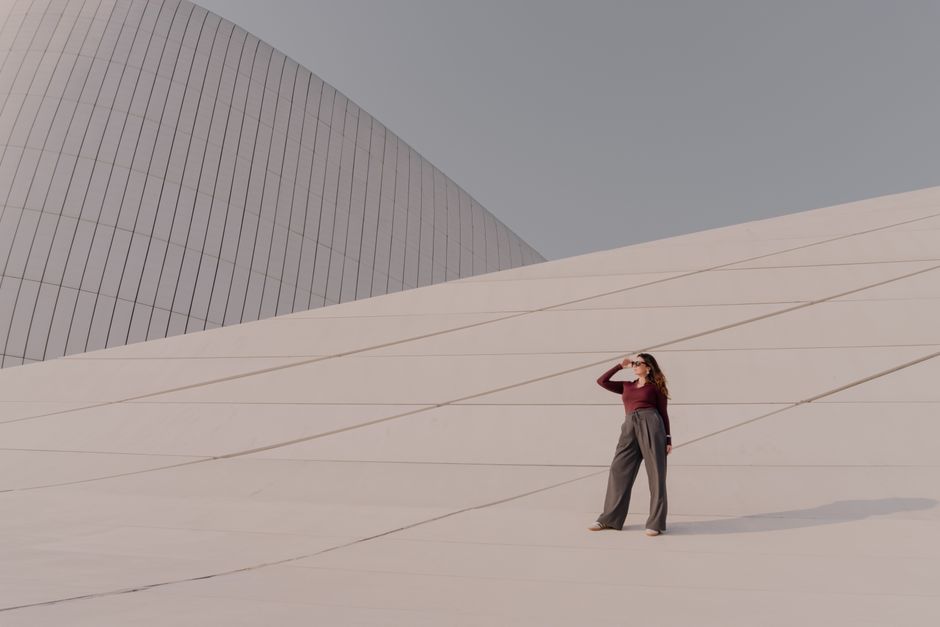
I would not buy six versions of the same black jumpsuit. The useful wardrobe has different levels of formality, different fabrics, and at least one option that can survive travel. Prices change with sales and season, so treat the figures below as typical list-price ranges rather than permanent tags.
The best choices by setting
| Jumpsuit | Typical price | Best use | My verdict |
|---|---|---|---|
| Theory Demetria Jumpsuit in Good Wool | About $495 | Senior meetings and presentations | Best overall for a sharp, suit-like finish |
| Reiss Talia Tailored Jumpsuit | About $495 | Client dinners and office events | Best when you need polish after 6 p.m. |
| COS Wide-Leg Tailored Jumpsuit | About $150 | Modern offices and creative workspaces | Best minimalist option under $200 |
| Babaton Power Jumpsuit by Aritzia | About $200 | Everyday office rotation | Best balance of structure and comfort |
| Everlane The Linen Jumpsuit | About $178 | Warm-weather offices and travel | Best breathable option, but it needs steaming |
| Mango Belted Suit Jumpsuit | About $130 | Budget workwear and first purchase | Best low-risk entry point |
The two I would choose first
If I could keep only two, I would choose the Theory Demetria Jumpsuit and the COS Wide-Leg Tailored Jumpsuit. Theory gives you the cleanest replacement for a traditional power suit: wool structure, a controlled shoulder, and a fabric that holds its shape through a long day. COS looks less corporate and works better with flat shoes, sculptural jewelry, or a short cardigan.
The Reiss Talia is the strongest pick for a woman who moves from office to dinner. Its tailored shape does not need much decoration. The Babaton Power is more forgiving for repeated wear, while the Everlane linen option earns its place in summer but should not be your choice for a formal pitch. Mango wins on price, yet you need to check the lining and buttons in person. My verdict: buy Theory for authority, COS for versatility, and Reiss for evening work events.
Choose the silhouette by workplace, not by trend
The best professional jumpsuit is the one that matches the room. A dramatic wide leg may look excellent in a design studio and distracting in a conservative law office. Start with the dress code, then choose the shape.
1. Conservative office
- Choose a covered shoulder. Look for sleeves, a high neckline, or enough room for a blazer. Thin straps make the outfit depend on layering.
- Keep the leg straight. A straight or gently tapered leg looks more restrained than a very wide palazzo cut.
- Use quiet colors. Navy, charcoal, black, espresso, and deep olive look more credible than bright red or loud prints.
2. Modern corporate office
- Use one strong detail. A belt, square neckline, or pleated shoulder is enough. Two or three dramatic details make the jumpsuit look like eveningwear.
- Show the ankle carefully. A cropped hem works with loafers and pointed flats, but it needs a clean, intentional break above the shoe.
- Choose a jacket with contrast. A cream blazer over navy or a black jacket over stone creates definition without looking matched.
3. Creative or client-facing work
You can take more shape and texture here. Try a wider leg, a visible utility pocket, or a soft belt. My clear recommendation is to keep the base simple and let one accessory carry the personality. The jumpsuit should still look like clothing for work, not a costume built around a trend.
Fit is the whole argument
Check the torso before the waist
Most jumpsuit problems begin with the body length. If the torso is too short, the waist seam pulls upward, the crotch feels tight, and the fabric wrinkles across the bust. If the torso is too long, the waist drops and the garment loses its clean shape. Sit down, reach forward, and raise both arms before removing the tags. The fabric should move without pulling sharply at the crotch or shoulders.
Measure from the top of your shoulder, through the legs, and back to the shoulder when a brand provides a body-length chart. That measurement tells you more than a simple small, medium, or large label. Taller shoppers should check the inseam and torso separately. Petite shoppers often need a hem adjustment plus a small lift at the shoulder or waist.
Use the waist to control the line
A jumpsuit should skim the waist, not squeeze it. You need enough room to pinch roughly 1 inch of fabric at the side seam while standing. That gives you space to breathe and prevents the zipper from becoming the weakest part of the garment. A belt should define the shape, not rescue a loose or badly placed waist seam.
Inspect the fabric in motion
Good workwear fabric has recovery. Wool blends, dense crepe, ponte, and substantial cotton twill usually hold a professional line better than thin polyester satin. Linen can work beautifully, but it creases at the seat and behind the knees. That is not a flaw; it is the tradeoff for breathability. Walk ten steps, sit for five minutes, and check the knees before buying.
My fit verdict is simple: prioritize torso comfort over a smaller waist measurement. A tailor can shorten a hem. Fixing a one-piece garment that pulls through the body is rarely worth the money.
How I style each jumpsuit for a real workday
My strongest opinion: keep the accessories quieter than the jumpsuit. The garment already creates a full outfit, so adding a busy bag, statement necklace, and oversized belt usually makes the look harder to read.
Theory Demetria
Wear it with a black leather belt, pointed pumps, and a structured tote. Skip a necklace and use small metal earrings. This is the one I would choose for a presentation where the clothes need to support authority rather than attract comments.
Reiss Talia
Add slingback heels and a compact shoulder bag. A silk scarf at the neck works for dinner, but I would remove it for a formal daytime meeting. The tailored line already does enough.
COS Wide-Leg Tailored Jumpsuit
Use polished loafers or low slingbacks and a cropped cardigan. The minimalist cut looks best with geometric earrings and a bag with a firm shape. Avoid soft, oversized layers that hide the waist.
Babaton Power Jumpsuit
This is the easiest everyday option. I would wear it with clean white leather sneakers on a casual Friday, then change into block heels for a client appointment. Keep the color dark if you want it to look more expensive.
Everlane The Linen Jumpsuit
Choose flat leather sandals only for relaxed offices. For a more polished finish, use low heels and steam the front placket before leaving home. The fabric needs room to breathe, so do not cinch it with a tight belt.
Mango Belted Suit Jumpsuit
Use the built-in belt and add a blazer in a different fabric. This prevents the outfit from looking too coordinated. For the price, it is a smart first purchase, but I would replace the belt if the original feels thin or shiny.
The mistakes that make a jumpsuit look unprofessional
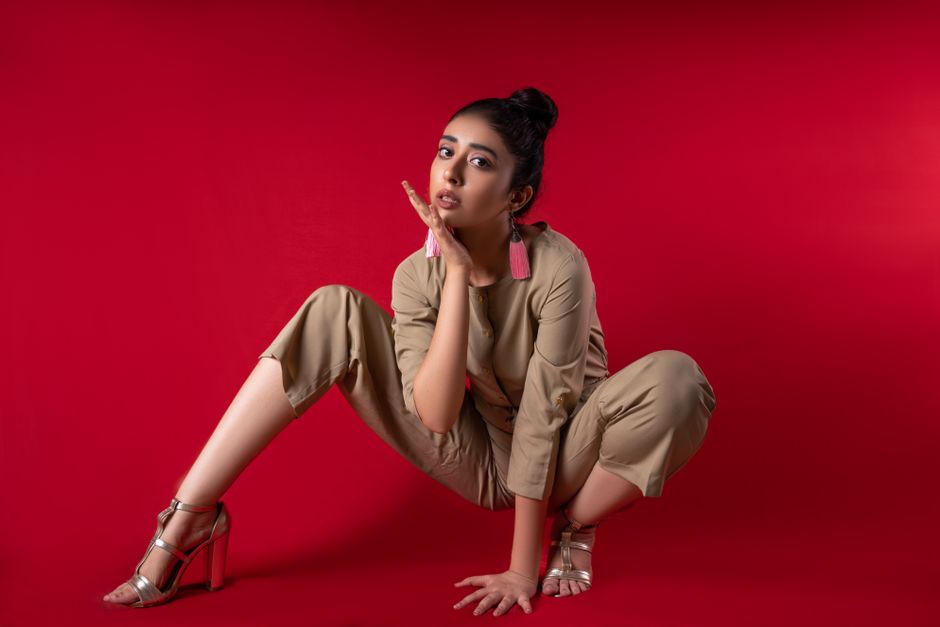
The jumpsuit itself is rarely the problem. The failure usually comes from the wrong scale, weak finishing, or a styling choice that belongs at a party.
Three errors I see often
- Buying for the waist alone. A narrow waist cannot compensate for a short torso, tight arms, or a zipper that waves across the back.
- Ignoring the bathroom test. If removing the garment requires taking off your shoes, watch, and half your jewelry, it will become the outfit you avoid wearing.
- Choosing fabric that photographs better than it wears. Thin satin, shiny jersey, and clingy knit can show every crease under office lighting.
- Pairing a formal jumpsuit with casual accessories. A polished one-piece with a canvas tote and worn sneakers often looks accidental, not relaxed.
- Using a belt to hide poor construction. A belt should shape the outfit. It should not cover a twisted seam or a waist that sits several inches too high.
When not to buy one
Do not buy a jumpsuit for a workplace with strict uniform rules, a job that requires frequent changing, or a day built around carrying heavy equipment. A two-piece outfit is faster to remove and easier to replace when one item gets stained. I also would not choose a white or pale linen jumpsuit for a long commute. It will show wrinkles and travel marks before your first meeting.
Professional jumpsuit questions, answered bluntly
Can a jumpsuit replace a suit for an interview?
Yes, if the industry allows modern workwear and the jumpsuit has a covered shoulder, tailored fabric, and a restrained color. Wear a blazer for the interview itself. My safest recommendation is navy, charcoal, or black with a low pointed heel. Avoid a strapless, backless, or heavily draped style.
What shoes look most professional with a jumpsuit?
Pointed pumps, low slingbacks, polished loafers, and sleek ankle boots work best. Match the shoe formality to the fabric. A wool jumpsuit can handle a structured loafer, while a linen jumpsuit looks better with a lighter shoe. Check the hem while standing in the shoes you plan to wear; the trouser break should not bunch around the toe.
Are jumpsuits comfortable for all-day wear?
The right one can be more comfortable than trousers, but only if the torso, rise, and armholes fit correctly. Look for a two-way zipper, a little stretch, and pockets that lie flat. If you feel pressure when sitting, do not expect the garment to soften enough to fix it.
How many should a work wardrobe have?
Two is enough to start: one dark, tailored jumpsuit for formal days and one softer or lighter option for regular office wear. Three makes sense only when you wear one-piece outfits weekly. My final pick for most wardrobes is the Theory Demetria for authority and the COS Wide-Leg Tailored Jumpsuit for repeat wear. That pair covers presentations, travel, dinners, and ordinary desk days without pretending to be the same outfit every time.
]]>Why Mild Spring Weather Needs a New Outfit Formula
The common mistake is dressing for the warmest part of the day. You leave home in a thin dress, then spend the morning cold and uncomfortable. The opposite mistake is wearing heavy denim, thick sweaters, and winter boots until the outfit feels more like March than spring.
Mild weather needs a middle layer. Start with one breathable base, add one piece that blocks wind, and finish with shoes that match the formality of the outfit. This three-part formula keeps you comfortable without making the look bulky.
Use texture instead of extra layers
Linen blends, cotton poplin, fine-gauge knits, and light satin add visual interest without trapping too much heat. A ribbed top looks more considered than a plain jersey tee, while a cotton shirt gives structure to soft trousers or a flowing skirt.
Keep the color story simple
Choose two neutrals and one spring accent. Stone with black and pale blue looks clean. Navy with cream and soft yellow feels brighter. Olive with white and tan works on days when the weather still feels slightly wintry.
Verdict: The strongest mild-weather outfit uses one light base, one practical layer, and one polished shoe. More pieces usually create bulk instead of style.
Seven Non-Jeans Outfits to Copy
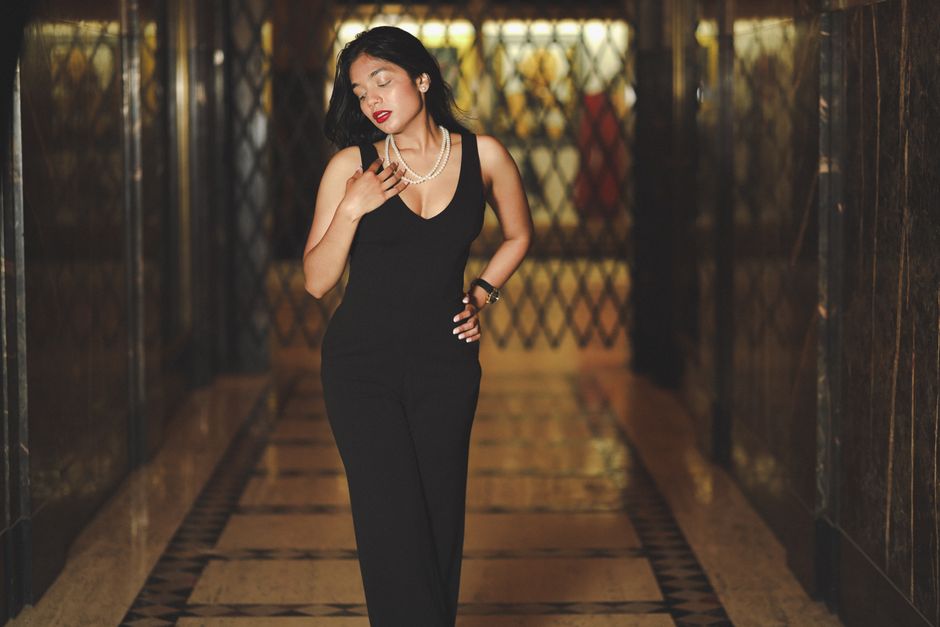
These outfit ideas cover the main situations most people face in spring. Each one has a clear silhouette, a useful temperature range, and a simple swap for cooler or warmer days.
- Linen trousers, fitted tee, and cropped cardigan: Start with the UNIQLO Linen Blend Easy Trousers, listed around £19.90 in the UK, in beige, navy, or olive. Add a fitted white tee, a short cardigan, and leather loafers. The wide leg balances a close-fitting top and makes the outfit look intentional.
- Satin midi skirt and knit polo: The COS A-Line Satin Skirt costs about €89 in Germany and uses a 65% Ecojilin, 35% TENCEL blend. Pair it with a short-sleeve knit polo and a slim belt. Add low-profile sneakers for daytime or small-heeled slingbacks for dinner.
- Cotton shirt dress and colorful sneakers: Pick a shirt dress that ends around the knee or mid-calf. Leave the bottom two buttons open so you can move easily, then add a narrow belt and a light jacket. A soft red or green sneaker gives the outfit energy without making it look sporty.
- Tailored Bermuda shorts and an oversized blazer: Choose shorts with a flat front, a 7-to-10-inch inseam, and fabric that holds its shape. Wear them with a tucked tank, an oversized blazer, and loafers. This is the best option for warm afternoons when full-length trousers feel too heavy.
- Slip skirt, sweatshirt, and ballet flats: A matte slip skirt looks less formal than shiny satin. Add a relaxed sweatshirt, small shoulder bag, and ballet flats. Keep the sweatshirt slightly cropped or tuck just the front so the waist does not disappear.
- Poplin co-ord and leather oxfords: Match a crisp cotton shirt with wide-leg poplin trousers in the same color family. The clean line looks expensive even with simple accessories. Black Dr. Martens 1461 Smooth Leather Oxford Shoes add weight and make the outfit useful on wet sidewalks.
- Fine-knit midi dress and utility jacket: Pick a dress with a straight or softly shaped fit rather than a thick bodycon knit. Add a cropped utility jacket and simple sneakers. This combination is quick to assemble and works when you need to look dressed without planning separate pieces.
Verdict: The linen-trouser outfit is the most versatile choice. The satin skirt wins for a dressier plan, while the Bermuda shorts work best when the afternoon forecast reaches the upper 60s.
How to Choose Fabrics for 55–70°F Days
Fabric matters more than the label on the outfit. A spring look can feel too hot when the material holds moisture, or too cold when it has no protection from wind. Choose fabrics by function rather than by color or trend.
Best fabrics for the base layer
Cotton jersey, cotton rib, linen blends, and lightweight merino are reliable choices. A 150-to-200 GSM cotton tee feels comfortable in mild sun. A fine merino top works better on a cool morning because it regulates heat and resists odor. Avoid thick polyester jersey when you expect to walk, commute, or sit outside.
Best fabrics for trousers and skirts
Linen-cotton blends crease less than pure linen while keeping a similar airy feel. Cotton poplin gives structure to wide trousers and shirt dresses. Satin and viscose drape well, but they can cling in wind, so add a slip or choose a skirt with a little weight.
Check the lining and care label
A lined skirt may look refined but feel warm under direct sun. An unlined piece may be more breathable but show underwear lines. Check transparency in daylight, not only under shop lighting. Also check washing instructions; a dry-clean-only spring item often gets worn less because it is harder to maintain.
Verdict: For daily wear, choose cotton or a linen blend. Save delicate satin and high-maintenance fabrics for plans where the extra care feels worthwhile.
Which Shoes Keep These Outfits Chic and Walkable?

Shoes decide if a spring outfit looks finished or thrown together. The wrong pair can also make a practical outfit hard to wear. You need a shoe with enough structure for the clothes but not so much weight that it looks like winter footwear.
Best sneaker for skirts and dresses
The adidas Gazelle Indoor is a strong choice for satin skirts, shirt dresses, and casual tailoring. The standard price is around $120 in the United States, with some colors appearing near $96 during sales. Its low profile keeps the ankle line visible, which matters when a midi hem already covers much of the leg.
Best loafer for trousers
Choose a loafer with a firm sole, a rounded or almond toe, and enough room to wear thin socks. A black or dark brown pair works with beige trousers, skirts, and shorts. Avoid very flat slippers with wide-leg trousers; they can make the hem drag and shorten the shape of the outfit.
When oxfords beat sneakers
Leather oxfords work better for office settings, rainy commutes, and outfits that already have relaxed fabric. The Dr. Martens 1461 is more substantial than a classic loafer, so wear it with cropped trousers, a short skirt, or a dress that shows the ankle. Do not pair it with a long, heavy skirt unless the rest of the outfit has enough structure.
Verdict: Pick the adidas Gazelle Indoor for the broadest casual use. Pick the Dr. Martens 1461 when you need a sharper, weather-ready shoe.
How to Layer When the Morning Is Cold
The best spring layer is easy to remove and easy to carry. A thick coat makes a satin skirt or tailored short look awkward, while no layer leaves you uncomfortable before lunch.
Use the one-layer rule
Wear one visible layer over the base outfit: a cropped cardigan, cotton chore jacket, lightweight trench, or unlined blazer. Keep the outer layer close to the body if the bottom half is wide. If the skirt or trousers are narrow, an oversized jacket creates better balance.
Pack for the temperature change
For a 10°F swing during the day, choose a cardigan or jacket that folds without losing its shape. A cotton cardigan fits into a medium tote. A light trench handles wind and rain better but takes more space. Carry a compact umbrella if the forecast shows showers rather than relying on a delicate jacket.
Match hem lengths carefully
A cropped jacket usually works with high-waisted trousers, Bermuda shorts, and midi skirts. A longer trench works with a shorter dress or a straight skirt. Avoid a jacket that ends at the widest part of your hips unless the fabric hangs cleanly.
Verdict: A cropped cardigan is the easiest layer for most of these outfits. Use a lightweight trench when wind or rain matters more than packability.
What Usually Makes Spring Outfits Look Off?
Is a loose top with wide trousers too shapeless?
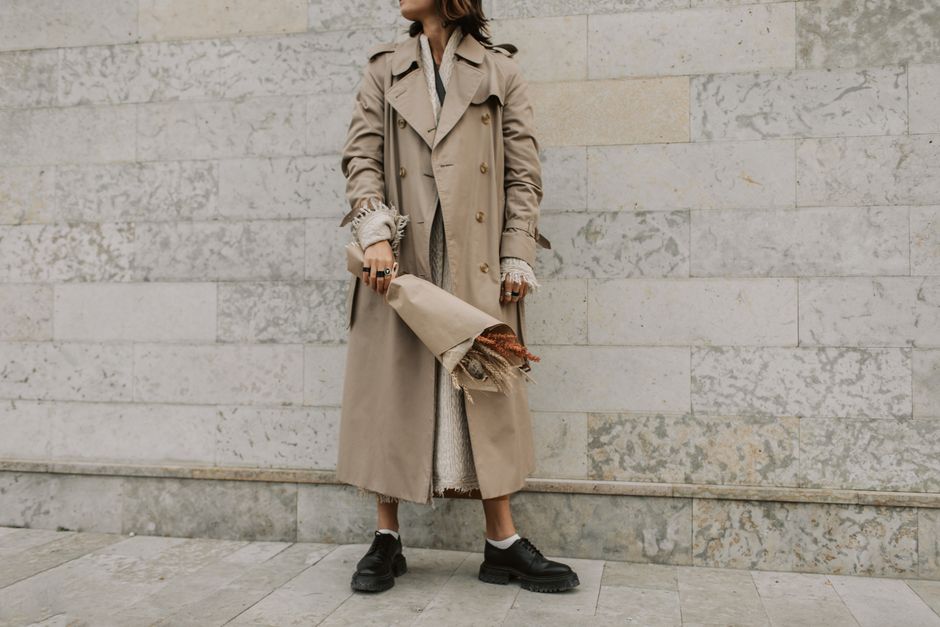
It can be. Give the outfit one clear anchor: tuck the shirt, expose the wrists, or choose a shorter jacket. The UNIQLO linen trousers look more polished with a fitted tee or tucked shirt than with another oversized layer.
Why does satin sometimes look too formal?
The problem is often the styling, not the skirt. Satin becomes daytime-friendly when you add cotton, knitwear, flat shoes, or a casual jacket. Avoid combining a satin skirt with a silk blouse, high heels, and a jeweled bag unless you want an evening outfit.
Should you buy a spring piece in a trend color?
Buy the trend color only if you can name three outfits for it. Pale yellow works with navy, cream, and denim-colored blue. A very specific neon shade may look exciting online but become difficult to wear. For one-season purchases, choose an inexpensive accessory instead of a costly coat or shoe.
When should you skip these outfits?
Skip linen trousers when you need a crisp look after sitting for hours and dislike wrinkles. Skip satin on a windy day if the fabric clings. Skip heavy oxfords when you will walk several miles on hot pavement. The best outfit is the one that suits the actual day, not only the mirror.
Verdict: Most spring outfit failures come from ignoring proportion, movement, and care. Fix those three details before buying another item.
Which Outfit Wins for Each Plan?
Use this quick comparison before getting dressed. It keeps the choice practical and stops you from forcing one outfit into every setting.
| Plan | Best outfit | Ideal shoe | Weather range |
|---|---|---|---|
| Office or smart lunch | Poplin co-ord with a light blazer | Dr. Martens 1461 or a structured loafer | 55–65°F |
| Shopping and errands | UNIQLO linen trousers, fitted tee, cardigan | adidas Gazelle Indoor | 58–70°F |
| Dinner or gallery visit | COS satin midi skirt with knit polo | Slingbacks or slim sneakers | 60–70°F |
| Warm afternoon | Tailored Bermuda shorts and blazer | Loafers or ballet flats | 65–75°F |
| Fast morning outfit | Fine-knit midi dress and utility jacket | Low-profile sneakers | 55–68°F |
The clear winner for a small spring wardrobe is the linen-trouser combination because it works with sneakers, loafers, cardigans, and jackets. Add the satin midi skirt when you want a more polished option, then use the shirt dress or knit dress for days when getting dressed needs to take less than five minutes.
]]>