Destination Wedding Attire Men: Destination Wedding Attire: Climate-Specific Packing for Men
You RSVP’d yes six months ago. The invitation said “beach formal” and you assumed that meant a suit with sand. Now you’re staring at a half-packed suitcase, the forecast shows 90% humidity, and the airline just announced a 22-pound carry-on limit. This is the moment most men panic-buy a linen shirt that wrinkles before they leave the hotel room.
Destination weddings punish poor planning. A wool suit in Cancún leaves you soaked through by the ceremony. A cotton blazer in a mountain venue leaves you shivering during cocktail hour. The solution isn’t one outfit — it’s a system built around the specific climate you’re flying into.
How Humidity and Heat Change Your Fabric Choices
Heat isn’t the problem. Humidity is. Your body cools itself through sweat evaporation, and when the air is already saturated with moisture, that process stops. You end up damp, uncomfortable, and visibly sweating through your jacket within 20 minutes.
The rule is straightforward: the more humid the climate, the more open the weave needs to be. Tightly woven fabrics trap heat and moisture against your skin. Open weaves let air circulate and sweat evaporate.
Linen: The Obvious Choice, But Not Always the Right One
Linen breathes better than any other natural fiber. A 100% linen suit from Suitsupply ($499) or a linen blazer from J.Crew ($298) will keep you cooler than any wool or cotton alternative. But linen has a real failure mode: it wrinkles aggressively within minutes of sitting down. For a 15-minute ceremony followed by photos, that’s fine. For a full-day wedding with dinner and dancing, you’ll look rumpled by the main course.
The fix is a linen-cotton blend. The cotton content reduces wrinkling while retaining most of the breathability. Bonobos offers a linen-cotton sport coat ($395) that holds its shape noticeably better than pure linen. For tropical destinations with humidity above 70%, this is the better bet.
Tropical Weight Wool: The Overlooked Performer
Most men don’t realize wool can work in heat. Tropical weight wool (around 7-8 ounces per yard) is woven loosely enough to breathe while still draping like a proper suit. It resists wrinkles, repels light moisture, and looks crisp from ceremony to after-party.
Suitsupply’s Havana fit in tropical wool ($499) is the single best option for a humid destination wedding. It’s unlined, uses a half-canvas construction, and comes in light gray and tan that photograph well against ocean backgrounds. The fabric weight means it packs flat without creasing — a real advantage when you’re living out of a carry-on for four days.
Seersucker: A Southern Secret for Coastal Venues
Seersucker is cotton with a puckered weave that keeps the fabric off your skin. Air circulates freely underneath. It’s traditionally associated with Kentucky Derby style, but for a beach wedding in the Carolinas or the Gulf Coast, it’s more practical than linen because the texture hides wrinkles entirely.
J.Crew Factory sells a seersucker suit for around $250. The tradeoff is that it only works in light blue or gray stripes — you can’t wear it to a black-tie optional wedding, and it looks out of place anywhere north of the Mason-Dixon line. But for the right venue, it’s unbeatable.
| Fabric | Best For | Wrinkle Resistance | Breathability | Price Range |
|---|---|---|---|---|
| Pure linen | Short ceremonies, dry heat | Poor | Excellent | $250–$500 |
| Linen-cotton blend | Humid coastal venues | Moderate | Very good | $300–$600 |
| Tropical weight wool | Humid or mixed climates | Excellent | Good | $400–$800 |
| Seersucker | Southern US coastal venues | Excellent | Very good | $200–$400 |
Cold and Mountain Climates: Layering Without Bulk
A destination wedding in Aspen, the Scottish Highlands, or Patagonia presents the opposite problem. The ceremony might be indoors at 68°F, but the reception is on a terrace at 45°F with wind. You need a suit that works in both environments without looking like you’re wearing a winter coat to a formal event.
The mistake most men make is wearing heavy fabrics everywhere. A 12-ounce wool suit is too warm indoors and too stiff to pack. The solution is a medium-weight wool (9-10 ounces) with a separate layering piece.
For mountain venues, a three-piece suit is the smartest choice. The vest adds insulation without a jacket, so you can remove the blazer during dinner and still look dressed. Spier & Mackay makes a three-piece in 9-ounce wool for $550 that packs into a standard garment bag without issue.
Footwear matters more in cold climates. Open-weave loafers let in cold air. A closed Oxford or chukka boot in leather keeps your feet warm. Allen Edmonds Fifth Avenue cap-toe Oxfords ($425) in dark brown are appropriate for any mountain wedding dress code and pair equally with wool trousers or dark denim for the rehearsal dinner.
The Layering Order That Works
- Base: Merino wool undershirt (not cotton — cotton gets damp and cold). Uniqlo’s Heattech line ($15) works fine.
- Mid: Dress shirt, preferably with a spread collar that works with or without a tie.
- Insulation: Vest or cardigan if the wedding allows it. For black-tie, skip this and rely on the jacket.
- Outer: Unstructured blazer or suit jacket. Structured shoulders look formal but trap cold air. An unstructured jacket from Suitsupply or Bonobos allows a thin sweater underneath without bunching.
Footwear: The Single Item Most Men Get Wrong
Your shoes determine whether your outfit reads as intentional or improvised. For destination weddings, the failure mode is bringing shoes that only work for one activity. You end up wearing dress shoes to the beach welcome party or sneakers to the reception because your loafers are blisters waiting to happen.
The universal destination wedding shoe is a leather loafer with a rubber sole. Not a leather sole — those slip on wet grass and tile floors. A rubber-soled loafer from G.H. Bass & Co. ($120) or Meermin ($195) works for the ceremony, the reception, and the brunch the next morning. It dresses down with chinos and up with a suit.
For tropical climates, consider loafers in unlined leather or suede. They breathe better and pack flatter. For mountain climates, a dark brown chukka boot from Clarks ($110) or Red Wing ($330) is acceptable for any dress code below black-tie. The boot silhouette reads as intentional, not casual, when paired with tailored trousers.
Never bring new shoes to a destination wedding. You will not have time to break them in. Wear your chosen pair for at least two full days before you fly.
The One-Bag Packing System That Actually Works
Checked luggage gets lost. Overhead bins fill up. The smartest move for any destination wedding is a single carry-on garment bag plus a backpack. This forces you to edit ruthlessly.
Here’s the exact list for a three-day wedding weekend in any climate:
- One suit or blazer in tropical-weight wool or a linen-cotton blend. This covers the ceremony and reception.
- Two dress shirts — one white, one light blue. Both should be wrinkle-resistant cotton or a cotton-poly blend. Brooks Brothers non-iron shirts ($98 each) hold up well after packing.
- One pair of dress trousers that match the blazer. If your blazer is patterned, bring solid trousers in navy or gray.
- One pair of chinos in beige or navy. These cover the welcome dinner, rehearsal, and brunch.
- One polo or linen shirt for daytime events. A linen camp collar shirt from Alex Mill ($125) works for beach activities.
- One pair of loafers with rubber soles.
- One belt that matches your shoes. Dark brown leather is the most versatile.
- One tie — silk knit in navy or burgundy. It packs flat and works for any dress code from cocktail to formal.
This system weighs under 15 pounds and fits in a standard garment bag like the Travelpro Maxlite 5 ($130). No checked bag fees, no lost luggage, no second-guessing.
When to Ignore the Dress Code Entirely
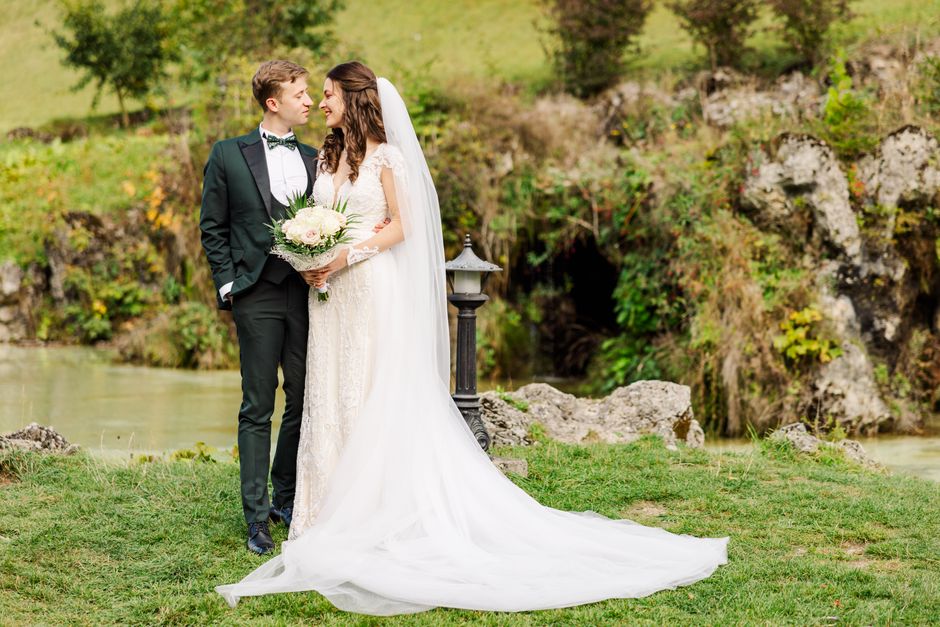
Not every destination wedding requires a suit. If the invitation says “beach casual” or “resort wear,” wearing a blazer makes you overdressed and uncomfortable. The couple chose that dress code because they want people relaxed, not sweating through a jacket.
For a beach casual wedding, wear linen trousers ($90 from Banana Republic) with a camp collar shirt and loafers. Skip the jacket entirely. If you feel underdressed, add a lightweight knit blazer in navy cotton — it reads as intentional without the formality of a structured suit.
The same logic applies to ultra-formal weddings. If the invitation says “black-tie optional” and the venue is a beach resort, wear a dark suit with a bow tie. A full tuxedo in sand is impractical, and the couple likely chose the venue knowing that. Courts have generally found that dress code expectations must be reasonable given the venue — this isn’t a legal rule, but it’s a social one worth following.
The Real Tradeoff: Comfort vs. Formality
Every destination wedding involves a tradeoff. You can be perfectly dressed for the ceremony or perfectly comfortable for the reception, but rarely both. The solution is to optimize for the longer event. If the ceremony is 20 minutes and the reception is four hours, prioritize reception comfort. A linen blazer that you can remove and carry beats a wool suit that leaves you sweating through dinner.
For most destination weddings in 2026, the safest bet is a tropical-weight wool suit in light gray or tan, paired with a cotton-linen dress shirt and rubber-soled loafers. That combination works in Cancún, Charleston, or the Greek islands. It fails only in extreme cold or extreme formality — and for those, you need a separate plan.