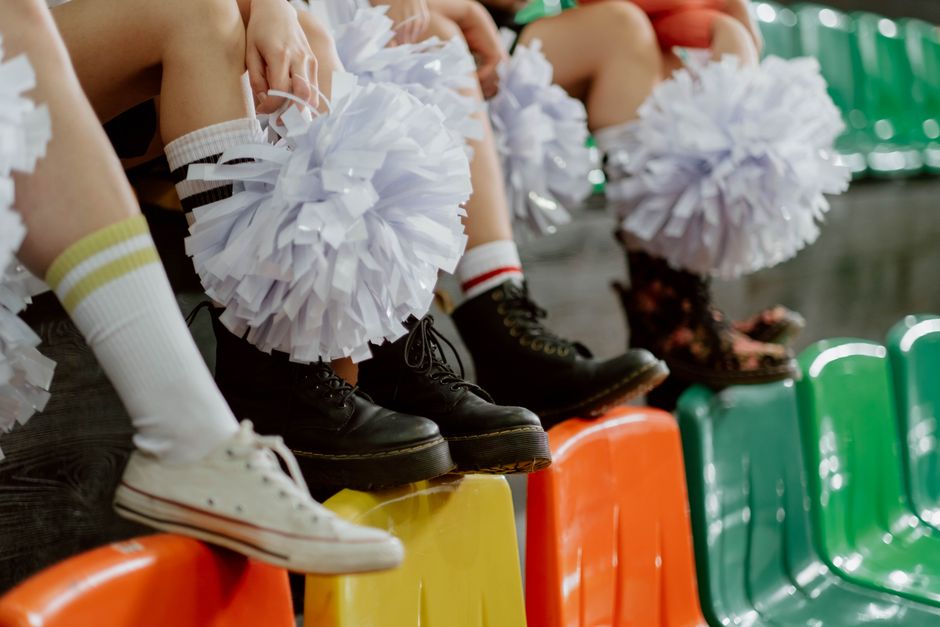
March Transition Shoes 2026: Boots to Derbies
You leave home in frost, walk through a wet lunch break, and finish the day in mild sunshine. That is March footwear in one sentence. Heavy boots feel right at 7 a.m., but they look overbuilt by mid-afternoon. Thin sneakers solve the visual problem and create a practical one when sidewalks stay cold and damp.
The best answer is a lighter derby with a grippy sole, enough room for socks, and leather that can handle a surprise shower. The change should happen in stages. Retire insulated winter boots first, keep one weather-ready pair nearby, and let polished derbies take over as the daily default.
Why March Shoes Need a Different Plan
The right March shoe balances protection, weight, and visual lightness. Winter boots exist to solve a hard problem: cold ground, standing water, snow residue, and poor traction. Their thick uppers and deep soles create a buffer between your feet and the street. That buffer becomes tiring once temperatures rise, but the weather has not become fully reliable.
The weather problem is not just rain
March often produces short bursts of rain rather than all-day storms. A shoe does not need expedition-level waterproofing for that pattern. It needs a closed upper, a sole with visible tread, and enough leather treatment to resist a wet pavement crossing. A smooth leather derby can handle those conditions better than a fabric sneaker, especially when the shoe has a stitched or well-sealed sole.
Temperature matters too. Your feet generate heat inside a shoe, and a padded boot traps more of it. That creates the familiar March cycle: cold walk to work, overheated train ride, damp socks by lunch. A lighter derby reduces that buildup without exposing your feet to the street.
What a lighter shoe must still do
A spring-ready derby should weigh less than a work boot, flex near the ball of the foot, and leave enough space for a medium-weight cotton or merino sock. The upper should bend without creating a hard crease across the toes. The outsole should have defined edges or shallow lugs instead of a completely flat dress sole. That detail matters on wet metal grates and painted crossings.
The clearest buying rule is simple: choose the lightest shoe that still handles your actual commute. For a train ride and paved sidewalks, a leather derby with a rubber sole wins. For a muddy campus, long dog walks, or regular storms, keep a boot in rotation longer. Style should follow the route, not the calendar.
Boots, Derbies, and Loafers: The March Comparison
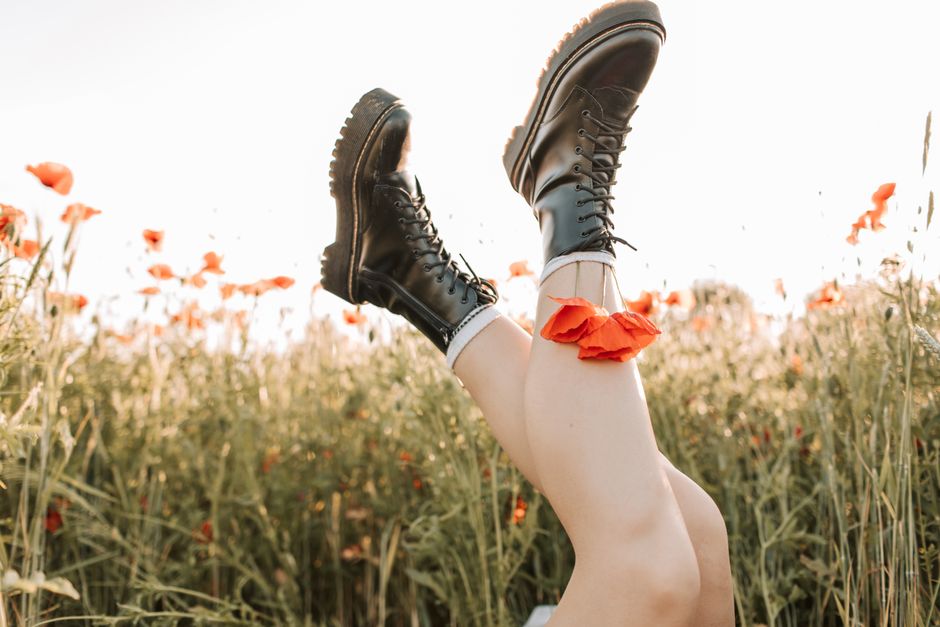
March footwear works best when each category has a defined job. The table below compares the tradeoffs without pretending one shoe can handle every street, office, and forecast.
| Shoe type | Best weather | Typical weight | Protection | March verdict |
|---|---|---|---|---|
| Insulated winter boot | Freezing rain, snow, slush | Heavy | Highest warmth and coverage | Keep for cold mornings and bad forecasts |
| Unlined leather boot | Cool rain and wet pavement | Medium | Good ankle coverage | Best bridge when boots still feel necessary |
| Rubber-soled derby | Cool, damp city weather | Light to medium | Good traction and moderate splash resistance | Best daily March choice |
| Leather-soled derby | Dry days and indoor commutes | Light | Low wet-weather grip | Use only when the forecast is stable |
| Loafer | Dry, mild afternoons | Lightest | Low coverage and limited warmth | Save for late March or sheltered routes |
The balanced answer is the rubber-soled derby
A rubber-soled derby gives you the clean shape of a dress shoe with more useful street traction. The open lacing also makes it easier to adjust the fit over thicker socks than a slip-on loafer. That small detail matters when morning temperatures still sit below 50 degrees Fahrenheit.
Why sole weight matters
A large sole changes more than appearance. It makes the shoe feel slower when you walk and can force a stiffer stride. A thin leather sole feels elegant but becomes slick on wet pavement. The best March compromise is a moderate rubber sole with enough flex to walk naturally and enough tread to keep contact on slick surfaces. Choose that profile before chasing a particular color or finish.
How to Switch from Boots to Derbies
Do not make the change by putting every winter shoe away on one warm afternoon. Use a seven-day test that measures the route, the forecast, and your feet.
Use this five-step changeover
- Check the morning low, not just the afternoon high. If the low stays below 40 degrees Fahrenheit and you will stand outside for more than 15 minutes, use an unlined boot or a derby with a heavier sock.
- Inspect the route. Puddles, gravel, grass, and unsealed paths call for more sole protection than a dry office commute.
- Wear the derby indoors for two hours before taking it across town. Look for pressure at the heel, little toe, and tongue.
- Apply a suitable leather conditioner or protector before the first wet outing. Test it on a hidden section because some products darken suede or pale leather.
- Keep one boot by the door for forecast changes. A transition wardrobe works when it gives you a backup, not when it forces one shoe to do everything.
Build the right sock combination
Many March fit problems come from changing socks too quickly. A thin summer dress sock can make a derby feel loose and create heel slip. Start with a medium merino or cotton blend. If the shoe still feels tight after several wears, do not solve the problem by wearing thinner socks. A cramped toe box stays uncomfortable, and leather does not reliably stretch in every direction.
Judge comfort after a full walking day
Five minutes in a shop tells you almost nothing about late-day swelling. Walk at least 30 minutes before making a final decision, then check for red pressure marks. The clear verdict: if a derby feels fine only when you sit down, it is not a March daily shoe. Keep searching for a better last, wider toe box, or adjustable lacing.
Which Derby Shoes Earn a Place in a March Rotation?
For most people, the Clarks Batcombe Hall is the best value transition derby. It has the plain-toe shape needed for work and dinners, a leather upper, and a rubber outsole that makes more sense on wet sidewalks than a thin leather sole.
Best value: Clarks Batcombe Hall
The Batcombe Hall suits commuters who want one pair for trousers, dark denim, and casual tailoring. Its styling stays quiet, so it does not make a March outfit look like formal winterwear. The rubber outsole also gives it a wider use window than a delicate dress derby.
Best rugged option: Dr. Martens 1461 Smooth
The Dr. It is heavier and more casual than the Clarks, but that weight helps on wet pavement and rough sidewalks. Pick the 1461 when you wear denim, chore jackets, or casual tailoring. Skip it for a conservative office where the chunky sole will dominate the outfit.
Best step-up choices: Meermin and Solovair
Its Goodyear-welted construction and leather upper give it a more structured shape for office trousers and wool coats. Meermin wins for polished workwear; Solovair wins for wet streets and casual clothes. Prices vary by leather, size, and retailer, so treat these as typical 2026 reference prices rather than fixed quotes.
The Best March Shoe Choice for Each Outfit
Use the table as a final rotation guide. The winner changes with the route, but each recommendation has a clear job.
Choose the shoe that matches the hardest part of the day
If your morning commute is the difficult part, dress for the wettest or coldest stretch. If the route is covered and the office is formal, prioritize shape and flex. A March shoe should earn its place by solving a real daily problem, not by looking seasonal in a product photo.