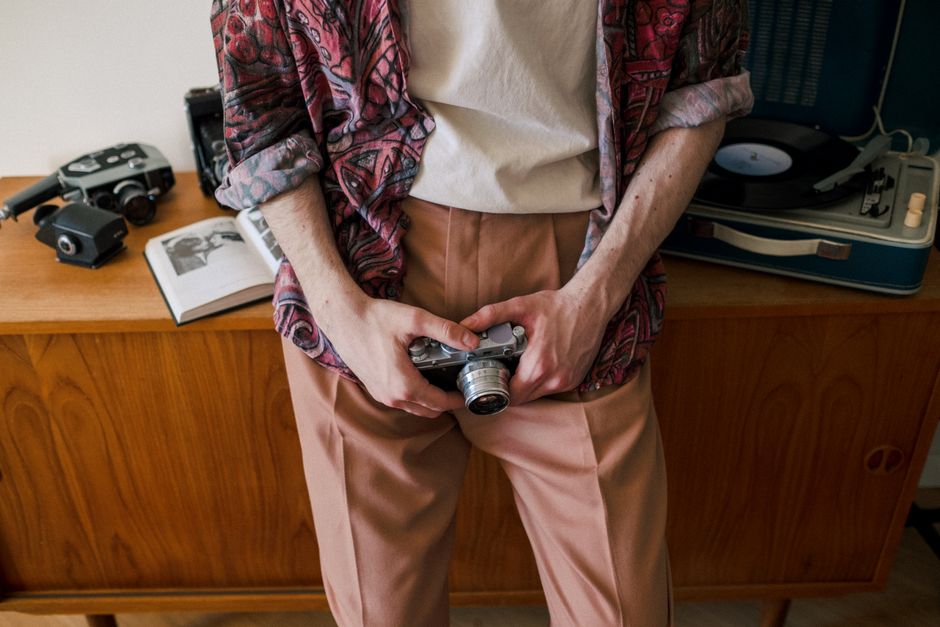
Thrifting Vintage Fashion: How to Thrift Vintage Fashion: Spot Quality and Fit Fast
You walk into a charity shop, see a crowded rail of jackets, and freeze. The labels are unfamiliar, the sizes make no sense, and everything smells faintly of storage. The good pieces are there, but random browsing will not find them.
Thrifting vintage fashion works best when you treat every garment like a small inspection job. Check the fabric, seams, measurements, damage, and price before you get attached. That five-minute habit saves money and produces clothes with more character than another identical high-street shirt.
What Vintage Fashion Actually Means
Vintage clothing is usually at least 20 years old, but age alone does not make a garment worth buying. A badly made 1990s shirt can be less useful than a well-cut modern secondhand blazer. The best thrifted pieces combine strong materials, distinctive construction, and a shape that still works with your wardrobe.
Age is only one clue
Start with the care label, country of manufacture, fabric content, and brand tag. Older labels often use different fonts, union marks, woven tags, or language that places the garment in a rough period. A paper-thin polyester dress from the 1980s may be genuinely old, but it should not command the same attention as a heavy wool coat with clean tailoring.
Look at the fastenings too. Metal zips, horn-style buttons, corozo buttons, reinforced pockets, and generous seam allowances often point to better construction. They do not prove a garment’s age, but they give you useful evidence.
Buy the material, not the label
Run your hand over the fabric. Dense cotton denim, pure wool, linen, silk, leather, and tightly woven cotton usually offer more value than flimsy blends. Check the inside of the collar, cuffs, underarms, crotch, and pocket edges because these areas show wear first.
The verdict is simple: choose a plain vintage garment in excellent fabric over a famous label made from weak material. A $35 wool skirt you wear every week beats a $100 novelty jacket that only works for one costume.
Use a Five-Minute Thrift-Shop Method

The fastest route to a good find is a repeatable pass through the shop. Do not pull every interesting item from the rail. Filter first, inspect second, try on third.
Work the rails in the right order
- Start with fabric. Scan the tags for wool, linen, silk, leather, heavyweight cotton, and sturdy denim. Ignore anything that feels weak before you even check the brand.
- Check the shape. Look for useful cuts: straight-leg trousers, cropped jackets, roomy shirts, structured skirts, and coats with clean shoulders.
- Inspect the high-wear zones. Hold the garment under bright light and examine armpits, hems, seat, knees, elbows, and lining.
- Check the smell. Smoke, damp, mildew, and strong perfume can remain after washing. If the odor feels embedded, put the garment back.
- Read the price last. A cheap item can still be a bad purchase if repairs or specialist cleaning cost more than the garment.
Make a pass, then make a decision
Give yourself one full rail pass without buying anything. On the second pass, take only the pieces that meet your fabric, condition, and shape rules. Try them on with the clothes you actually wear, not an imaginary future wardrobe.
Use a simple test: can you name three outfits for the item using pieces already in your closet? If not, the garment is probably entertaining you rather than serving you. Leave it behind.
How to Get Vintage Fit Right
Vintage sizing is unreliable. A tagged 12 from 1985 may fit like a modern 8, while a men’s large from the same decade may be close to today’s medium. Actual measurements matter more than the number sewn into the collar.
What if the tag says a smaller size?
Ignore the label until you measure the garment. Button shirts and jackets, lay them flat, and measure from armpit to armpit. Double that number for the chest. For trousers, measure across the waistband and double it, then measure the rise, inseam, and hem opening.
Compare those numbers with a garment you already own and love. That reference piece gives you a much better target than guessing from a size chart. For jackets, allow extra chest room if you plan to wear a sweater underneath. For trousers, check the rise before judging the waist because a low rise can make the same waist measurement feel much tighter.
What should you measure before buying?
- Shirts and jackets: pit-to-pit, shoulder width, sleeve length, and total back length.
- Trousers and jeans: waist, front rise, inseam, thigh width, and leg opening.
- Skirts and dresses: waist, hip, shoulder, bust, and length.
- Coats: shoulder width, chest, sleeve length, and room over your thickest layer.
The verdict: buy the garment that fits your shoulders, rise, and main body measurement now. Minor waist or hem work is easy. Rebuilding a shoulder line or adding several inches to a chest is expensive and often impossible.
Five Vintage Finds Worth Hunting
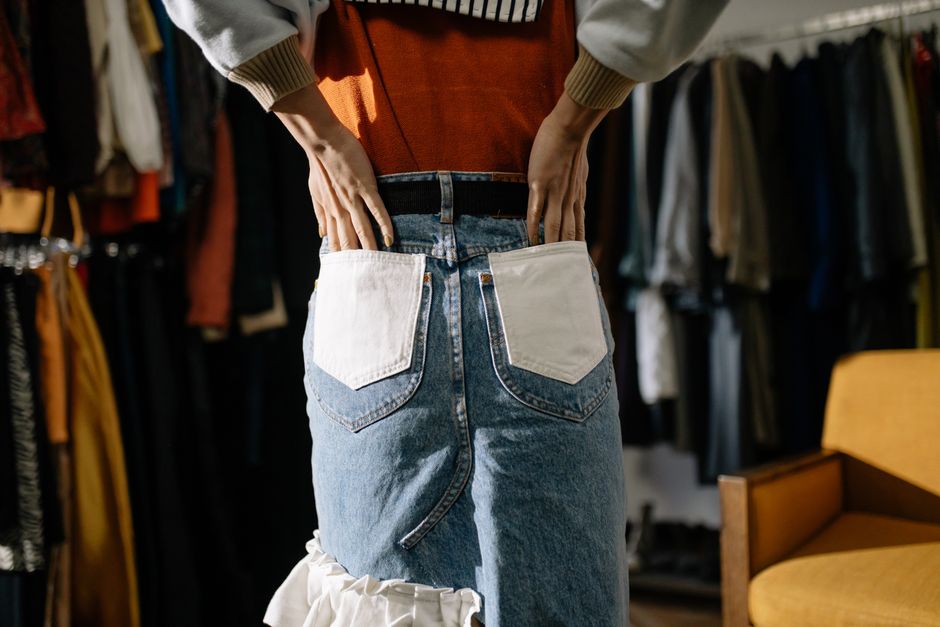
My top beginner buys are durable, easy to identify, and simple to style. Set a spending ceiling before you shop. The ranges below are sensible working budgets for clean secondhand examples, not promises of fixed market value.
Use price ceilings to stop impulse buys
| Find | Useful target | Working budget | Why it earns space |
|---|---|---|---|
| Levi’s 501 jeans | Heavy denim, intact waist, no crotch blowout | $45-$90 | Strong everyday base; easy to hem |
| Barbour Bedale jacket | Sound waxed cotton, usable lining, working zip | $80-$180 | Weather-ready layer with repair options |
| Pendleton wool shirt | Dense wool, clean collar, no moth holes | $35-$75 | Warm, distinctive, and simple over a T-shirt |
| Dr. Martens 1460 boots | Good soles, firm heel counters, no split leather | $70-$140 | Long-wearing footwear with a clear shape |
| Coach Willis bag | Solid leather, working strap, clean interior | $80-$160 | Classic structure without loud branding |
Choose the best first purchase
For a first vintage buy, pick the Levi’s 501 jeans. They are easier to size than a tailored coat, tolerate small repairs, and work with sneakers, loafers, boots, or a simple shirt. The Barbour Bedale is the better choice for wet weather, but only if the waxed fabric still feels flexible and the lining is not shredded.
Skip anything priced like a collector’s piece until you know how to judge condition. You are buying clothes, not an investment portfolio.
What Beginners Should Leave Behind
My rule: damage must be cheaper to fix than the garment is worth to you. A missing button is minor. A moth-eaten wool coat, cracked faux leather, or rotten elastic is a different problem.
Do not pay for a famous name alone
Big labels attract inflated prices. A vintage designer blouse with yellowed underarms, a broken zip, and no room at the seams is still a poor buy. The name does not restore the fabric. Ask what the garment would be worth without the logo, then decide if the construction earns the price.
Be especially careful with supposed luxury handbags. Uneven stamping, mismatched hardware, crooked stitching, peeling edges, and a chemical smell should end the purchase. Walk away instead of trying to solve authenticity in a busy shop.
Know the repairs that change the math
- Good repairs: replacing buttons, shortening hems, fixing a loose seam, or adding a simple hook.
- Risky repairs: replacing a jacket zip, reshaping shoulders, repairing torn lining, or altering a heavily tailored waist.
- Hard no: mildew, dry rot, widespread moth damage, peeling bonded leather, and stains that cover several panels.
The clear winner is the nearly right garment with one cheap repair. Leave the dramatic rescue project for later, when you know your tailor and your tolerance for extra cost.
Clean and Style a Thrifted Piece Safely
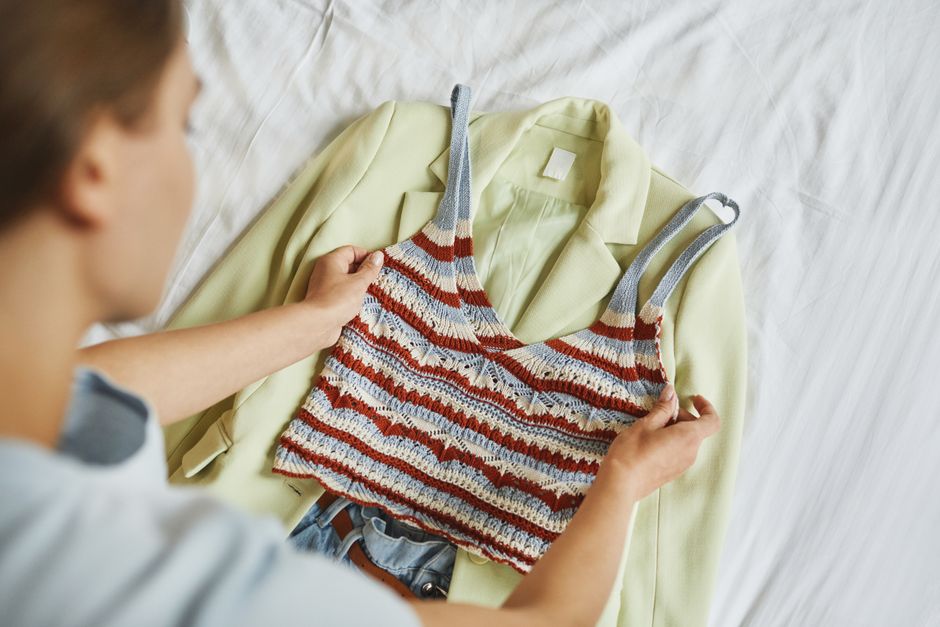
Clean vintage clothing gently. Aggressive washing can shrink wool, strip dye, weaken old seams, and ruin delicate finishes. The correct method depends on the fiber and the condition, so read the label and inspect the garment before adding water.
Clean by fiber, not by habit
- Air sturdy cotton and denim outside or near an open window before washing.
- Hand-wash washable wool in cool water with mild detergent, then dry it flat.
- Send lined coats, structured jackets, silk, and uncertain pieces to a cleaner with vintage experience.
- Brush dirt from suede and leather; do not soak them at home.
- Quarantine anything with signs of moths before it touches your existing wardrobe.
Never use a hot dryer on an unknown vintage garment. Heat can turn a wearable find into a child-sized mistake in one cycle.
Build the outfit around one strong piece
Use one vintage anchor and keep the rest quiet. Style a Pendleton wool shirt with straight denim and plain trainers. Wear a Barbour Bedale over a sweatshirt and dark trousers. Let Dr. Martens 1460 boots sharpen a simple skirt or relaxed jeans. The Coach Willis bag needs no extra statement accessory.
Start with Levi’s 501 jeans if you want the safest entry point into thrifting vintage fashion. Choose the pair with the best denim, accurate measurements, and no structural damage, then spend the remaining budget on a basic alteration. That is the smartest first win: useful every week, easy to style, and strong enough to teach you what quality feels like.