
Veja vs Autry Sneakers: The 2026 White-Sneaker Verdict
The common misconception is that a Veja logo automatically makes a sneaker sustainable, while an Autry logo means style without substance. The real comparison is more useful: which brand shows clearer material choices, which shoe feels better for daily wear, and which pair earns its price after months of outfits and cleaning? In 2026, Veja is the stronger sustainability-led choice. Autry is the better choice for a padded, retro tennis look. The winner changes by priority, but the trade-off should be clear before you buy.
What makes a white sneaker genuinely sustainable?
Start with the material breakdown
A sustainable sneaker is not defined by a green word on its product page. Look for a full material breakdown, the location of production, recycled content, rubber sourcing, and the type of leather treatment. Leather still comes from cattle, so a leather shoe is not animal-free. It can have better traceability or a lower-impact tanning process, but those details do not erase the impact of raising animals, tanning hides, shipping components, and eventually disposing of the shoe.
Veja gives shoppers more detail than most fashion sneaker brands. Its product pages list components such as organic cotton, recycled polyester, Amazonian rubber, recycled rubber, bio-based EVA, and sugarcane-derived material. That level of disclosure makes the brand easier to assess. It does not make every Veja model a low-impact product.
Veja wins the sustainability evidence test
Veja is the clear winner for shoppers who want the strongest public sustainability story. The VEJA V-10 Leather Black White White Sole, for example, lists a 100% recycled polyester lining, organic cotton laces, 40% Amazonian rubber in the outsole, and 10% recycled rubber. Its insole also includes bio-based EVA with sugarcane content. The shoe remains leather, but the material recipe is more transparent than a basic leather-and-rubber description.
Autry Medalist models use a traditional construction: a leather upper, textile or leather-and-cotton lining, and a rubber sole. That can create a comfortable and durable shoe, yet the composition alone does not support a sustainability claim as strong as Veja’s. Veja is the responsible pick when evidence matters more than the logo.
Veja vs Autry sneakers: price and materials compared

The useful numbers at a glance
Prices vary by country, color, stock, and sale timing. The figures below reflect official brand listings checked in 2026, so use them as a buying guide rather than a permanent promise. The key point is that Autry usually costs more at full price, while Veja gives you more material information for less money.
| Model | Listed price | Key construction details | Best use |
|---|---|---|---|
| VEJA Campo Leather White Black | $175 | Leather upper, rubber outsole, low-profile court shape | Smart casual outfits |
| VEJA Recife Leather White Black | $180 | Organic Traced leather, recycled polyester lining, up to 50% Amazonian rubber in the outsole | Easy on-and-off daily wear |
| VEJA V-10 Leather Black White White Sole | £125 original price | 100% recycled polyester lining, organic cotton laces, 40% Amazonian rubber outsole | Iconic logo-led styling |
| Autry Medalist Low White Leather and Suede | $245 | 100% leather upper, 100% rubber sole, 2.5–3.5cm sole height | Chunkier vintage tennis styling |
| Autry Medalist Low Vapor and Space Suede and Leather | $265 | Leather and suede upper, padded ankle collar, 2.5–3.5cm sole height | More cushioning and visual bulk |
The value verdict
The VEJA Campo is the best value for a clean white sneaker. At $175, it sits $70 below the listed Autry Medalist Low White Leather and Suede while still giving you a versatile court shape and clearer material information. Choose the Autry only if its thicker sole, padded collar, and more noticeable vintage styling are worth that premium to you.
Which brand fits and styles better for everyday outfits?
Choose Veja for a quieter, slimmer outfit; choose Autry for a broader retro silhouette. That is the most useful style decision in the entire comparison.
Veja works best with tailored basics
The VEJA Campo has a restrained court profile. It sits neatly under straight-leg jeans, pleated trousers, cotton chinos, and relaxed tailoring. The VEJA Recife adds a strap closure, which helps if you dislike loose laces or want faster changes during a busy day. Both look polished when the rest of the outfit is simple: navy trousers, a grey sweatshirt, an overshirt, or a white Oxford shirt.
The VEJA V-10 makes a louder statement because its side logo and panels are more visible. Pick it when you want the sneaker to be recognizable. For narrow or low-volume feet, the Campo is the better starting point because its shape looks less bulky and does not overwhelm slim trousers.
Autry adds height and visual weight
The Autry Medalist Low has more going on: a padded collar, micro-perforated toe, layered panels, a raised sockliner, and a sole measuring about 2.5–3.5cm high. That construction gives it a cushioned, substantial feel, but it also makes the shoe look larger on the foot. It pairs best with straight or wide-leg denim, relaxed cargo trousers, heavyweight shorts, and roomy workwear.
For a broad foot or a high instep, the Autry shape may feel friendlier, but never rely on that assumption without trying the shoe. The best style verdict is firm: buy the VEJA Campo for understated versatility, and buy the Autry Medalist for a deliberate vintage sneaker statement.
How to choose a sustainable white sneaker without guessing
Use this four-step buying check
- Step 1: Decide what sustainable means to you. If your priority is recycled content, search for recycled polyester, recycled rubber, or bio-based foam. If your priority is animal-free footwear, remove leather from your shortlist immediately.
- Step 2: Read the component list. Check the upper, lining, insole, outsole, laces, and adhesives when the brand provides them. A recycled lining does not mean the entire shoe is recycled.
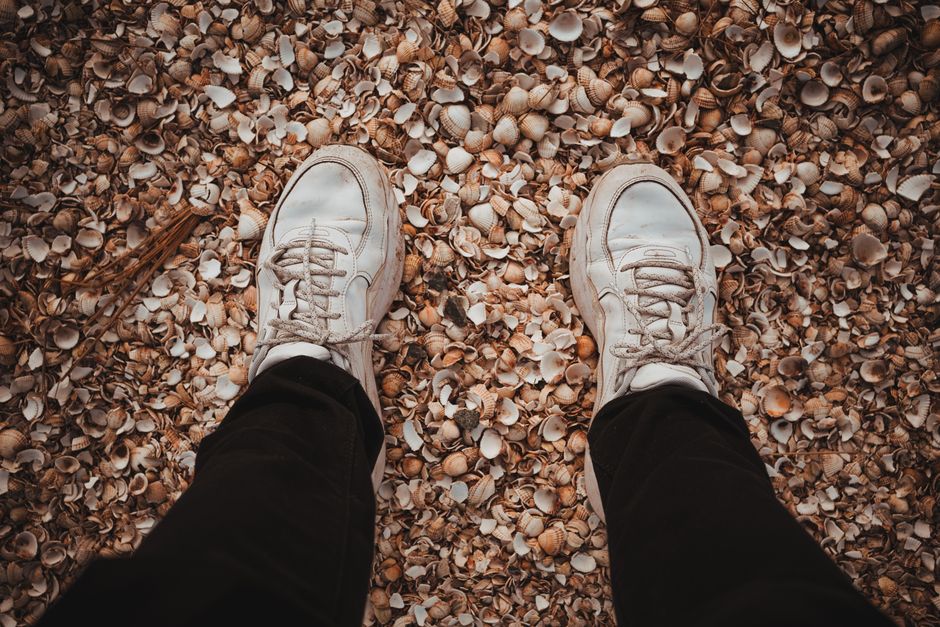
- Step 3: Measure your foot . Place your heel against a wall, mark the longest toe, and measure both feet in millimeters. Use the larger measurement against the brand’s size chart. Leave about 8–12mm in front of the longest toe.
- Step 4: Budget for care. Add a soft brush, neutral leather cleaner, and water-repellent treatment to the purchase cost. A $15 care kit can keep a white pair wearable far longer than aggressive scrubbing can.
Reject these common shortcuts
- Do not treat the word eco as proof of a lower-impact supply chain.
- Do not buy a white sneaker for running, court sports, or long hikes. Flat lifestyle soles lack the grip, stability, and impact control those activities need.
- Do not size down to stop heel movement. A tight toe box creates creases and pressure that make the shoe uncomfortable before the upper has softened.
- Do not compare sale price on one brand with full price on another. Compare normal listed prices first, then treat discounts as a bonus.
The verdict is simple: a transparent material list, correct sizing, and realistic use matter more than a sustainability badge.
How do you keep white leather sneakers looking good?
How often should you clean them?
Brush loose dirt from the upper and outsole after every few wears. For a visible mark, use a barely damp cloth and a small amount of neutral leather cleaner. Work in small circles, then wipe away residue with a clean cloth. Leave the shoes at room temperature for at least 24 hours before wearing them again. Stuffing them with plain paper helps the upper hold its shape while it dries.
Can you machine-wash white sneakers?
No. A washing machine can soak leather, loosen cemented layers, stain suede panels, and distort the insole. It can also spread dirt from the rubber edge across the upper. Keep the laces separate, wash them by hand, and clean the rubber sidewall with a soft brush and diluted soap. Never use bleach on leather, printed logos, or colored suede.
When should you stop repairing them?
Replace laces when they fray, refresh the insole when it loses support, and ask a shoe repairer about loose stitching before the opening spreads. Stop investing when the outsole is smooth across the main flex point, the heel has tilted, or the upper has split through a high-stress crease. Care extends the useful life, but it cannot turn a worn sole into a safe one. For most owners, gentle cleaning every few wears and alternating between two pairs offers the best balance of appearance and lifespan.
Which sneaker should you buy in 2026?
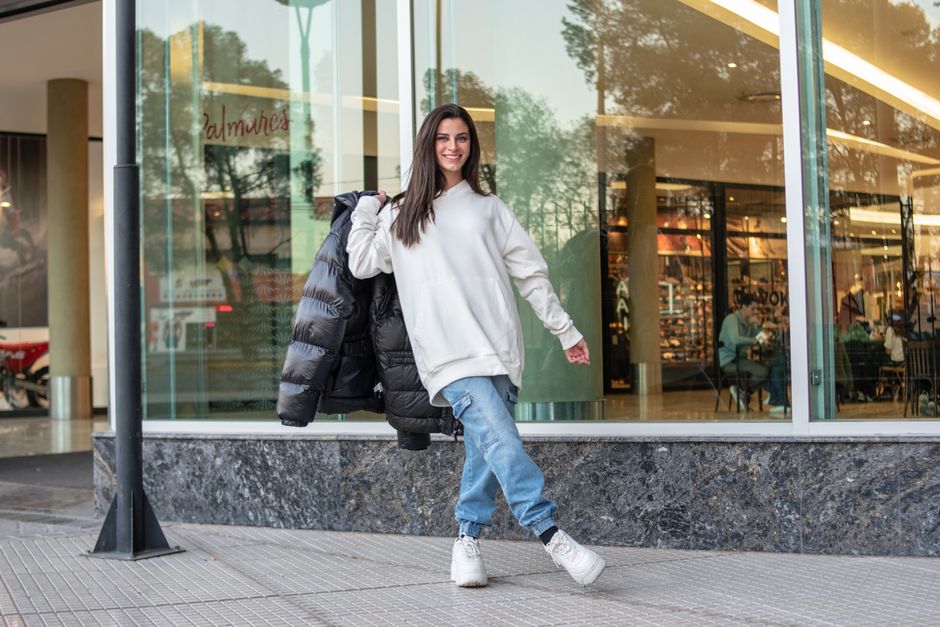
My overall pick is the VEJA Campo Leather White Black. It delivers the cleanest balance of price, outfit range, and material transparency. At $175, it costs less than the main Autry Medalist options listed above, works with both casual and polished clothes, and does not rely on an oversized sole to look current.
Buy Veja for value and a lower-key wardrobe
Pick the VEJA Campo if you want one white sneaker for jeans, chinos, trousers, travel days, and casual offices. Pick the VEJA Recife Leather White Black at $180 if a strap closure suits your routine. Choose the VEJA V-10 if the larger logo, stronger side-panel contrast, and slightly more athletic heritage appeal to you. Veja is also the better brand for shoppers who want more visible information about recycled and bio-based components.
Buy Autry for comfort-led retro styling
Choose the Autry Medalist Low in White Leather and Suede at $245 when the shoe’s padded collar, layered upper, and 2.5–3.5cm sole are the point of the purchase. It is the stronger match for wide-leg denim and outfits that need a heavier sneaker shape. Skip Autry if you want a barely-there profile, the lowest full-price cost, or a brand with a more detailed public material story.
The single most important takeaway is this: choose Veja for the best evidence-led value, and choose Autry only when its chunkier retro shape is worth the extra cost.