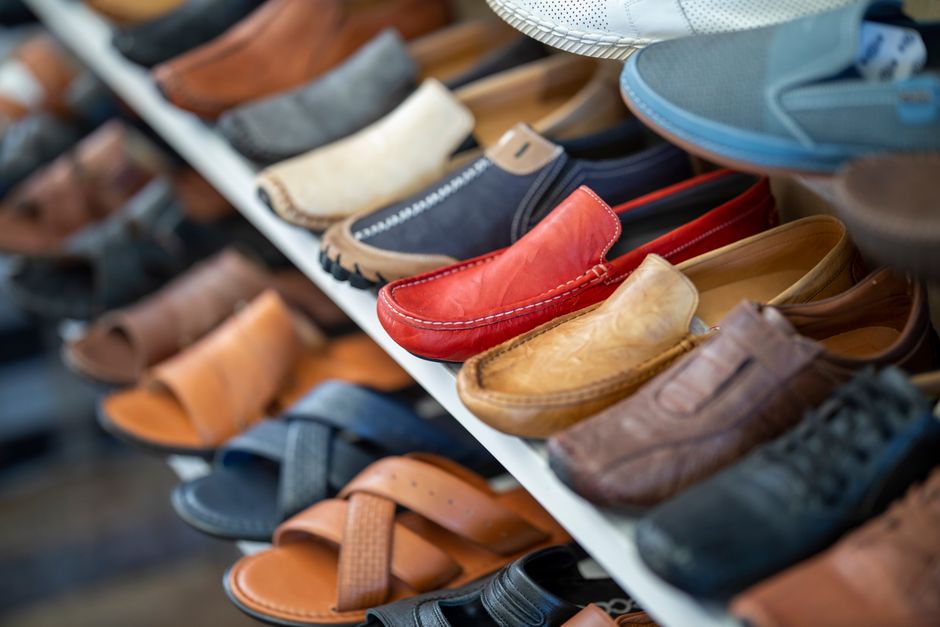
Breathable Loafers For City Walking: Breathable Loafers: Avoid Hot Feet on City Walks
You leave home in a crisp pair of loafers, walk three subway stops, and reach lunch with sweaty feet and a heel that is already rubbing raw. May weather makes the problem worse because mornings can feel cool while paved streets turn warm by noon. The fix is not simply buying a softer shoe; it is choosing the right upper, sole, fit, socks, and walking distance.
Why loafers feel unbearable by noon
Loafers exist for a useful reason: they give you the polish of a dress shoe without laces or a heavy boot. That convenience creates a design compromise. A slip-on has to hold your foot through the vamp and heel, so brands often build it with a close-fitting upper, a stiff counter, and a fairly flat sole. Those parts look neat, but they can trap heat and create friction during a long city walk.
Airflow starts with the upper
Breathability comes from how easily heat and moisture leave the shoe. An unlined leather upper can release some moisture over time, while a dense synthetic lining can hold it against your skin. A knitted upper may feel cooler because it flexes and has fewer thick layers, but knit does not automatically mean airy. Tight recycled yarn can still behave like a warm fabric. Look for visible weave, perforations, or a lining that does not cover the entire interior. Avoid shiny, heavily coated uppers when the forecast is warm; they usually prioritize appearance and water resistance over airflow.
The sole controls fatigue and rubbing
Hot feet are only half the problem. A thin, rigid sole makes you load the same pressure points on every pavement crack, while a very soft sole lets your foot slide inside the shoe. Bend the shoe at the ball of the foot, not through the middle. If it folds in half or refuses to bend at all, it is a poor choice for a full day on concrete. For May city walking, a breathable upper matters, but a secure, moderately flexible sole decides if you finish the day comfortably.
How to test a loafer before buying
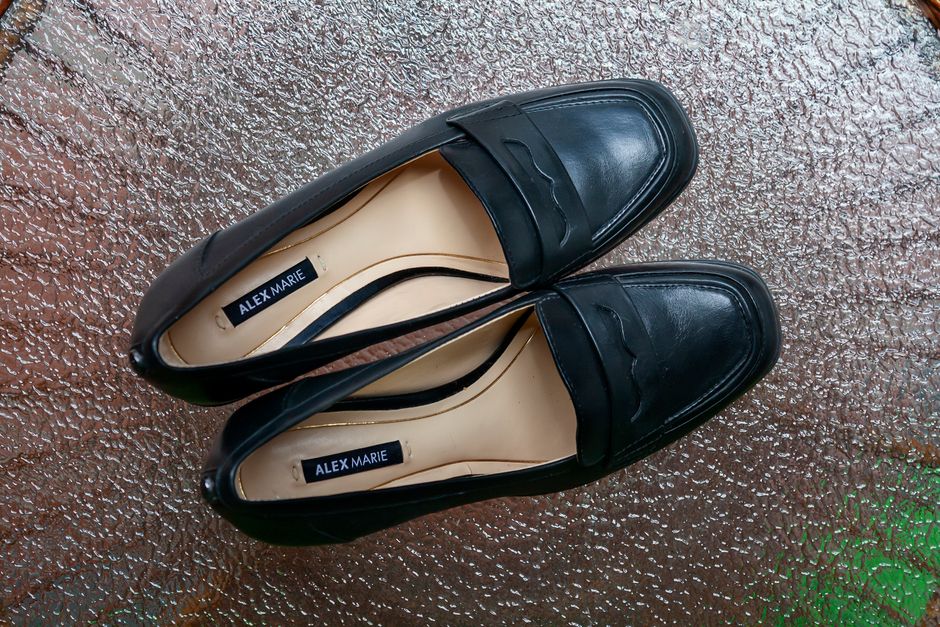
Do not judge a loafer by standing still in a store mirror. City walking exposes fit problems that a five-minute try-on can miss. Use this test before buying, ideally while wearing the socks you will use in May.
Run the five-minute fit check
- Measure both feet late in the day, when they are slightly larger. Use the longer foot when choosing size.
- Press your thumb across the widest part of the shoe. Your toes should spread without pushing against the sides.
- Walk briskly for three minutes. Your heel can lift slightly, but it should not slide enough to make your toes grip the floor.
- Stand on one foot and bend the other knee. If the vamp cuts into the top of your foot, the shoe will feel worse after several hours.
- Check the toe box with your longest toe. Leave roughly 10 to 12 millimeters of space, especially if you expect a 10,000-step day.
Read the construction, not the sales copy
Words such as comfort, cloud, and breathable mean little without construction details. Check for an unlined or lightly lined interior, a removable footbed if you need an insert, a rubber outsole with visible traction, and a heel counter that holds its shape. A loafer that feels loose because it is soft is not a good bargain. Your foot will move inside it, and that movement creates blisters faster than a firm shoe that fits correctly.
Buy from a retailer with a real return window. Wear the shoes indoors on a clean floor for 20 minutes, then inspect your heels and the tops of your feet. Red marks are evidence, not something to break in and hope away.
Which loafer upper stays coolest in May?
The clearest choice for warm, dry walking is a flexible knit upper. Leather wins for structure and polish, but it needs the right construction: unlined leather is more tolerable than padded, coated leather. Patent finishes are the weakest choice for heat because the surface does not release moisture well. These are useful 2026 reference points, but none of them turns a loafer into a walking sneaker.
My pick for a warm May commute
Choose Rothy’s The Driver if your route is mostly pavement, your outfit needs a clean loafer shape, and you want a shoe that can be washed after a sweaty day. Its flexible knit upper and cushioned insole solve the two biggest commuter complaints: trapped moisture and a harsh first step. The tradeoff is appearance and support. It looks more casual than a traditional leather penny loafer, and the flexible upper cannot replace a proper walking shoe for very high mileage.
My pick for polish
Choose the Vagabond Alex W if the outfit matters more than maximum airflow. Keep the walking plan moderate, wear thin moisture-wicking socks, and do not start with a full sightseeing day.
Five May mistakes that cause hot feet
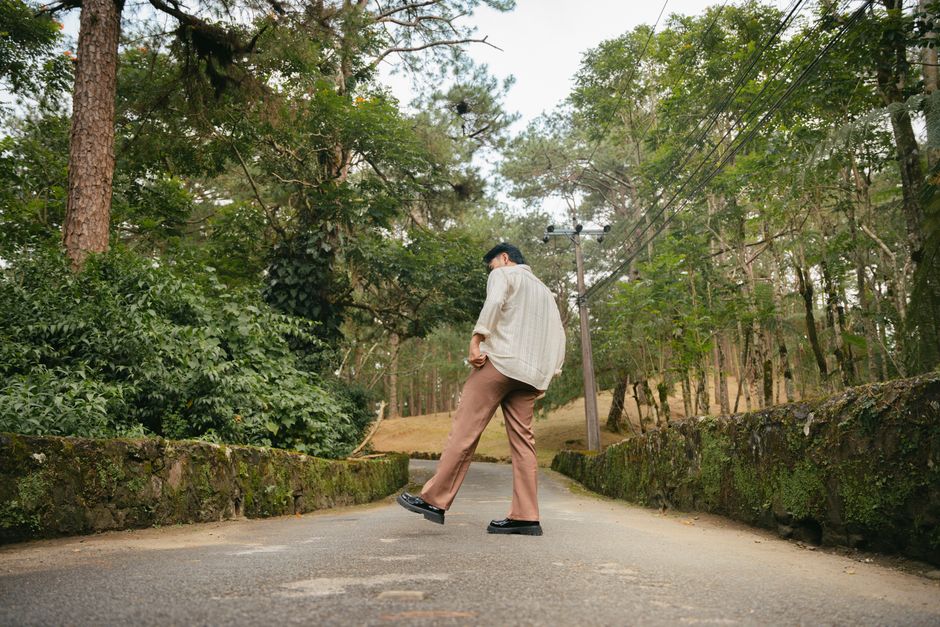
Most loafer discomfort comes from a small mistake repeated for hours. Fix these before blaming your feet or the shoe category.
Mistakes to remove from your routine
- Buying the morning size. Feet swell as the day progresses. A snug morning fit can become a painful afternoon fit.
- Wearing thick cotton socks. Cotton absorbs sweat and stays damp. Choose thin merino, technical nylon, or a low-cut liner that stays flat.
- Starting with a 12,000-step day. New leather needs gradual wear. Use the shoes for 30 to 60 minutes indoors, then short errands, before trusting them on a long route.
- Ignoring heel slip. A loafer should not need your toes to grip it in place. If your heel lifts repeatedly, try a different size, width, or heel grip before adding padding everywhere.
- Trusting a smooth outsole in spring rain. Wet metal covers, painted crossings, and stone paving punish flat leather soles. Look for rubber traction and a tread pattern deep enough to see.
What to do when the shoe is almost right
Small fit adjustments can save a good pair. Use a thin heel grip only when the shoe fits at the forefoot and slips slightly at the back. Add a low-volume insole only if the shoe has extra room; a thick insert reduces airflow and steals toe space. Apply blister tape before a long walk, not after the skin breaks. If the shoe pinches the little toe, creates numbness, or leaves a hard red line after 20 minutes, return it. No break-in period fixes a fundamentally wrong shape.
The biggest mistake is treating breathability as a substitute for fit. A cool shoe that slides is still a bad walking shoe.
Are loafers the right shoe for your May route?

Are loafers suitable for 10,000 steps?
Yes, if the route has ordinary pavement, the shoe bends at the forefoot, and the heel stays secure. Rothy’s The Driver is the strongest pick among the named options for a warm, dry day because its knit upper handles moisture better than coated leather. For 15,000 steps, steep hills, or several hours standing, choose a real walking sneaker instead. A loafer gives you style; it does not give you unlimited cushioning.
Should you wear loafers if rain is likely?
Only if you can accept wet feet or have a second pair at work. Knit loafers dry more easily than thick leather but do not create a waterproof barrier. Leather loafers resist a light splash better, yet water can stain the upper and soften the structure. On a stormy forecast, a water-resistant sneaker or low boot is the smarter purchase. Do not sacrifice traction for a sharper outfit on slick pavement.
When should you skip breathable loafers entirely?
Skip them when you need serious arch support, have a foot condition that requires a prescribed shoe, or plan to walk on uneven ground for most of the day. Choose a sneaker with laces when your foot needs adjustable hold, and choose sandals only when the route is dry and your feet tolerate exposed straps. For a normal May commute, though, a well-fitted knit loafer delivers the best balance of polish, airflow, and easy dressing.
For May city walking, buy the coolest upper you can fit securely, then let the day’s distance decide whether a loafer belongs on your feet.