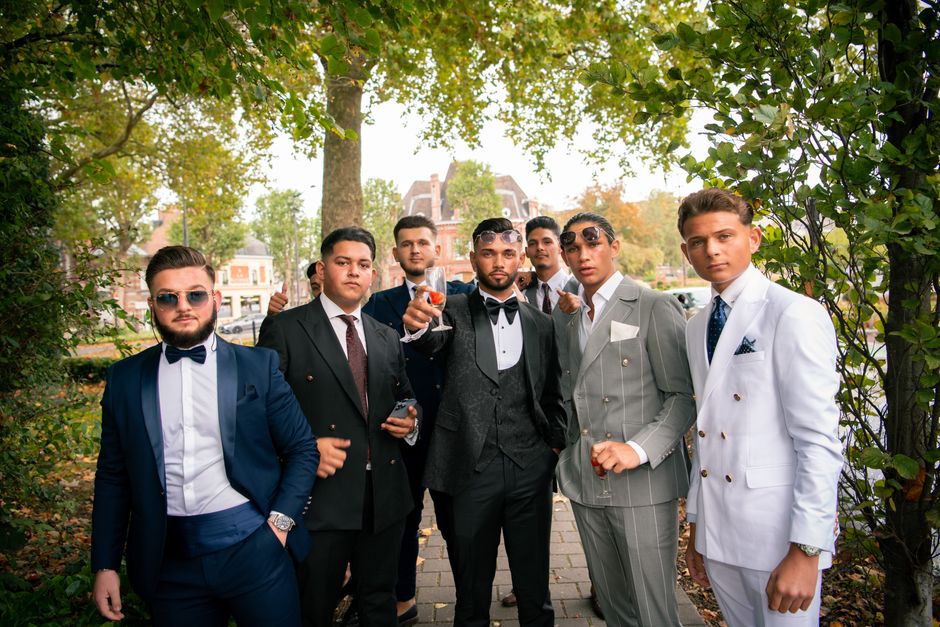
Black Tie Optional Outfits: 6 Elegant Outfits for a Black-Tie Optional Event
The invitation arrives. Heavy cardstock. Engraved lettering. And there it is: Black-Tie Optional. Your stomach drops. Not because you don’t own nice clothes, but because those three words sit in the dead zone between “wear your best suit” and “rent a tuxedo.” Most people overthink this. They either show up in a rented polyester tux that fits poorly, or they under-dress in a business suit and spend the evening feeling like they missed a memo.
Here’s the actual rule: “optional” means the host wants the elegance of black-tie without forcing guests to spend money on formalwear. You have permission to wear something less than a tuxedo. But you still need to look like you belong at the same party as people wearing tuxedos. This is not a “dress down” invitation. It’s a “dress smart” one.
What “Black-Tie Optional” Actually Means in 2026
The term emerged in the 1960s as formalwear rental shops declined and hosts wanted to reduce guest anxiety. But in 2026, the definition has sharpened. Event planners and etiquette consultants—particularly those associated with the Emily Post Institute and Debrett’s in London—generally define it this way: a tuxedo is always correct, but a dark formal suit with elevated accessories meets the minimum standard.
The confusion comes from the word “optional.” It doesn’t mean the dress code is optional. It means the black-tie uniform is optional. The formality level is not. You’re still dressing for an evening event where photographs will be taken, champagne will be served, and someone will be wearing a floor-length gown.
For Men: The Two Acceptable Paths
Path one: wear a tuxedo. Black or midnight blue. Peak lapel or shawl collar. Single button. Patent leather shoes. This is the safe choice and always appropriate. Path two: wear a dark formal suit. This is where men make mistakes. A navy business suit with a spread-collar shirt and a striped tie is not formal enough. You need a suit that reads as evening, not boardroom.
The distinction matters. A formal evening suit should be charcoal or darker, in a fabric with some sheen—worsted wool with a high thread count, or a wool-mohair blend. The shirt must be white with a semi-spread collar and French cuffs. The tie should be black silk, either a solid satin or a very subtle pattern like a micro-dot. And the shoes: black cap-toe oxfords polished to a mirror finish. Not loafers. Not brogues. Not monk straps.
For Women: The Floor-Length Baseline
Women’s black-tie optional dressing has more flexibility in silhouette but the same formality floor. A floor-length gown is always correct. A formal cocktail dress—knee-length or midi, in a luxe fabric like silk charmeuse, velvet, or heavy crepe—is the minimum. The key differentiator from standard cocktail attire is fabric weight and embellishment. Sequins, beading, and metallics that would look excessive at a wedding welcome dinner are appropriate here.
Jumpsuits have earned their place in the formalwear rotation. But the jumpsuit must be evening-weight: think crepe, not linen. Wide-leg silhouette. Often with a dramatic neckline or back detail. Pair it with heeled sandals and a clutch, and it reads as formal as any gown.
Outfit 1: The Midnight Blue Tuxedo (Men’s Safest Bet)
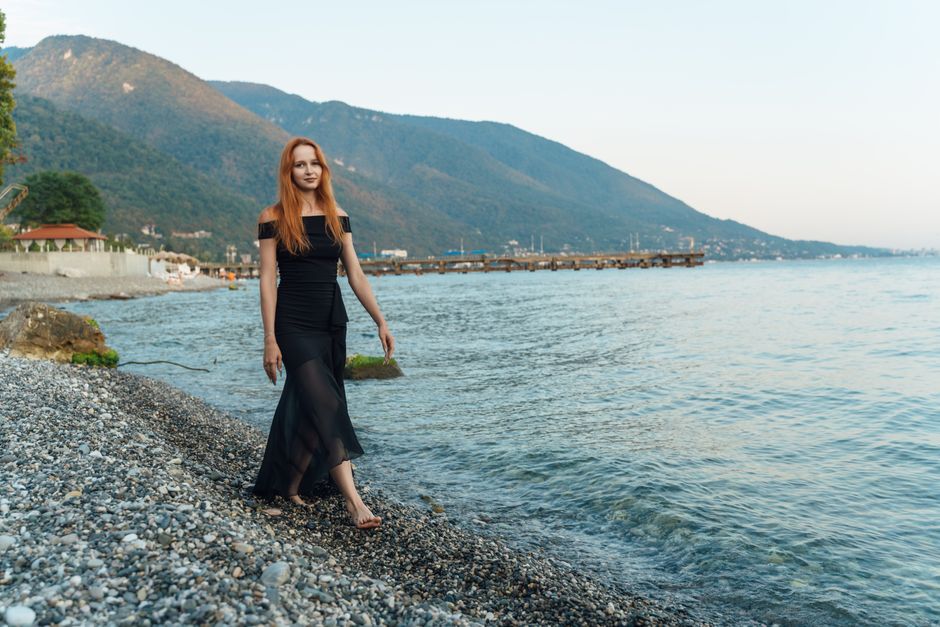
If you own one piece of formalwear, make it a midnight blue tuxedo. Under artificial light, midnight blue reads as deeper and richer than black. Photographers prefer it. It photographs as a more dimensional black, while true black can look flat or slightly green under flash.
| Component | Specification | Why It Matters |
|---|---|---|
| Jacket | Midnight blue wool-mohair blend, peak lapel, single button | Mohair adds subtle sheen that reads as evening. Peak lapel is more formal than notch. |
| Trousers | Matching fabric, satin stripe down outseam, no belt loops | The satin stripe matches the lapel facing. No belt loops means you’re wearing suspenders, which is correct. |
| Shirt | White cotton piqué, semi-spread collar, French cuffs | Piqué has texture. It’s not a business shirt. The bib front is optional but traditional. |
| Shoes | Black patent leather opera pumps or plain-toe oxfords | Patent leather is evening-specific. No broguing. No open lacing. |
| Accessories | Black silk bow tie (self-tie), mother-of-pearl cufflinks, white linen pocket square | Self-tie bow tie is non-negotiable. Pre-tied looks like a costume piece. |
The self-tie bow tie is the hill I’ll die on. A pre-tied bow tie has perfectly symmetrical loops and no character. A self-tie bow tie, even slightly imperfect, signals that you understand the language of formalwear. It takes fifteen minutes to learn on YouTube. Do it.
Outfit 2: The Dark Suit That Passes Inspection (Men’s Alternative)
Not everyone wants to buy a tuxedo for one event. Fine. But your dark suit needs upgrading. A charcoal worsted wool suit from Suitsupply or Spier & Mackay in a “traveler” or “performance” fabric will not work. Those fabrics have a matte finish and wrinkle-resistant treatment that reads as business-appropriate, not evening-appropriate.
What works: a suit in a wool-mohair blend or high-super-count wool (Super 140s or above) with a subtle sheen. The color should be charcoal or darker. Navy can work, but it’s riskier—it reads as less formal and can look like a wedding guest suit under certain lighting. Pair it with a white shirt with French cuffs, a black satin tie, black cap-toe oxfords, and a white linen pocket square. No tie bar. No lapel pin. No watch with a metal bracelet—wear a dress watch on a black leather strap or skip the watch entirely.
The biggest mistake: wearing a black suit. Black suits are for funerals and service industry uniforms. A black suit is not a tuxedo substitute. It lacks the satin lapels and stripe that signal “evening formal.” You’ll look like you misunderstood the assignment.
Outfit 3: The Silk Column Gown (Women’s Power Move)
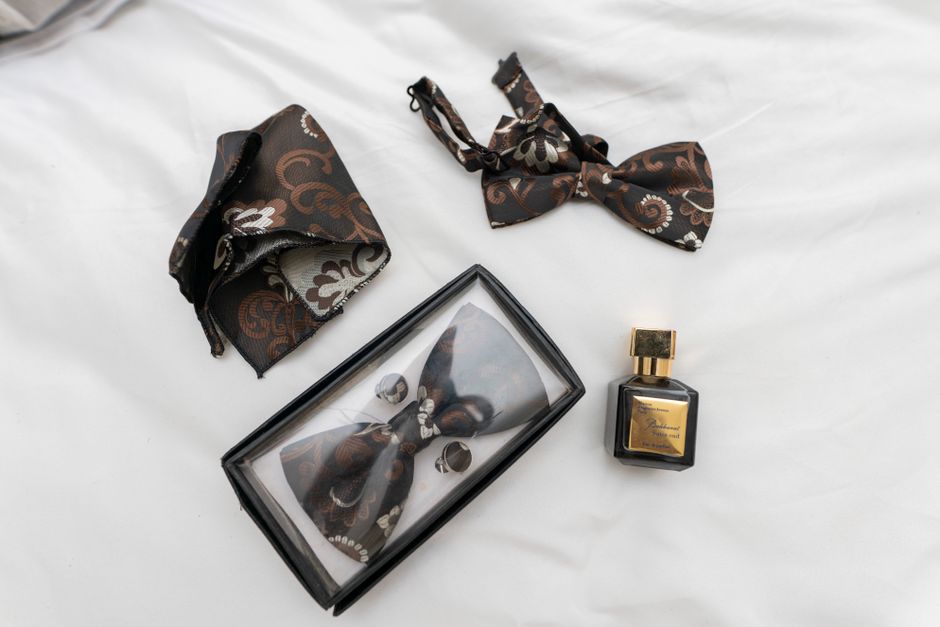
A silk charmeuse column gown in a jewel tone—emerald, sapphire, burgundy—is the single most versatile piece of women’s formalwear. It works for black-tie optional, black-tie, and even white-tie if you add the right gloves and jewelry. The silhouette is simple: bias-cut, floor-length, with a neckline that suits your frame.
The fabric does the work. Silk charmeuse catches light differently than polyester satin. It moves differently. You can spot the difference from across a room. Brands like Reformation and Amsale offer silk and silk-blend gowns in the $400-$800 range. On the higher end, Gabriela Hearst and The Row produce versions that will last decades. The investment is worth it if you attend even one formal event per year.
Style it with a single dramatic piece of jewelry—a cuff bracelet or chandelier earrings, not both. Metallic heeled sandals. A clutch in a contrasting texture, like beaded or metal-mesh. Hair up or back to show the neckline.
Outfit 4: The Formal Jumpsuit (Women’s Modern Option)
The formal jumpsuit has been fully accepted in black-tie optional settings since roughly 2018, and by 2026 it’s unremarkable in the best way. No one will question it. The requirements: wide-leg silhouette, evening-weight fabric, and intentional styling.
Look for crepe, heavyweight jersey, or velvet. The neckline should be interesting—a deep V, a halter, a one-shoulder. The waist should be defined, either through the cut or with a self-fabric belt. Brands like Alex Perry, Norma Kamali, and Roland Mouret specialize in this category. For a more accessible price point, Reformation and ASTR the Label offer versions in the $200-$400 range.
The styling separates a formal jumpsuit from a daytime one. Heels are mandatory—the wide leg needs the height to create the right proportion. Add a statement earring and an updo. The overall effect should read as “alternate gown” not “dressy romper.”
Outfit 5: The Velvet Dinner Jacket (Men’s Creative Black-Tie)
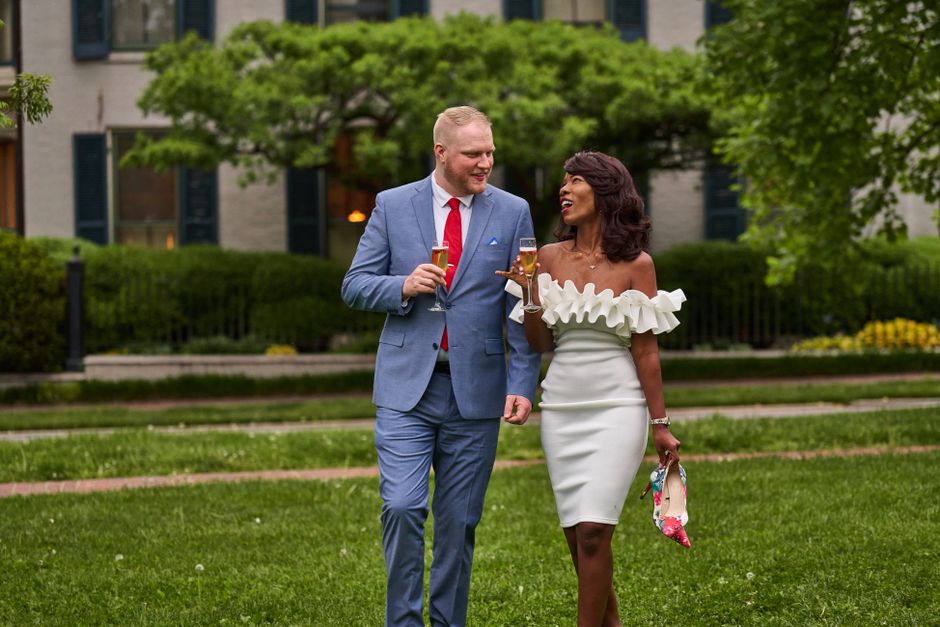
This is the advanced move. A velvet dinner jacket in burgundy, forest green, or midnight blue, paired with black tuxedo trousers. It’s black-tie in spirit but not in letter. It works beautifully for black-tie optional events, particularly those with a creative or festive element—gallery openings, New Year’s Eve parties, winter weddings.
The jacket must be velvet, not velveteen. Cotton velvet is acceptable; silk velvet is better. It should have a shawl collar, often in a contrasting satin. Wear it with tuxedo trousers (the ones with the satin stripe), a white evening shirt, and black patent leather shoes. The bow tie can be black or you can skip it and wear the shirt open with the collar over the lapels—a 1970s move that has returned in the 2026s.
Do not wear this to a summer event. Velvet is a cold-weather fabric. For warm-weather creative black-tie, substitute a white or ivory dinner jacket in a lightweight wool or linen-silk blend, paired with black tuxedo trousers. This is the classic “Palm Beach” look and it’s perfect for destination weddings and summer galas.
Outfit 6: The Embellished Cocktail Dress (Women’s Strategic Short Option)
Floor-length is the default for a reason. But a heavily embellished cocktail dress—knee-length or midi, covered in sequins, beading, or metallic jacquard—can absolutely work for black-tie optional. The embellishment is what elevates it. A simple silk cocktail dress in a solid color reads as cocktail attire, not formal. Add all-over sequins or a metallic brocade, and suddenly it belongs at the same event as gowns.
Brands like Retrofête, Self-Portrait, and Rotate Birger Christensen build entire collections around this concept. These are party dresses with formal ambitions. The styling makes the difference: pair with a heel that’s elegant, not clubby—think a strappy sandal with a stiletto heel, not a platform pump. Add a small structured bag. Keep jewelry minimal since the dress is already doing the work.
The risk here is looking like you’re dressed for a different event. If the invitation says “black-tie optional” and the venue is a ballroom or historic estate, lean toward floor-length. If it’s a rooftop, a modern art museum, or a restaurant buyout, the embellished cocktail dress is a strong choice.
Common Mistakes That Undermine the Whole Look
- The rental tuxedo that doesn’t fit. Rental tuxedos are cut generously to fit the widest range of bodies. This means they fit almost no one well. If you rent, budget time and money for a local tailor to adjust the sleeve length and trouser break. Most rental companies allow minor alterations.
- Wearing a business watch. A steel sports watch on a bracelet, no matter how expensive, looks wrong with black-tie. Formalwear calls for a thin dress watch on a leather strap, or no watch at all. The rule comes from a time when checking the time at a social event was considered rude—the watch was purely decorative.
- Skipping the pocket square. A white linen pocket square costs $15 and completes the outfit. It’s the smallest detail that makes the biggest difference. Without it, a tuxedo or formal suit looks unfinished.
- Wearing a necktie instead of a bow tie with a tuxedo. A tuxedo shirt has a bib front and a wing or spread collar designed for a bow tie. A necktie exposes the wrong parts of the shirt and looks like you’re fighting the design of the garment.
- Choosing the wrong shoes. For men, the only correct shoes with a tuxedo are patent leather opera pumps or plain-toe patent oxfords. For women, the heel should be formal—no block heels, no wedges, no espadrilles. The shoe sets the formality floor for the entire outfit.
The invitation said “black-tie optional” and you froze. That was six paragraphs ago. Now you know: the midnight blue tuxedo is the safest bet, the velvet dinner jacket is the power move, and the silk column gown works every time. The word “optional” isn’t a trap. It’s permission to be strategic. Pick your outfit, press it properly, and walk into that event knowing you got the assignment exactly right.