
Ethical Wardrobe: A Practical Route to Better Buying
Start With a Closet Audit, Not a Shopping Ban
How do you build an ethical wardrobe without throwing away half your clothes or spending a fortune? Start with the clothes already hanging in your wardrobe. My strongest recommendation is simple: buy nothing for 30 days while you measure what you actually wear. This reveals the real problem faster than a long list of ethical brands.
Count wears before you count labels
Pull every item out and sort it into four groups: worn weekly, worn sometimes, never worn, and damaged. Write down why the neglected pieces stay untouched. A scratchy seam, poor fit, awkward colour, missing button, or fabric that wrinkles after ten minutes can matter more than a brand’s sustainability page. Keep a note on your phone with the gaps you find. You may discover that you need one black T-shirt and a better rain jacket, not a complete new aesthetic.
Check your laundry basket too. It shows your real uniform. If the same three shirts appear every week, those garments deserve repair or replacement with stronger versions. Clothes that never leave the wardrobe should not receive more company.
Use a wear-per-pound target
Set a basic test before buying. Divide the full price by the number of wears you expect during the first year. A £30 top worn twice costs £15 per wear. A £120 jacket worn 40 times costs £3 per wear. This does not prove that a garment is ethical, but it stops low prices from disguising waste.
| Wardrobe finding | Best next action | Budget target |
|---|---|---|
| Good fit, minor damage | Repair or alter it | £5-£25 |
| Useful item worn weekly | Replace only when worn out | Save for quality |
| Never worn, good condition | Swap, resell, or donate carefully | £0 |
| Missing everyday basic | Buy one tested replacement | £25-£150 |
Verdict: The most ethical first purchase is often no purchase. Audit your habits, repair useful clothes, and let your next item solve a documented problem.
The Best Ethical Wardrobe Is Smaller and More Useful

Buy fewer pieces that earn their place. A smaller wardrobe wins because every item gets worn, washed, repaired, and understood. Ethical shopping is not a contest to own the highest number of organic labels. It is a way to reduce avoidable demand while paying more attention to workers, materials, and product life.
The practical rule I use is a three-outfit test. Before buying, style the item with three things already in your wardrobe, using shoes and outerwear you already own. If you cannot make three workable outfits, leave it. A beautiful isolated piece becomes expensive clutter when it only works for one imagined occasion.
Prioritise clothes that solve repeated problems: a hard-wearing overshirt, a pair of jeans that fit your body, washable knitwear, or shoes suitable for your normal commute. Avoid buying ethical versions of clothes you rarely wear. A certified party dress can still be wasteful if it hangs untouched for two years.
How I Check Materials, Labour, and Brand Claims
Ethical fashion has no single perfect score. A brand can use recycled polyester but provide weak information about factory wages. Another can publish factory details while relying on conventional cotton. My advice is to check three separate questions: what is the garment made from, who made it, and how long will you use it?
Read the fibre label first
For everyday shirts, choose fibres that match the job. Organic cotton can make sense for T-shirts and underwear. Linen works well for hot weather but creases easily. Recycled wool can reduce demand for new fibre, though blends may make repair and recycling harder. Tencel or lyocell offers a smooth drape and often works well in shirts and dresses. Do not treat one fibre as automatically virtuous; farming, dyeing, transport, durability, and washing all affect the result.
Look for proof, not green language
Terms such as “conscious,” “responsible,” and “eco” tell you very little alone. Look for specific evidence: a published supplier list, a clear materials breakdown, recognised certifications, repair services, and details about wages or worker standards. The Good On You app can help with a first screening, but its rating is a starting point, not a final verdict.
Five brands worth comparing
Patagonia’s Better Sweater Jacket costs about $159 and is a strong pick for casual layering because it is durable, widely repairable, and backed by a clear repair culture. Veja Campo trainers cost about $175 and suit buyers who want a simple leather or alternative-material court shoe, but their soles still need care and replacement is not always easy. Nudie Jeans Lean Dean costs about $199 and stands out for its free repair service in many locations. People Tree dresses often sit around £90-£150 and are useful for shoppers prioritising organic cotton and fair-trade production. For affordable basics, Kotn T-shirts commonly cost about $30-$40, though availability depends on location.
Verdict: Nudie Jeans is my clearest recommendation for a first ethical upgrade because repair support gives the purchase a practical life-extension plan. Pick Patagonia for layers, Veja for simple everyday trainers, and People Tree for occasion clothing.
Five Buying Mistakes That Undid My Progress
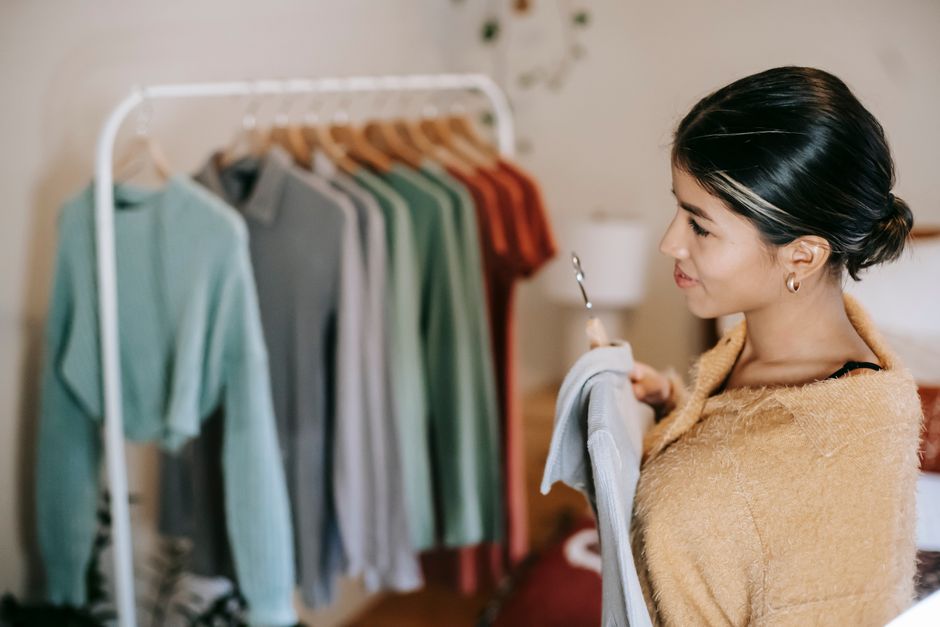
My wardrobe improved when I stopped treating good intentions as proof that a purchase was good. These five checks now happen before I pay.
- Buying a full new wardrobe at once: This creates duplicates, drains your budget, and sends usable clothes out of your home. Replace one weak category at a time.
- Confusing high price with fair treatment: A £200 jumper may use excellent wool but still offer little public information about its factory. Check the evidence behind the price.
- Ignoring care instructions: Washing a wool jumper at 40°C and tumble-drying it can ruin a durable item in one month. Use cold or low-temperature washing when suitable, air-dry most clothes, and wash knitwear less often.
- Choosing the perfect fabric over the right fit: An organic cotton shirt that pulls across the chest will not become a favourite. Fit determines wear frequency, and wear frequency matters.
- Using donation as an escape hatch: Charity shops cannot absorb every unwanted trend piece. Resell good items, repair them, swap them, or keep them for household use before donating.
Do not buy a product because its ethical story makes you feel relieved. Buy it because it fits, works with your existing clothes, and has a realistic care plan. For shoes, check the sole, stitching, and replacement options before the upper material. For denim, sit, bend, and walk in the jeans before removing the tags. For knitwear, inspect the seams and hold the fabric to the light; thin areas often show up immediately.
My clear rule: if the garment fails fit, function, or evidence, I do not buy it. A sale price does not repair any of those failures.
Ethical Wardrobe Questions I Still Ask Before Buying

Should I choose second-hand every time?
No. Second-hand is my first choice for coats, denim, occasion dresses, and leather accessories because those categories often have strong resale markets. It is less useful when you need underwear, a precise technical fit, or an item that must meet a safety standard. Buy new when hygiene, performance, or dependable sizing matters, then choose a durable item and keep it in use.
Is synthetic clothing always unethical?
No. Recycled nylon can be the right choice for swimwear, rain shells, and active clothing because it dries quickly and handles repeated movement. The bigger mistake is buying a synthetic item that pills, traps odour, or loses its shape after a few washes. Choose performance fabric for a performance job, not because “recycled” sounds impressive.
When should I avoid an ethical brand?
Avoid it when the sizing does not suit you, delivery returns are unclear, the fabric feels weak, or the brand gives broad claims without useful proof. A transparent brand still sells products that may not fit your life. The right ethical purchase is the one you can wear often, wash correctly, repair when needed, and keep for years.
What should I replace first?
Replace the item that causes the most repeat buying. For me, that was cheap knitwear that stretched after one winter. For someone else, it may be daily trainers or work trousers. Start there, set aside the money, and buy one proven replacement rather than five hopeful alternatives.
The triumph was not reaching a flawless wardrobe. It was learning to pause, ask better questions, and make each new item carry a clear job. That makes ethical dressing practical enough to keep doing.