North Face Vs Columbia Winter Coats: North Face vs. Columbia: Best Coats for Extreme Cold in 2026
What makes a winter coat warm enough for extreme cold?
A thicker coat is not automatically a warmer coat. Extreme-cold protection comes from three jobs working together: trapping body heat, blocking wind, and keeping snow or rain from soaking the insulation.
Warmth starts with trapped air
Down and synthetic insulation work by holding pockets of still air around your body. Down usually gives more warmth for less weight, while synthetic fill keeps more of its insulating power after getting damp. Fill-power numbers describe the loft of down, not the total amount of down in a coat, so a 600-fill parka can still feel warmer than a thin 800-fill jacket if it uses more insulation and has better coverage.
Wind and moisture change the result
A cold wind strips warmth from exposed fabric and makes a mild day feel dangerous. Look for a storm flap over the zip, adjustable cuffs, a sealed hem, and a hood that turns with your head. A waterproof-breathable shell matters in wet snow because soaked insulation loses loft and becomes heavy. Water resistance alone works for a short walk, not hours in falling snow.
Coverage and fit matter more than logos
A coat that reaches the upper thigh protects more of your body than a waist-length puffer. The fit should leave room for a merino base layer and a medium fleece without crushing the insulation. Test the coat with your arms crossed and raised; if the hem rides up or the cuffs pull away from your wrists, the coat will leak warmth when you move.
North Face vs. Columbia: how the main coats compare
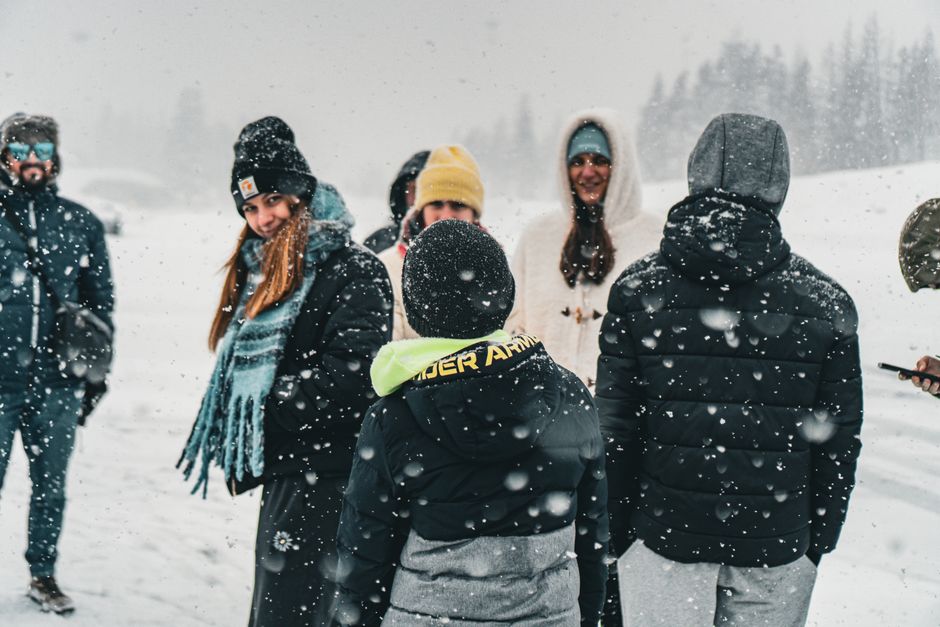
The two brands take different routes to winter warmth. The North Face leans heavily on down, long coverage, and expedition-inspired shells. Columbia often combines recycled synthetic insulation with Omni-Heat Infinity reflective lining, which keeps the price lower and handles damp weather well.
| Coat | 2026 US price | Insulation | Weather protection | Best use |
|---|---|---|---|---|
| North Face McMurdo Parka | $450 | 600-fill recycled down | Seam-sealed DryVent 2L | Cold, wet city winters |
| North Face Himalayan Down Parka | $780 | 800-fill ProDown | Targeted FUTURELIGHT panels | Alpine cold and low activity |
| Columbia Marquam Peak Fusion II | $220 | Recycled synthetic insulation | Water-repellent Omni-Shield | Budget winter commuting |
| Columbia Oak Harbor II | $200 list price | Thermarator synthetic fill | Seam-sealed Omni-Tech | Wet everyday weather |
The price gap reflects construction, not just branding
Prices checked on the manufacturers’ US product pages show a large difference. The McMurdo costs $450 and has a waterproof shell, 600-fill down, a 31.75-inch center back, and a removable faux-fur hood trim. The Marquam Peak Fusion II costs $220 and reaches 33 inches in back, but its shell is water-repellent rather than fully waterproof. The McMurdo specification page lists the exact construction details.
Choose protection before insulation numbers
For wet, windy streets, a sealed shell can matter more than a higher fill-power number. For dry, still cold, the $780 Himalayan Down Parka has the strongest insulation on this list, but most commuters do not need climbing-level performance. My overall value winner is Columbia; my harsh-weather winner is The North Face.
The best North Face coats for serious winter cold
The North Face McMurdo Parka is the best choice for most people facing extreme urban winter. It provides the right balance of down warmth, waterproof protection, thigh coverage, and usable pockets without reaching expedition pricing.
- North Face McMurdo Parka — best overall. The $450 parka uses 600-fill recycled waterfowl down, a seam-sealed DryVent 2L shell, adjustable hook-and-loop cuffs, and a 31.75-inch back length. Pick it for snowy commutes, outdoor events, and long walks where a short puffer leaves your lower back exposed.
- North Face Summit Series Himalayan Down Parka — best for the coldest dry conditions. This $780 coat uses 800-fill ProDown and Cloud Down construction to reduce cold spots. Targeted FUTURELIGHT fabric appears on the hood, yoke, outer sleeves, and lower back. It wins for alpine trips and long periods outside, but the relaxed climbing fit can feel excessive on a crowded train.
- North Face Coldworks Insulated Parka — best damp-weather alternative. At $500, it combines a waterproof DryVent 2L shell with a 50/50 blend of 600-fill recycled down and recycled polyester insulation. That blend is less vulnerable to damp patches than an all-down coat. Choose it when snow, wet wind, and changing conditions matter more than low weight.
How to style a North Face parka without looking bulky
Keep the rest of the outfit clean: straight-leg trousers, leather boots, and one visible knit layer. A black McMurdo works with charcoal wool trousers and avoids the oversized mountain look. Do not size down to make the coat appear slimmer; compressed insulation creates cold spots around the shoulders and chest.
When not to buy The North Face
Skip the premium models if you spend most winter days moving between a heated car, office, and shop. The Himalayan Down Parka is hard to justify for short trips, and down requires more care after heavy wetting. For a city buyer who wants a long coat under $250, Columbia gives the stronger practical deal.
The best Columbia coats for cold weather on a budget
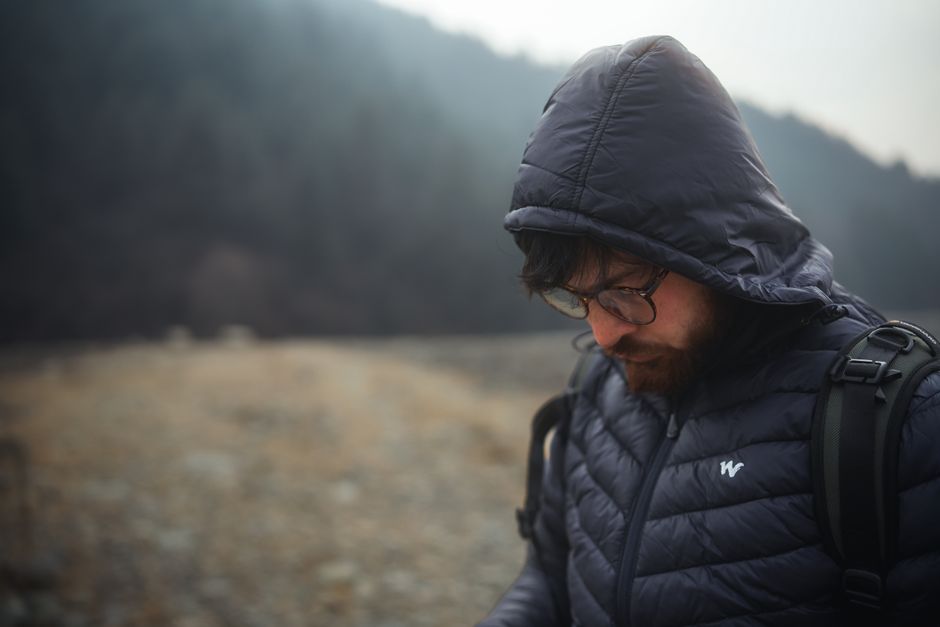
Columbia wins the budget contest because its warmest-looking parkas cost far less than comparable down coats. The trade-off is clear: you get dependable synthetic warmth and useful weather features, but not the same lightness or loft as premium down.
- Columbia Marquam Peak Fusion II Hooded Parka — best value for maximum coverage. The current $220 price buys a 33-inch center back, recycled Thermarator synthetic insulation, Omni-Heat Infinity lining, Omni-Shield water and stain repellence, adjustable cuffs, and a removable hood trim. It is the clear pick for cold commutes, outdoor markets, and anyone who wants a long, polished parka under $250.
- Columbia Oak Harbor II Insulated Jacket — best for wet daily wear. The $200 list-price coat uses recycled Thermarator insulation, Omni-Heat Infinity, and a seam-sealed Omni-Tech shell. Its 30-inch back length gives useful coverage without the bulk of a full parka. A recent brand-page sale price was $120, but stock and color availability can change quickly.
Why synthetic insulation suits messy winter weather
Synthetic fibers keep working after light rain, wet snow, or a sweaty walk. They also dry more easily than down and tolerate normal machine washing. The cost is weight: a synthetic parka usually feels less compressible, and its insulation can flatten sooner after repeated hard use.
How to get the fit right
Try a Columbia coat over a sweatshirt and a medium fleece. The hem should cover the waistband of your trousers when you sit, while the sleeves should reach the base of your thumbs with your arms relaxed. Use the drawcord hem and cuff tabs before judging warmth; loose openings can make a good insulated coat feel disappointing.
- Choose the Marquam Peak Fusion II for the longest coverage and strongest style value.
- Choose the Oak Harbor II for rain, machine-wash convenience, and a cleaner everyday silhouette.
- Do not pay full price for a discontinued color when the same construction appears in a current seasonal color.
Which brand wins for your actual winter routine?
Buy the North Face McMurdo if extreme cold means long outdoor exposure; buy the Columbia Marquam Peak Fusion II if it means daily commuting on a controlled budget. That is the useful answer because the coats solve different problems, even when both are marketed as warm winter parkas.
Is North Face warmer than Columbia?
The North Face wins at the top end. The $780 Himalayan Down Parka has 800-fill ProDown and is built for alpine conditions, while the $450 McMurdo adds 600-fill down with a waterproof DryVent shell. Columbia’s Marquam Peak Fusion II uses synthetic insulation and reflective lining, so it gives impressive warmth for $220 but feels heavier and less packable. For a weeklong cold-weather trip, North Face is the better technical buy.
Is Columbia better for wet winter weather?
Columbia is the smarter value when wet snow and frequent washing are part of the routine. The Oak Harbor II uses synthetic fill that keeps insulating after damp exposure, and its seam-sealed Omni-Tech shell gives stronger rain protection than the Marquam’s water-repellent outer fabric. For rain-heavy commuting, choose the Oak Harbor II; for dry deep cold, choose the McMurdo.
What is the final recommendation?
For most men, the North Face McMurdo is the best all-round extreme-cold coat because it combines genuine down warmth, waterproof construction, long coverage, and a price below the Himalayan. If $450 is too much, the Columbia Marquam Peak Fusion II is the best substitute. It gives you a longer cut and strong synthetic warmth for roughly half the cost.
Winter coat mistakes that make any brand feel cold

Winter coats are moving toward lighter fabrics, recycled insulation, and more precise weather protection, but the basic fitting rules will not change: first, do not buy a coat based on the warmth label alone, because warmth depends on insulation amount, shell protection, coverage, and the layers underneath; second, do not wear a thick cotton sweatshirt as your main cold-weather layer, since cotton holds moisture and chills quickly, so use a moisture-managing base layer and a fleece or wool mid-layer instead; third, check the hood, cuffs, hem, and front zip while standing outside the fitting room, because gaps around the neck and wrists leak heat faster than a small difference in fill power; fourth, avoid a coat that feels tight across the shoulders when you reach forward, since compressed insulation loses loft and makes driving or carrying a bag uncomfortable; finally, wash and dry the coat exactly as the care label says, with extra drying time for down and no fabric softener for technical shells, because poor care can flatten insulation and reduce water resistance long before the outer fabric wears out. The next generation of winter coats will likely make this balance easier, pairing lower weight with better wet-weather performance while keeping useful city-ready shapes.