Soap Bubbles
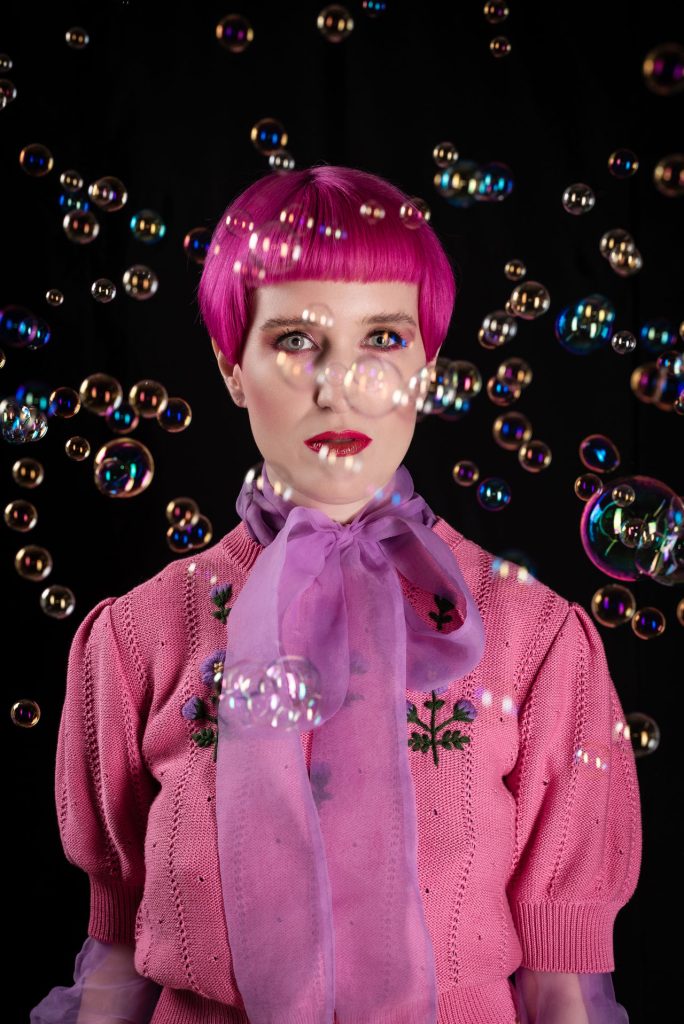
The soap bubble trend is one of the few beauty looks that actually holds up in person as well as it does on your phone screen. It’s not holographic. It’s not chrome. And it’s not as simple as grabbing any shimmery polish off the shelf.
Here’s what it actually is, what to buy, and where most people get it completely wrong.
What Makes a Finish “Soap Bubble” — And Why It’s Different From Everything Else
Most people get this wrong from the first purchase. They see a polish labeled “iridescent” or “shimmer” and assume it’s the same thing. It’s not, and the difference is immediately obvious once you know what to look for.
A true soap bubble finish shifts between multiple colors simultaneously — pink, teal, green, purple — all changing based on the angle of light hitting the nail. Not one dominant color with a bit of sparkle. A full-spectrum shift across three or more hues. That’s the defining characteristic, and the vast majority of polishes on the market don’t do it.
Regular shimmer polishes scatter light but stay in one color family. Holographic polishes create a rainbow effect from a single dominant base color. Chrome finishes are mirror-metallic, single-tone, highly reflective. Soap bubble polishes specifically contain multichrome particles — ultra-thin mica flakes or polymer films — that create thin-film interference. It’s the same optical phenomenon that makes real soap bubbles iridescent in sunlight.
Here’s the physics: light waves bounce between the layers of those particles. Depending on the thickness of those layers and the wavelength of the light, certain colors amplify and others cancel out. As the viewing angle changes, different wavelengths are affected — hence the shift. This isn’t a dye or pigment effect. It’s structural color.
Why Nails Are the Best Canvas for This Effect
Flat, hard nail surfaces let light reflect cleanly and consistently across the whole surface. Fabric carries the effect but with less clarity — the weave texture diffuses the color shift. Skin works on high points like cheekbones and eyelids, but natural skin texture prevents the sharp, clean shift you get on nails. If you want to test the look before committing to a manicure, the nail is the only place where it will look exactly as intended.
The Label Words That Signal the Real Thing
When shopping, look for these specific descriptors: “multichrome,” “color-shifting,” “duochrome,” “flakie,” or “aurora finish.” Any polish that only says “shimmer,” “sparkle,” or “glitter” is not the same product. You want the angle-dependent shift, not static sparkle — and the language on the bottle will tell you which you’re getting if you know what to look for.
The Nail Polishes That Actually Deliver the Soap Bubble Effect
Holo Taco is the clearest starting point for anyone new to this. Created by Simply Nailogical, their Rainbow Milk and Unicorn Skin multichrome formulas run $13 per bottle and hit the soap bubble color range — pink to blue to green — with real consistency. The formula is well-made, the particle size is calibrated correctly, and the color shift shows up in normal indoor lighting, not just in direct sunlight. That last part matters more than most people realize. A lot of special-effect polishes look flat inside and only pop outdoors.
ILNP (I Love Nail Polish) is where serious collectors go after Holo Taco. Their Ultra Chrome Flakies and Mega collection hit the soap bubble aesthetic precisely. Specific standouts: Supernova shifts green to teal to purple; Mermaid runs blue to violet to red copper. Prices are $10–$12 a bottle. The formula runs slightly thicker than Holo Taco, which makes thin-coat discipline even more critical.
Cirque Colors is the indie option worth tracking down. Their Stained Glass finish uses a near-clear base packed with color-shifting flakies — structurally the closest single-bottle replication of an actual soap bubble you’ll find. Around $14 a bottle. Their small batches sell out, so watch their restocks.
At the drugstore level, Sally Hansen Miracle Gel Chrome in Aurora or Steel-Her Heart gets you into duochrome territory — two-color shift, not the full multichrome spectrum. Good for testing whether you like the general vibe before spending more. Not the real effect, but a useful entry point.
Always Apply Over a Dark Base
Apply every multichrome or flakie polish over a black or deep dark base. Always. The dark background amplifies color contrast dramatically — over nude or clear, you lose about 40% of the visual impact because there’s nothing for the color shift to play against. One coat of black under two thin coats of multichrome is the formula that works. Don’t skip this step thinking the polish is strong enough to stand alone.
Brands to Skip in This Category
Most mainstream brands — OPI’s standard lacquer range, Essie’s core line, CND Vinylux — don’t offer true multichrome. They have glitter, shimmer, and foil finishes, but not the color-shifting particle type. OPI Chrome Effects (the powder system) is the exception, though it produces a stronger mirror chrome than a soap bubble shift. Know what you’re buying before you spend the money.
The One Mistake That Ruins the Whole Effect
Thick coats. That’s it.
Every multichrome and flakie polish requires thin, even coats with real drying time between them. One thick coat clumps the shift particles, muddles the color range into a brownish fog, and dries uneven. Two thin coats with two full minutes in between will outperform one thick coat every single time, no exceptions. If you apply it thick because you want faster coverage, you’re actively destroying the effect you paid for.
How to Apply Soap Bubble Nails Step by Step
This sequence works. Every step has a reason.
- Wipe nails with nail polish remover — even if there’s no old color on them. Removes skin oils that prevent adhesion.
- Lightly buff the nail surface to remove gloss. Not deep scratches — just enough to dull the shine.
- Apply base coat. Essie Here to Stay Base Coat ($10) or OPI Natural Nail Base Coat ($11) are both consistent performers.
- Apply one full coat of black or deep navy polish. Let it dry — at least three minutes, not one.
- Apply the first thin coat of multichrome polish. Light hand, one smooth pass per section. Don’t go back over wet areas.
- Wait two full minutes. Set a timer.
- Apply a second thin coat if needed for coverage or intensity.
- Wait another two minutes.
- Finish with a high-gloss top coat. Holo Taco Glossy Taco ($11) is made specifically to work with flakie and multichrome formulas without dulling or dragging the particles.
Total active work time: about 20 minutes. Total time including drying: plan for an hour. Rushing the drying stages is where most people lose the result.
The Patting Technique for Flakie Polishes
For flakie-style polishes specifically, try patting the polish onto the nail rather than dragging it with the brush. Use a small fan brush or a cosmetic sponge to press the product onto the nail. Patting keeps the flat flakie particles lying parallel to the nail surface, which maximizes their color-shifting surface area. Dragging with a standard brush can stand them upright at angles, cutting the effect by a significant margin.
Extending Wear Without a Full Redo
Multichrome polishes chip at the tips faster than standard lacquers because of the particle size and formula density. Reapply a fresh layer of top coat every two to three days. That single habit extends wear from three days to a full week without needing to redo the base layers.
Soap Bubble vs. Holographic vs. Chrome: What’s Actually Different
| Finish Type | Color Behavior | Best Base Color | Application Difficulty | Best Brand to Try First |
|---|---|---|---|---|
| Soap Bubble / Multichrome | Shifts between 3+ colors by viewing angle | Black or deep dark | Moderate — thin coats critical | Holo Taco, ILNP |
| Holographic | Scatters rainbow spectrum from one base color | Any color works | Easy — very forgiving | Holo Taco Linear Holo, Color Club Halo Hues |
| Chrome / Mirror | Single metallic mirror finish, no color shift | Gel base or specific primer | Easy (powder) to hard (liquid) | OPI Chrome Effects, Kiara Sky Chrome |
| Duochrome | Shifts between exactly 2 colors | Dark or nude | Easy | Cirque Colors, Zoya |
| Iridescent Shimmer | Glow effect, no defined color shift | Any | Very easy | Essie, Sally Hansen |
Chrome is the most photogenic for flat, bright shots. Multichrome is the most impressive in motion and in real life. Holographic is the most beginner-friendly — forgiving, consistent, and very photogenic without any of the application precision that multichrome demands. If you’ve never tried special-effect polishes before, start with holographic and work up.
Soap Bubble Makeup: Narrower Territory Than You Think
The effect translates to makeup, but with much tighter constraints than most tutorials admit. Nails work because the surface is flat, rigid, and held still. Skin is textured, soft, and constantly moving — which diffuses the clean color shift into something closer to “glow” than the actual soap bubble effect.
Two areas genuinely work.
Eyelids are the strongest option. A tight, flat lid held still picks up multichrome pigment cleanly enough to show the real shift. Pat McGrath Labs PermaGel Ultra Glitz pigments ($38 per single shade) are the gold standard — genuine multichrome payoff that photographs and shows movement in real light. Expensive. For something more accessible, NYX Professional Makeup Face and Body Glitter ($9) gets you close to the iridescent range without the multichrome precision, but works for editorial and event looks.
Cheekbones work partially. Charlotte Tilbury Cosmic Star from the Stardust collection carries an iridescent quality on the skin, with a color shift most visible in direct light. Fenty Beauty Killawatt Freestyle Highlighter in Trophy Wife delivers gold-forward luminosity that’s genuinely beautiful, but it’s not the full soap bubble spectrum — it’s more of a warm gilded glow. Both are good products. Neither is a perfect translation of the nail effect.
The Makeup Combination That Actually Works
For a cohesive soap bubble makeup look: apply NYX glitter primer as a base on the lid, press Pat McGrath PermaGel pigment over it while wet, then use Charlotte Tilbury Cosmic Star on the cheekbones. Keep the rest of the face clean — skin-toned foundation, no additional color, no heavy contouring. One focal area running the iridescent theme is a statement. Three competing focal areas is noise.
When the Soap Bubble Trend Doesn’t Work for You
Is this appropriate for the office?
In most professional environments — law, finance, medicine, corporate — multichrome nails read as a deliberate fashion statement, which is either an asset or a liability depending on the culture. In creative fields (fashion, media, design, advertising), they’re completely normal. If you want the effect but need to stay conservative, go duochrome: the shift is present but subtle enough that most people just register it as “done nails” rather than “nail art.”
Does skin tone change which polishes look best?
Yes, meaningfully. Most soap bubble polishes are cool-shifted — pink to blue to green. On warm, golden skin tones, this creates high contrast. That contrast can look intentional and striking or it can clash, depending on the specific polish. If you have warm undertones and want better harmony, look for multichrome shifts that include gold or copper. ILNP’s Earthshine (olive to gold to bronze) is a strong warm-toned option that doesn’t get discussed enough.
Does nail length matter?
Short nails actually work well — sometimes better. The color shift is a surface phenomenon. It doesn’t require length or surface area, just a clean flat plane to reflect from. Some nail artists argue short nails show the effect more cleanly because longer nails curve at the tips, which introduces angle distortion that fragments the shift. Length is a non-issue here.
Is the soap bubble trend already over?
No. As of 2026, multichrome and soap bubble finishes have moved from novelty moment to established nail art staple. They’re appearing in combination with minimalist negative space designs, gel sculpting, and mixed-finish manicures. The trend has matured past the phase where everyone is doing the same version — which is when a trend actually has staying power. Early adopters moved on to using it as a component of more complex nail designs. The base technique is here to stay.
Quick Reference: Which Product for Which Goal
- Best starter polish: Holo Taco Rainbow Milk ($13) — consistent, accessible, ships widely
- Best advanced pick: ILNP Ultra Chrome Flakies in Supernova ($11) — strongest color shift in the category
- Best indie option: Cirque Colors Stained Glass ($14) — closest to actual soap bubble transparency
- Best drugstore entry: Sally Hansen Miracle Gel Chrome ($10) — duochrome only, but a real start
- Best makeup eye product: Pat McGrath Labs PermaGel Ultra Glitz ($38) — expensive but unmatched pigment shift
- Best budget makeup alternative: NYX Face and Body Glitter ($9) — iridescent rather than true multichrome, but works for most looks
- Best makeup highlighter: Charlotte Tilbury Cosmic Star — iridescent, wearable, and cohesive with the overall soap bubble aesthetic