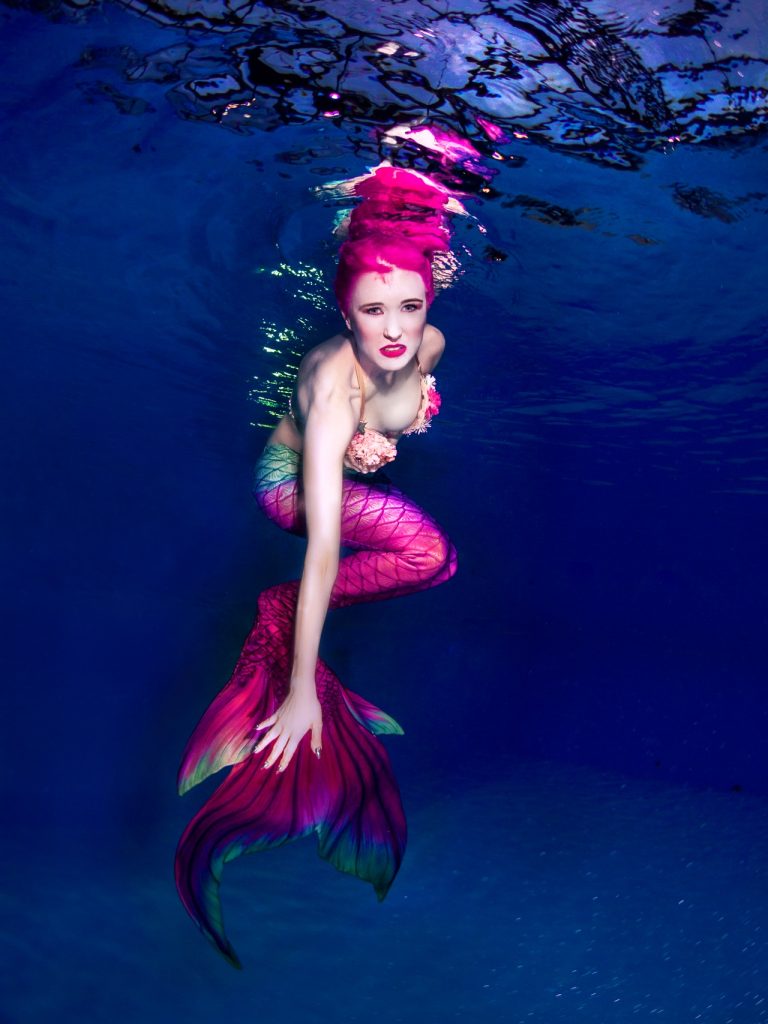
The Pink Mermaid
The first time I tried the pink mermaid aesthetic, I showed up to a birthday brunch looking like I had raided the costume aisle at Party City. Full iridescent sequin top from ASOS, a blush midi skirt with a faint scale-print texture, and pearl drop earrings the size of thumbnails. My friend squinted at me and asked if I was dressed as something. That was the moment I realized most styling guides for this aesthetic are completely useless.
Three months later — after spending roughly $400 on pieces that didn’t work and $80 on three that did — I understand this look in a way I couldn’t from reading Pinterest boards. Here’s what actually matters.
Why the Pink Mermaid Aesthetic Is Harder to Wear Than Pinterest Makes It Look
The pink mermaid look sits at a very precise intersection of three visual languages: iridescent shimmer, romantic pink tones, and fluid silhouettes. Most people nail one or two and completely miss the third. That gap between understanding the aesthetic conceptually and actually pulling it off in real life is where most outfits fall apart — and where the costume problem begins.
The Literal Interpretation Problem
Lean too hard into shimmer — head-to-toe sequins, metallic fabric on every piece — and you end up in Halloween territory, not fashion editorial. The shimmer in this aesthetic should feel like sunlight catching water at the surface: subtle, shifting, almost accidental. Not a showgirl. Not a disco ball. One iridescent piece per outfit, two only if the second is a small accessory like a bag or earrings.
The pink is equally specific. Dusty rose, petal pink with a pearl undertone, soft blush with a slight silver cast. Hot pink is Barbiecore — a completely different aesthetic with a completely different mood. Bubblegum pink reads Y2K. Neither belongs in the pink mermaid look. Go too muted and you drift into cottagecore territory by accident without realizing it.
This is why the packaged mermaid aesthetic sets sold on fast fashion sites almost never work. They combine hot pink with aggressive scale texture and maximum shimmer. What you get is a costume, not a look. The pieces lack the restraint that makes the actual aesthetic function.
What “Mermaid” Actually Means in Fashion Terms
The mermaid reference here isn’t about wearing scales or fins. It’s a fabric and silhouette language — and understanding that distinction changes how you shop for it entirely.
Fabrics that belong in this aesthetic move like water: bias-cut satin, liquid charmeuse, chiffon that floats when you walk. Textures that catch light unexpectedly: fine micro-sequins, iridescent organza, holographic vinyl used sparingly on accessories. Silhouettes that elongate the body: slip dresses, maxi skirts with a gentle flare at the hem, wrap dresses that drape rather than structure.
The reference point is less Ariel costume and more what you would see in a Cult Gaia lookbook or a Jacquemus editorial shot on location somewhere coastal and warm. It’s the idea of a mermaid, filtered through modern minimalism and deliberate restraint.
How This Aesthetic Actually Developed
The pink mermaid look emerged around 2026–2026 as a deliberate softening of the broader mermaidcore trend, which had leaned into teal, seafoam, and deep ocean blue. The pink shift made the aesthetic commercially accessible — easier to wear on an ordinary Tuesday, not just at a fashion week event.
By 2026, Rotate Birger Christensen had blush and pearl iridescent sequin pieces in their main collection. Selkie, the Los Angeles-based fantasy fashion label, had built their entire brand around the intersection of romantic pink and whimsical texture — their Puff Dress in blush and pearl colorways became the defining reference image for the aesthetic. By 2026, the look had stopped being a trend report category and become a genuine wardrobe vocabulary with its own clear visual rules.
The One Styling Rule That Fixed Everything
One piece gets the mermaid treatment. Everything else stays grounded. The second I stopped trying to build a complete mermaid outfit and started building a regular outfit around one iridescent or shimmer piece, the looks started working. A bias-cut satin skirt in dusty rose pairs with a plain white ribbed tank — not a holographic crop top. That is the entire framework. You don’t need anything more complicated than that to make this aesthetic land.
What to Buy vs. What to Skip: A Direct Breakdown
After testing across different price points and returning more than a few items, here’s how the major piece categories break down for the pink mermaid aesthetic. Specific brands and real prices, not vague categories.
| Piece Type | Buy This | Skip This | Price Range |
|---|---|---|---|
| Skirts | Zara metallic pleated midi skirt; ASOS Design iridescent sequin midi | Full scale-print styles; mermaid-tail structured silhouettes | $45–$110 |
| Dresses | Reformation Naomi slip dress in blush; Selkie Puff Dress in pearl | Fast fashion polyester mermaid aesthetic sets | $89–$398 |
| Tops | & Other Stories iridescent organza blouse; Free People satin cami in rose | Aggressively scaled sequin tube tops marketed as mermaid | $38–$95 |
| Shoes | Steve Madden Irenee heels (iridescent, ~$100); Sam Edelman Patti sandal in blush ($90) | Iridescent shoes paired with an iridescent top — pick one | $70–$120 |
| Accessories | Mejuri pearl drop earrings ($58); shell clutch bags ($25–$40) | Oversized plastic pearl headbands; head-to-toe pearl stacking | $25–$120 |
The most common mistake in this table is the shoes. Pink mermaid outfits regularly combine an iridescent sequin skirt with iridescent heels and a shimmery top. That’s three shimmer sources and zero anchors. Pick one shimmer piece per outfit. Shoes and accessories should echo the color tone of the anchor piece, not repeat its texture.
For the budget end of the table: the ASOS Design iridescent midi skirts ($45–$65) are genuinely good quality for the price and photograph well under natural light. For a single investment piece that covers everything in one purchase, the Selkie Puff Dress in a blush or pearl colorway ($298–$398) is the closest thing to the Platonic ideal of this aesthetic in a single garment — the silhouette, the fabric, and the color tone all work together exactly as intended.
Building a Pink Mermaid Outfit That Works Outside Your Bedroom Mirror
There’s a specific assembly order that makes this aesthetic land in real-world settings. Ignore it and you end up back in costume territory, regardless of what you bought.
- Start with one anchor piece. Your single shimmer or satin item — a skirt, a dress, or a top. Everything else gets built around it. Don’t start with accessories and work backward; start with the statement piece and subtract from there.
- Ground it immediately with a neutral. White, cream, light grey, or warm sand. If the anchor piece is a blush sequin skirt, pair it with a simple cream ribbed tank. Not another pink piece — that’s precisely how the costume problem starts.
- Add texture through accessories only. Pearl earrings, a shell or woven bag, one delicate ring. Let the accessories carry the aesthetic reference without competing with the anchor piece. Two texture sources, maximum.
- Pick shoes that balance, not match. If your anchor piece has shimmer, choose a simple strappy sandal in nude or blush leather. If your anchor piece is matte satin, then iridescent heels work. Shimmer shoes plus shimmer top is almost always too much, regardless of how it looks in isolation.
- Soft makeup or full commitment — not the middle. Either keep the face very natural (tinted moisturizer, tinted lip balm) or commit to a full ethereal look (iridescent highlighter on cheekbones, a soft pink-lilac eye). Standard glam contouring clashes with the softness this aesthetic requires.
- Test it in daylight before any event. Iridescent fabrics behave very differently under artificial lighting versus sunlight. A skirt that reads subtle and editorial indoors can look extremely loud in direct afternoon light. Walk outside in it before you commit to wearing it somewhere that matters.
One thing worth understanding before you shop: the pink mermaid aesthetic does not require a lot of pieces. Three well-chosen items — one anchor, one grounding piece, one accessory — will consistently outperform a cart full of vaguely mermaid-adjacent things. The people who fail with this aesthetic almost always fail by buying too much, not too little.
The Questions I Wish I Had Answered Before I Spent Any Money
Can you actually wear this aesthetic day-to-day, or only to events?
Daily wear is completely achievable — you just need to choose the understated version of the anchor piece rather than the most event-coded option. A Reformation bias-cut slip dress in dusty rose ($218) is appropriate for a weekend afternoon or a low-key dinner. A Free People satin cami in rose worn with wide-leg trousers reads as elevated casual, not party-ready. The aesthetic breaks for daily wear when people choose dramatic pieces — full sequin skirts, structural organza — and try to tone them down by underdressing everything else. That approach doesn’t work. The fix is to scale down the anchor piece first, not add more plain pieces around a loud one.
What is the real minimum cost to do this right?
Somewhere between $80 and $120 for a single solid outfit, if you shop with a clear plan. The ASOS Design iridescent midi skirt lands around $55. A ribbed tank from any brand is $15–$20. Pearl drop earrings from PDPAOLA or a well-made resale option run $25–$35. Sam Edelman Patti sandals used on Poshmark or Depop sell for $35–$55. You don’t need the Selkie dress or the Mejuri earrings to get this look right. What you do need is pieces that are well-constructed enough not to look cheap next to shimmer, because iridescent and satin fabrics are brutally unforgiving to poor construction and cheap finishing. A badly sewn sequin skirt looks like a craft project. A well-sewn one looks like a purchase.
What if you genuinely dislike pink?
You can work within the same silhouette and fabric language using pearl white, champagne, or very pale lavender instead. That moves you into a neutral-toned mermaidcore-adjacent category rather than the pink mermaid aesthetic specifically, but the visual logic holds completely. & Other Stories regularly produces satin and iridescent pieces in champagne and ecru that function within this framework without any pink. You lose the specific softness that blush and rose tones create — a softness that’s partly what distinguishes the pink mermaid look from straight mermaidcore — but the overall effect still reads as intentional rather than accidental.
Pink Mermaid vs. Barbiecore vs. Mermaidcore: Which One Are You Actually After?
If you want drama and maximum color impact, the pink mermaid aesthetic is the wrong choice. It’s fundamentally built on restraint — and that’s both its strength for everyday wearability and its limitation for anyone expecting a bolder visual result.
Barbiecore is hot pink maximalism. Versace neon, coordinating fuchsia blazer-and-pants sets, bold and intentionally excessive. The Valentino pink SS22 collection is the reference image most people cite. If you want to make a loud statement, Barbiecore does it more effectively than pink mermaid — which requires tonal precision rather than volume. Mixing Barbiecore energy with pink mermaid silhouettes produces a confused look that commits to neither register.
Mermaidcore in its non-pink form leans into ocean colors: teal, seafoam, deep aquamarine, silver. More visually dramatic, more editorial, and harder to integrate into everyday dressing. A floor-length sequin skirt in emerald green is mermaidcore. Zara Studio and Rotate Birger Christensen execute this well in their more sculptural, statement-forward pieces. Choose mermaidcore if visual impact matters more to you than the ability to wear the pieces outside of a specific context.
Pink mermaid is the version you can build a functional wardrobe around — outfits that work for brunch, a gallery opening, a summer wedding. The trade-off is precision. You can’t put on a pink sequin set and call it done. The look requires knowing which piece does the work and which pieces stay quiet.
Back to that birthday brunch. Same friends, same restaurant, different outfit: the blush satin slip dress from & Other Stories, a fitted white tee underneath it, pearl drop earrings, Sam Edelman Patti sandals in blush. Nobody asked if I was dressed as something. Someone asked where I got the dress. That’s the difference between wearing the pink mermaid aesthetic and understanding it.