
Thrifting Vintage Fashion: A Beginner’s Guide to Better Finds
Many beginners think vintage means any old item with a faded label. That is the first misconception to fix. Vintage clothing usually refers to garments from a past era, often at least 20 years old, while secondhand clothing may be only a few seasons old. The difference matters because age alone does not prove quality, rarity, or value.
This guide explains how to thrift vintage fashion with a clear process: define the era and fit you want, inspect fabric and construction, check condition under good light, and set a price ceiling before excitement takes over.
This is not legal advice — consult a licensed attorney for legal questions. No specific state law is discussed here, and consumer, resale, textile-labeling, and return rules can differ between U.S. states.
What Counts as Vintage Fashion, and Why Does It Matter?
Vintage is about design, age, and context
A vintage item earns attention because it shows the design language, materials, and production habits of an earlier period. A 1970s wool coat may have a wider lapel, heavier lining, and different button placement than a modern coat. A 1990s denim jacket may use a boxier cut and thicker cotton than a current fast-fashion version. Those details create character, but they do not automatically make the garment worth buying.
Age is only one part of the decision. The item also needs to suit your wardrobe, fit safely across the shoulders and waist, and remain wearable after cleaning. A rare jacket that sits untouched in your closet is a poor purchase. A common 1990s cotton shirt that fits perfectly may become your most useful find.
Why older clothing can be worth the search
Vintage shopping exists because modern clothing does not always solve every wardrobe problem. Older pieces can offer heavier fabric, unusual proportions, natural fibers, repairable seams, and colors that are difficult to find in mass-market stores. They also give shoppers a way to build a personal style instead of copying a complete outfit from a current rack.
The tradeoff is less consistency. Sizing changed over time, care labels may be missing, and replacement buttons or zippers can be hard to find. My verdict is simple: treat vintage as a quality-and-style hunt, not an age contest. The best first purchase is an older garment that fits your present life and passes a careful condition check.
How Should Beginners Prepare for a Thrift Store Visit?
Write a narrow buying brief
Do not enter a large thrift store hoping the perfect outfit will reveal itself. Decide what gap you are filling. A useful brief might say: one dark wool blazer, natural fiber, chest measurement between 40 and 42 inches, maximum price $45. That sentence gives you a filter when racks become crowded and labels start to blur together.
Set three limits before you shop:
- Category: choose one or two items, such as denim, outerwear, knitwear, or leather accessories.
- Fit: record your shoulder, chest, waist, sleeve, inseam, and preferred garment length in inches.
- Budget: include cleaning, tailoring, shipping, or repair costs in the maximum price.
Carry measurements instead of trusting the tag
A vintage medium can fit like a current small, large, or cropped style. Bring a flexible tape measure or save measurements in your phone. Measure a jacket that already fits you well: pit-to-pit, shoulder seam to shoulder seam, sleeve length, and back length. Compare those numbers with the garment, not with the printed size.
Also check the store’s lighting and fitting-room policy. Dark rooms hide stains, thinning fabric, and color transfer. If trying an item on is not allowed, hold it against your body and compare the key measurements. My verdict: preparation beats browsing time. A small buying brief and four accurate measurements will prevent more bad purchases than any vintage-brand checklist.
How Do You Check Vintage Fabric, Construction, and Condition?
Use a fixed inspection sequence
Inspect every promising item in the same order. Start with the fabric. Natural fibers such as wool, cotton, linen, and silk can feel substantial, but they still suffer from moth holes, dry rot, and abrasion. Hold the garment near a bright light. Look at the underarms, collar, cuffs, seat, inner thighs, pocket edges, and hem. These areas receive the most friction and sweat.
Then test the construction gently. Pull the fabric on both sides of a seam. A sound seam should stay closed without popping stitches. Open every zipper, press each snap, and check that buttons have thread attached. Smell the garment outdoors or near the fitting room; a strong mildew or chemical odor may remain after cleaning.
| Item to inspect | Good sign | Walk-away sign | Typical thrift range |
|---|---|---|---|
| Wool coat | Dense weave, clean lining, firm seams | Moth damage across the body or brittle lining | $30–$120 |
| Denim jeans | Even fading, intact crotch, working fly | Deep crotch tear or stretched waistband | $15–$60 |
| Leather shoes | Flexible upper, firm sole, usable heel | Cracked leather or separated sole | $20–$90 |
| Silk blouse | Strong seams and no underarm thinning | Water marks, pulls, or powdery fabric | $12–$45 |
These figures are working ranges, not fixed values. A charity-shop price, specialist vintage-store price, and online resale price can differ sharply.
Check labels without treating them as proof
Labels can help date a garment, identify fiber content, and confirm a brand, but labels can also be replaced or copied. Check whether the stitching matches the garment and whether the care instructions make sense for the fabric. Compare the country of manufacture, logo shape, font, and hardware with reliable brand archives when the price is high.
For a first purchase, skip items that need major restoration. A $25 jacket with a $90 lining repair is not a bargain. My verdict: condition outranks the label. Buy the well-made, cleanable item you can wear this month, even when a more famous name hangs beside it.
Which Vintage Pieces Are Best for a First Purchase?
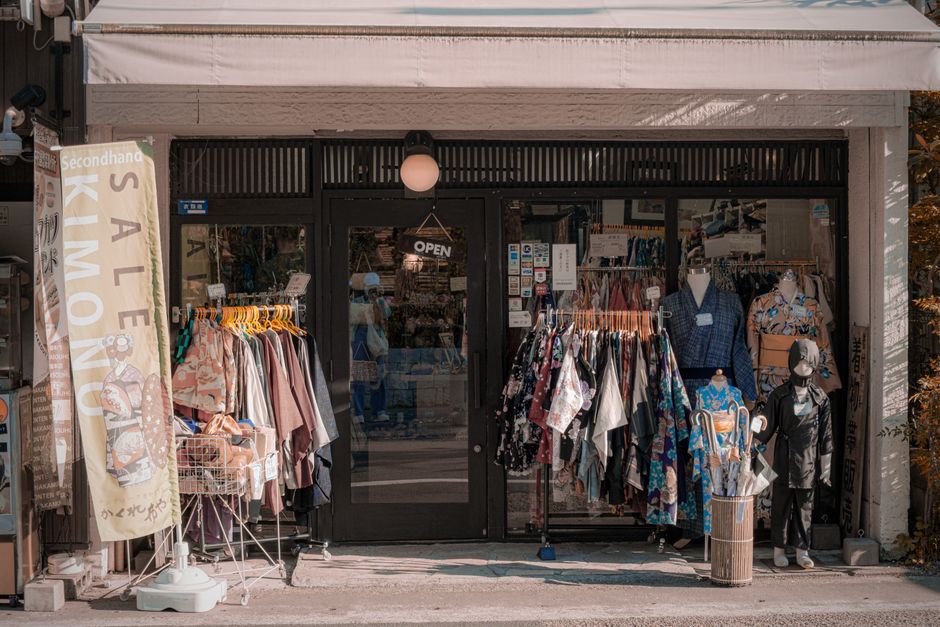
Start with durable basics, not delicate collector pieces. Beginners learn faster with garments that tolerate normal wear and simple alterations. Denim, cotton shirts, wool overshirts, and sturdy leather accessories show their value through fit and construction, so you can judge them without knowing every detail of fashion history.
Best entry-level categories
- Levi’s 501 jeans: A fair thrift price is often $15–$60. Check the waist, inseam, crotch, and hem before caring about the production year. They are the best first vintage buy for someone who wants an easy everyday foundation.
- Pendleton wool shirt: Expect roughly $20–$70 in thrift and resale settings. Look for a dense weave and intact elbow areas. Choose this over a fragile knit if you want warmth with low repair risk.
- Barbour Bedale jacket: Used prices commonly sit around $40–$150, depending on condition and lining. Check the waterproof finish, cuffs, corduroy collar, and zipper. It is a strong choice for outerwear, but not for someone unwilling to pay for professional rewaxing.
- Dr. Martens 1460 boots: A worn pair may cost $30–$90. Inspect the welt, heel, inside lining, and sole separation. Buy them only if the leather bends comfortably; breaking in painful boots is not a style achievement.
- Coach Legacy leather bag: Typical secondhand prices range from $25–$100. Check the strap attachment, lining, zipper, and odor. It is the clearest beginner option when you want vintage character without relying on vintage sizing.
When to choose a modern alternative
Do not buy vintage denim if you need stretch, a precise current fit, or a return-friendly purchase. Do not buy an old leather shoe with hardened soles if you need dependable walking footwear tomorrow. A modern garment may cost more but offer consistent sizing, fresh materials, warranty coverage, and easier returns.
My verdict: choose Levi’s 501 jeans for the safest first experiment, Pendleton for a warm layer, and a modern replacement when repair costs or fit uncertainty outweigh the style benefit.
How Can You Avoid Bad Vintage Purchases After Checkout?
Can every thrifted item be cleaned at home?
No. Read the care label first. Cotton and many washable synthetics may handle a careful cold wash, but wool, silk, leather, suede, and lined tailoring can shrink, bleed, or lose shape. Keep questionable items in a separate bag until you decide on cleaning. A musty odor, visible pest damage, or unknown stain deserves professional advice rather than an aggressive home treatment.
What mistakes cause the most regret?
The most common mistake is buying an item because it looks rare on the hanger. A second is ignoring hidden costs: tailoring, resoling, dry cleaning, or a replacement lining. A third is assuming a familiar brand guarantees authenticity or quality. Inspect the item, record the price, and ask whether you would buy it at that price without the label.
Also avoid buying a garment that only works with one outfit. Three useful combinations are a better test: can the jacket work with jeans, trousers, and a plain shirt? If not, it may become an expensive costume piece.
My final recommendation is specific: begin with one clean, durable garment under $60, measure it before purchase, and wear it at least three times in the first month. For most beginners, a well-fitting pair of Levi’s 501 jeans or a sound Pendleton wool shirt offers the best balance of vintage character, manageable risk, and everyday use.