Best Shorts Denim 2024: Technical Evaluation of Fabric Weight and Fit Metrics
The evolution of denim from heavy-duty industrial workwear to a ubiquitous staple of contemporary summer wardrobes represents a significant shift in textile engineering and consumer behavior. Selecting the best shorts denim requires an analytical approach to textile composition, structural engineering, and garment architecture. While aesthetic trends fluctuate, the fundamental principles of high-quality denim remain constant. This evaluation focuses on the mechanical properties of denim fabrics, the ergonomics of various cuts, and the longevity of market-leading products currently available through major retail partners like those found on Awin-affiliated platforms such as ASOS, Selfridges, and Mytheresa.
Technical Analysis of Denim Fabric Weight and Composition
The performance of denim is primarily dictated by its weight, measured in ounces per square yard (oz). Most consumer-grade denim shorts fall between 10oz and 14oz. Lightweight denim (under 12oz) offers superior breathability and immediate comfort but often lacks the structural integrity required to maintain a specific silhouette over time. Conversely, heavyweight denim (above 13oz) provides a distinct, architectural shape and high abrasion resistance, though it requires a significant break-in period. For a summer garment, a weight of 11.5oz to 12.5oz is generally considered the “sweet spot” for balancing durability with thermal comfort.
The Role of Cotton and Synthetic Blends in Durability
Textile analysis reveals that 100% cotton denim remains the gold standard for durability. Rigid denim utilizes a twill weave that gains character through wear. However, the integration of elastane (often branded as Lycra or Spandex) has become prevalent. Data suggests that a blend containing 1% to 2% elastane significantly increases mobility without compromising the traditional denim appearance. Blends exceeding 5% elastane are technically classified as stretch denim; these tend to lose their recovery properties faster, leading to the common issue of “bagging out” at the seat and thighs. Furthermore, the introduction of polyester into denim blends—while increasing tensile strength and reducing costs—can negatively impact the fabric’s breathability and lead to localized “pilling” in high-friction areas.
Weave Density, Slubbing, and Tensile Strength
Beyond weight, the density of the weave—specifically the thread count of the warp and weft—determines the fabric’s tensile strength. High-quality denim utilizes ring-spun yarn, which is stronger and more textured than open-end yarn. “Slub” refers to intentional irregularities in the yarn thickness, which creates a vertical grain and unique fading patterns over time. When evaluating the best shorts denim, inspecting the internal seams and the consistency of the indigo dye penetration provides evidence of the manufacturing quality. Deep indigo saturation typically indicates a longer dyeing process, involving multiple “dips” in indigo vats, which results in more nuanced fading patterns as the garment ages. Cheaply dyed denim often uses sulfur topping to mimic depth, which lacks the tonal range of true indigo.
| Fabric Category | Weight (oz) | Composition | Durability Rating | Best Use Case |
|---|---|---|---|---|
| Rigid Raw Denim | 13-14.5 | 100% Cotton | High | Long-term wear, custom fading, structural silhouettes |
| Performance Stretch | 10-12 | 98% Cotton, 2% Elastane | Moderate | High-activity summer days, travel, comfort-first wear |
| Vintage Wash Twill | 11-13 | 100% Organic Cotton | High | Daily casual use, soft hand-feel, eco-conscious buyers |
| Lightweight Summer Denim | 8-10 | 60% Cotton, 40% Lyocell | Low-Moderate | Extreme heat, drape-heavy styles, lounge wear |
Understanding Denim Short Fit Metrics: Rise and Inseam Guide

The ergonomic success of denim shorts depends on three critical measurements: the rise, the inseam, and the leg opening. These dimensions determine how the garment interacts with the wearer’s anatomy during movement. A failure to align these metrics with personal proportions results in discomfort and premature fabric failure at high-stress points like the crotch gusset. Furthermore, the “yoke”—the V-shaped section at the back of the shorts—plays a vital role in how the fabric contours to the seat; a deeper V-shape typically provides a more tailored, lifting effect.
The Engineering of the Rise and Waistband Construction
The rise is the distance from the crotch seam to the top of the waistband. High-rise shorts (11 inches and above) are engineered to sit at the narrowest part of the torso. This construction provides significant core support and remains secure during seated positions. Mid-rise options (9 to 11 inches) offer a balance of coverage and flexibility, suitable for a wider variety of body types. Low-rise designs (under 9 inches) have seen a resurgence but offer the least amount of structural security, often requiring a belt to maintain positioning during physical activity. A curved waistband is a hallmark of superior engineering, as it follows the natural contour of the hips better than a straight waistband, preventing the common “gapping” at the back.
Inseam Length and Leg Opening Circumference
The inseam measurement directly impacts the functionality of the shorts. A 3-inch inseam is a standard for athletic or vintage-inspired cuts, providing maximum range of motion but minimal protection against skin-on-skin friction. A 5-inch to 7-inch inseam is technically more versatile, offering protection and a more formal silhouette. Furthermore, the leg opening circumference must be evaluated. A tapered opening creates a streamlined look, whereas a wide, flared opening allows for increased airflow and a more relaxed aesthetic. Technical testing indicates that a leg opening that is 1 to 2 inches wider than the thigh circumference provides the optimal balance of comfort and visual proportion, preventing the fabric from “riding up” during locomotion.
Structural integrity in denim is often compromised by improper sizing. A garment that is too tight undergoes excessive stress on the seams, while a garment that is too loose causes friction-induced wear in the inner thigh area, leading to “blowouts.”
Best Denim Short Brands Compared: Performance and Value Analysis
Identifying the best shorts denim involves comparing established manufacturers against modern premium labels. This analysis considers construction quality, price-to-durability ratio, and consistency in sizing. The following products are available through major retail partners and represent the current market leaders in the denim category.
Levi’s 501 Original Shorts
The Levi’s 501 Original remains a benchmark in the industry. Constructed from 100% cotton, these shorts utilize a button fly, which is historically more durable than a zipper mechanism because it places less localized stress on the fabric. The 501 features a straight fit through the hip and a slightly tapered leg opening.
- Price: Approx. $70 (£65)
- Specs: 12oz weight, 100% cotton, 5-pocket styling, Water<Less technology.
- Pros: Exceptional durability, timeless silhouette, high resale value, available in various inseam lengths.
- Cons: Lack of stretch requires a precise fit; the break-in period can be uncomfortable for those accustomed to soft fabrics.
AGOLDE Parker Vintage Cut-Off
AGOLDE has secured a significant market share by focusing on high-quality organic cotton and vintage-inspired washes. The Parker model is characterized by a mid-rise and a frayed hem that is reinforced with a “stay-stitch” to prevent excessive unraveling.
- Price: Approx. $190 (£160)
- Specs: 11.5oz weight, 100% Organic Cotton, 3-inch inseam (standard), 11.25-inch rise.
- Pros: Superior fabric hand-feel, meticulous distressing that does not compromise structural integrity, eco-friendly material sourcing.
- Cons: High entry price; sizing tends to run large, necessitating an adjustment in purchasing strategy (often sizing down).
Madewell Perfect Vintage Short
Madewell’s “Perfect Vintage” line incorporates their proprietary “Magic Pocket” technology, which utilizes reinforced front panels to provide a smoothing effect. These shorts typically feature a blend of cotton and a small percentage of elastane for comfort.
- Price: Approx. $80 (£75)
- Specs: 11oz weight, 99% Cotton/1% Elastane, high-rise (11-inch), rolled or raw hem options.
- Pros: Immediate comfort, inclusive sizing range (including Plus and Petite), functional pocket depth.
- Cons: The inclusion of stretch fibers means the waistband may expand by half a size after several hours of wear; less “authentic” fading compared to rigid denim.
Abercrombie & Fitch 90s High Rise
Abercrombie & Fitch has transitioned toward high-density denim with a focus on specific body geometries, such as their “Curve Love” line which adds an additional 2 inches in the hip and thigh relative to the waist.
- Price: Approx. $60 – $70 (£55 – £65)
- Specs: 12.5oz weight, 99% Cotton/1% Elastane or 100% Cotton options, 4-inch inseam.
- Pros: Excellent fit for athletic builds, frequent availability of multiple inseam lengths, competitive pricing.
- Cons: Synthetic blends in certain washes may pill over time; inconsistent sizing between different color washes.
Sustainability and Ethical Sourcing in Denim Production

The environmental impact of denim production is a critical factor in modern purchasing decisions. Traditional indigo dyeing and cotton cultivation are water-intensive processes. However, several brands are now implementing “Ozone” washing and laser-distressing technologies (such as those developed by Jeanologia) to reduce water and chemical consumption by up to 90%. When searching for the best shorts denim, consumers should look for certifications such as the Global Organic Textile Standard (GOTS) or the Better Cotton Initiative (BCI). Furthermore, the use of recycled cotton (GRS certified) is becoming more prevalent, although it is often blended with virgin cotton to maintain the necessary fiber length for durability. Investing in high-quality, long-lasting denim is, in itself, a sustainable practice, as it reduces the frequency of garment replacement and landfill contribution.
Common Purchasing Errors and How to Avoid Them
Many consumers prioritize aesthetic appearance over technical fit, leading to garments that remain unworn. One common error is the “Stretch Trap”: purchasing denim with high elastane content in a size that feels comfortable in the fitting room. Because stretch denim relaxes significantly, these shorts often become too large within two hours of wear. Another frequent mistake is ignoring the back yoke and pocket placement. Pockets that are too small or placed too far apart can visually distort the wearer’s proportions. To ensure the best fit, it is recommended to perform a “sitting test” in the fitting room; if the waistband digs excessively into the abdomen or the leg openings cut off circulation to the thighs, the rise or the circumference is insufficient for the wearer’s anatomy.
Professional Care Guidelines to Extend Denim Short Lifespan
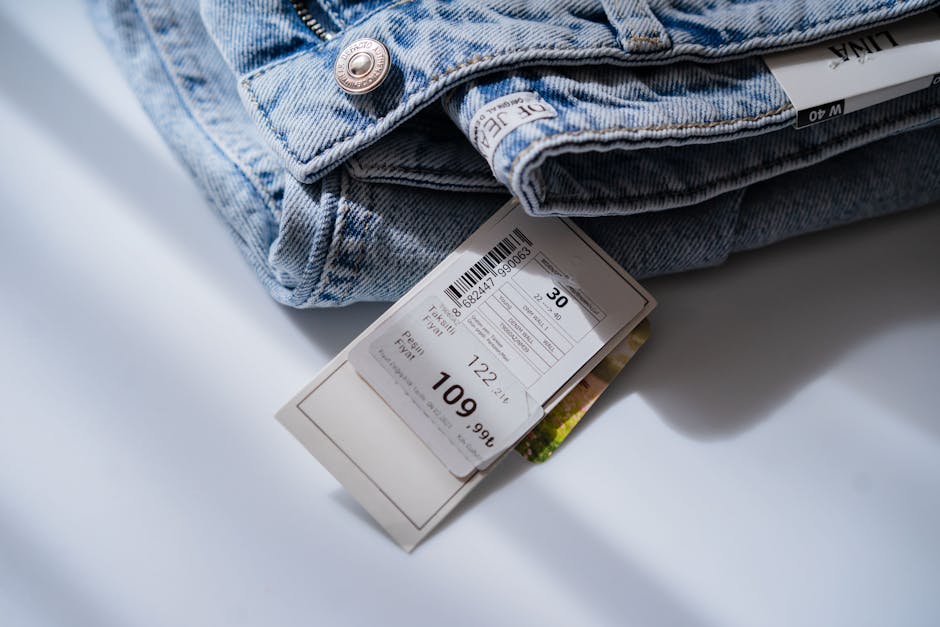
Maintaining the best shorts denim requires a departure from standard laundering practices. Excessive heat and aggressive chemical detergents are the primary catalysts for denim degradation. To preserve the molecular structure of the indigo dye and the integrity of the cotton fibers, a technical maintenance routine must be established. Over-washing is the most common cause of premature denim failure.
Temperature and Chemical Exposure
Denim should be washed in cold water (below 30°C). High temperatures cause the cotton fibers to contract and then expand, leading to a breakdown in the weave density. Furthermore, standard detergents often contain optical brighteners and bleach-based agents that strip indigo prematurely. Utilizing a pH-neutral detergent specifically formulated for dark fabrics is recommended. For rigid denim, washing should be delayed as long as possible—some enthusiasts suggest six months of wear before the first wash—to allow the fabric to crease and fade according to the wearer’s body. Spot cleaning with a damp cloth and mild soap is the preferred method for addressing minor stains.
Mechanical Stress and Drying Protocols
The mechanical action of a tumble dryer is highly destructive to denim. The heat breaks down elastane fibers in stretch denim and causes “marbling” or unwanted crease lines in rigid denim. The optimal drying protocol involves reshaping the shorts while damp and laying them flat on a drying rack or hanging them by the belt loops. This prevents gravity from distorting the waistband. If the fabric becomes overly stiff after air drying, a 10-minute cycle in the dryer on a “no heat” or “air fluff” setting can restore softness without causing thermal damage.
- Inside-Out Laundering: Always turn the garment inside out to protect the outer indigo layer from abrasion against the machine drum.
- Low Spin Speed: Use a delicate cycle with a low spin speed (400-600 RPM) to minimize fiber agitation and prevent permanent “streak” marks.
- Avoid Softeners: Do not use fabric softeners, as they coat the fibers in a waxy residue that reduces breathability and can damage the elasticity of stretch blends.
- Proper Storage: Store by hanging or folding flat; avoid crowding in drawers to prevent permanent creasing.
- Steam Over Iron: Use a garment steamer rather than a flat iron to remove wrinkles, as direct high heat can scorch the cotton fibers.
By adhering to these technical specifications and maintenance protocols, consumers can ensure that their investment in high-quality denim shorts yields maximum utility. The best shorts denim is not merely a purchase but a long-term component of a functional wardrobe, requiring careful selection based on objective fabric and fit data. Whether purchasing a classic pair of Levi’s or a premium pair from AGOLDE, understanding the underlying textile science ensures a superior wearing experience.