Best Sophie Scarf Yarn: Top 6 Fiber Choices for the PetiteKnit Classic 2024
I have a specific drawer in my wardrobe dedicated entirely to small, pointed scarves. Most of them are Sophie Scarves. If you have spent any time on knitting Instagram or Ravelry over the last two years, you know the pattern. Designed by Mette Wendelboe Okkels of PetiteKnit, it is perhaps the most knitted accessory of the decade. It is simple, rhythmic, and requires very little yarn. But because this little scrap of fabric sits directly against the jugular, the choice of fiber is more than just an aesthetic decision; it is a matter of comfort and longevity. I have knit this pattern at least six times now, using everything from scratchy rustic wool to astronomical cashmere, and I have learned that the best sophie scarf yarn isn’t always the most expensive one, though luxury certainly helps when it’s wrapped around your neck all day.
The pattern itself is worked in garter stitch with built-in i-cord edges. This construction means the yarn needs to have enough structural integrity to keep those edges crisp, but enough softness to drape rather than poke. When you are looking for the right ball of wool, you are generally looking for a DK weight, or a combination of fingering and lace weight held together. I tend to lean towards natural fibers because synthetic acrylics against the neck often lead to overheating and a plastic-like sheen that ruins the understated ‘Scandi-chic’ vibe of the design.
Choosing the Best Yarn Weight for the Sophie Scarf Pattern
The original Sophie Scarf pattern is written for a DK weight yarn, but the beauty of such a simple design is its versatility. I’ve found that the weight you choose drastically changes the character of the finished piece. If you go for a true DK wool, like Sandnes Garn Double Sunday (approx. £7.50 per 50g), you get a scarf with a clear, defined stitch and a very sturdy i-cord. This yarn is a 100% merino wool, but it isn’t treated with the typical slippery superwash finish that can make some merinos grow or lose their shape over time. It is a robust choice. The pro here is the massive color palette available; the con is that it feels a bit more ‘sporty’ than ‘luxury.’
On the other hand, many knitters—myself included—prefer the look of a fingering weight yarn held together with a strand of silk mohair. This creates a fuzzy halo that softens the garter stitch ridges. For this, Knitting for Olive Merino held with their Soft Silk Mohair is a gold standard. You’ll spend about £15-£18 for the pair of skeins. The pro is the ethereal, high-end look that mimics designer boutique accessories. The con is that mohair can be ‘itchy’ for those with sensitive skin, and it is notoriously difficult to ‘frog’ (rip out) if you make a mistake in your increases.
| Yarn Name | Weight Category | Fiber Content | Approx. Price |
|---|---|---|---|
| Sandnes Garn Double Sunday | DK | 100% Merino | £7.50 |
| Cardiff Cashmere Classic | DK | 100% Cashmere | £24.00 |
| KFO Merino + Soft Silk Mohair | DK (Held together) | Merino / Silk Mohair | £16.00 |
| Drops Karisma | DK | 100% Wool | £2.50 |
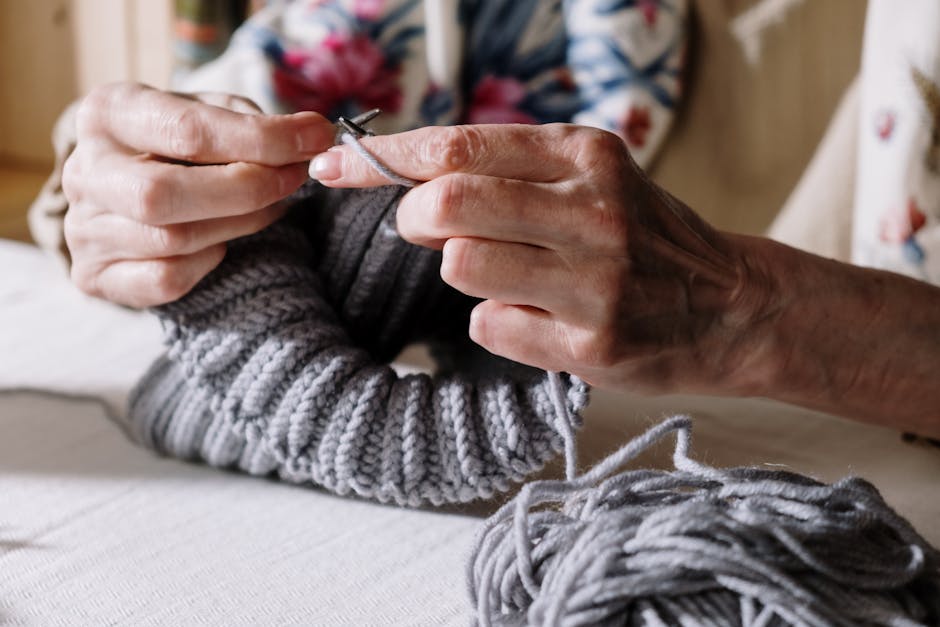
If you are a beginner, I strongly suggest sticking to a single strand of DK yarn. Managing two strands while learning the increases and decreases of the i-cord can be fiddly. A single strand allows you to focus on the tension of those edge stitches, which are the defining feature of the scarf. If those edges are loose, the scarf looks homemade in the wrong way. A bouncy, multi-ply wool will help ‘fill in’ the gaps and make your knitting look more professional than a flat, single-ply yarn would.
Top Cashmere and Luxury Blends for Next-to-Skin Softness
Let’s be honest: the Sophie Scarf is small. It usually takes only 25g to 50g of yarn for the smaller size. This makes it the perfect project to splurge on. If you’ve ever looked at a £300 Loro Piana cashmere scarf and sighed, this is your chance to recreate that feeling for a fraction of the cost. My absolute favorite for this is Cardiff Cashmere Classic. It is an Italian cashmere that is spun with a density that prevents the excessive pilling often found in cheaper high-street cashmere. It costs around £24 per ball, and one ball is exactly enough for the small version of the scarf. The pro is the sheer indulgence of the fiber; the con is that it requires very careful hand-washing.
Another luxury contender is Lang Yarns Cashmere Premium. It has a slightly tighter twist than the Cardiff, which gives the i-cord edges a beautiful, cord-like appearance. When I used this for a gift, the recipient couldn’t believe it was hand-knit because the stitch definition was so clean. It’s roughly the same price point as Cardiff. If you want luxury but find pure cashmere too ‘limp,’ look for a cashmere and silk blend. The silk adds a subtle sheen and a lot of strength, ensuring the scarf doesn’t stretch out into a long, thin string after three wears.
The small size of the Sophie Scarf makes it a low-risk way to experiment with luxury fibers you wouldn’t normally buy for a full-sized sweater. One skein is usually all you need.
Why choose cashmere over merino? Merino is soft, but cashmere is insulating in a way that feels weightless. Because the Sophie Scarf is often tucked into the neckline of a coat, you don’t want bulk. You want warmth without the ‘football scarf’ thickness. Cashmere provides that heat while remaining thin enough to knot elegantly. If you are shopping at high-end retailers like Liberty London or specialized boutiques, look for ‘Todd & Duncan’ yarn sources, as they provide some of the best raw cashmere stock in the world, often used by independent dyers for their DK bases.
Durable and Affordable Wool Options for Daily Wear
Not everyone wants to spend £25 on a tiny scarf, especially if it’s for a child or someone prone to losing their winter accessories. For a more utilitarian version, I often turn to Sandnes Garn Peer Gynt. Now, hear me out—Peer Gynt is a ‘real’ wool. It is not superwash treated, and it has a bit of a bite. However, after a soak in some wool wash (or even a little hair conditioner), it softens significantly. Its main strength is its durability. A Peer Gynt Sophie Scarf will look exactly the same in ten years as it does today. It doesn’t pill, and it holds its shape perfectly. At around £5.50 a ball, it’s a bargain.
For those who need absolute budget-friendliness, Drops Karisma is a staple in the knitting community. It’s a 100% wool yarn that is superwash treated, meaning it can go in the washing machine. For a scarf that’s going to be exposed to makeup, perfume, and sweat, being able to toss it in the machine is a huge plus. The pro is the price—often as low as £2.10 per ball during sales. The con is that superwash wool can sometimes feel a bit ‘rubbery’ or ‘dead’ compared to non-treated wool, and it may stretch over time.
- Filcolana Peruvian Highland Wool: A great middle-ground. It’s softer than Peer Gynt but sturdier than Merino. Approx £4.50.
- West Yorkshire Spinners Illustrious: A wool and alpaca blend. The alpaca adds a lovely silkiness and a bit of weight. Approx £9.00.
- Rowan Alpaca Soft DK: Very soft, very warm, but can be a bit ‘sheddy’ on dark coats. Approx £11.00.
When choosing a budget yarn, pay attention to the ply. A yarn with 4 or more plies twisted together will be much more resistant to pilling than a ‘singles’ yarn or a loosely twisted roving-style yarn. Since a scarf experiences constant friction against your coat collar and your chin, pilling is the enemy. I once made a version in a very soft, loosely spun merino, and after three days, it looked like a felted mess. Stick to high-twist yarns for this specific project.
How to Combine Mohair and Silk for the Classic PetiteKnit Aesthetic
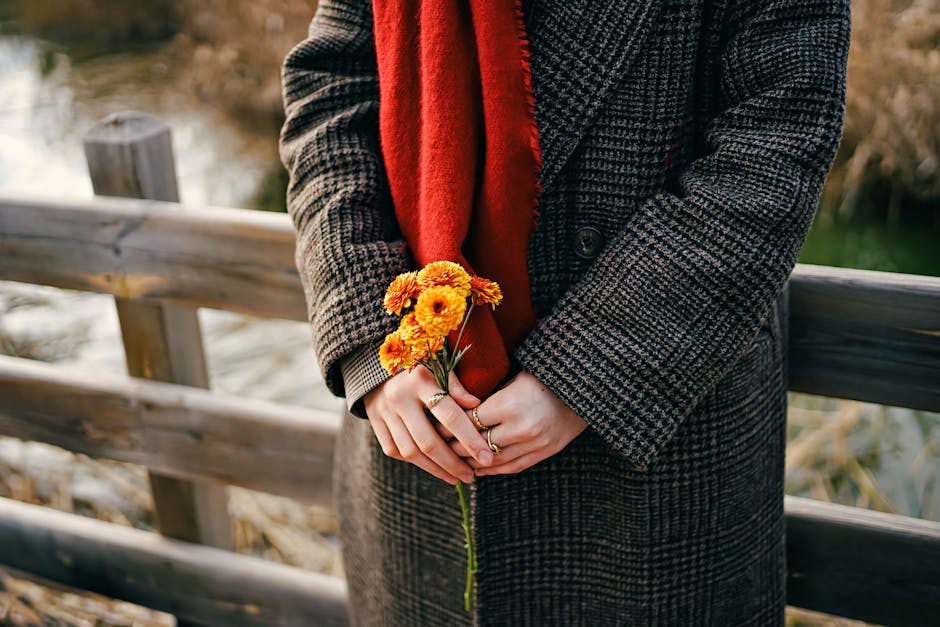
If you want that specific ‘cloud-like’ look that dominates the PetiteKnit pattern photos, you have to talk about silk mohair. Holding a strand of mohair alongside a base yarn is a technique used to add ‘halo’—that soft, fuzzy blur of fibers that catches the light. The most common combination is a fingering weight wool (like Isager Alpaca 2 or Tynn Silk Mohair) held together. This creates a fabric that is light but incredibly warm due to the air trapped in the mohair fibers.
However, there is a trick to doing this well. If you choose a mohair that is too ‘hairy,’ you will end up with fibers in your mouth and eyes every time the wind blows. I prefer Isager Silk Mohair (approx £13) because the fibers are long and well-anchored to the silk core, meaning it sheds less than cheaper alternatives. Pairing it with a crisp wool like Isager Alpaca 2 gives the scarf a sophisticated, matte finish. The pro of this combo is the color depth; by using two slightly different shades of yarn, you can create a ‘marled’ effect that looks much more expensive than a flat solid color.
A word of caution for the mohair-curious: check the silk content. Cheap ‘mohair’ often uses polyester or nylon as the core thread. This makes the yarn sweaty and prone to static. A high-quality silk mohair will be at least 25-30% silk. This silk core is what gives the Sophie Scarf its strength. Without it, the mohair fibers have nothing to cling to, and your scarf will eventually go bald in the high-friction areas around the back of the neck. If you find mohair too irritating, try a ‘brushed alpaca’ yarn instead. It offers a similar halo but the fibers are generally smoother and less ‘pokey’ than mohair scales.
Comparing Yarn Texture and Stitch Definition for the I-Cord Edge
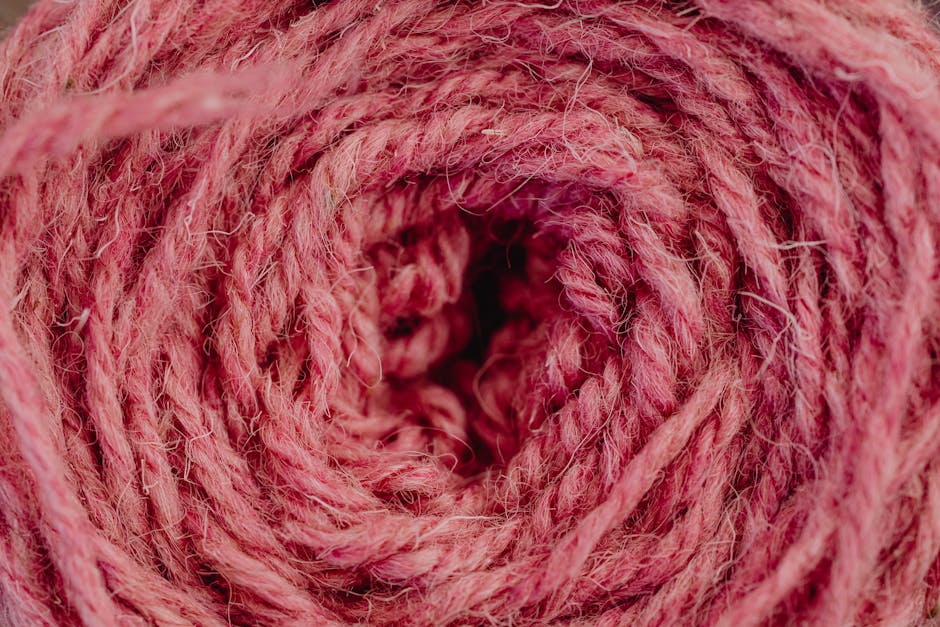
The i-cord edge is the soul of the Sophie Scarf. It provides a rounded, finished border that hides the messy turns of garter stitch. Not all yarns treat the i-cord equally. A very ‘fuzzy’ yarn, like a blow-yarn (where fibers are blown into a nylon tube), will obscure the i-cord entirely. It will just look like a thick, blurry edge. While some people like this, I think it loses the architectural intent of the pattern. For the best stitch definition, you want a ’round’ yarn—one where the plies are clearly visible and the yarn itself looks like a tiny rope.
De Rerum Natura Gilliatt is a wonderful example of a yarn that loves an i-cord. It is a French merino/Mérinos d’Arles blend that is woolen-spun but surprisingly crisp. It has a ‘bounce’ that makes the i-cord pop. Another fantastic option is Lana Gatto Super Soft. It is a very smooth, multi-ply merino that creates an almost machine-perfect finish. If you are looking for that crisp, clean, minimalist look, stay away from single-ply yarns or anything with a lot of variegated color. Busy, multi-colored yarns ‘break up’ the line of the i-cord, making it look uneven even if your tension is perfect.
Finally, consider the seasonal aspect. If you are knitting a Sophie Scarf for Spring or Summer, a wool-cotton blend like Sandnes Garn Line (Cotton, Viscose, Linen) is a brilliant alternative. It has zero ‘bounce,’ which makes the knitting a bit harder on the hands, but the resulting scarf is heavy, cool, and has a beautiful drape. The i-cord in a cotton blend looks almost like jewelry—very defined and sculptural. Just be aware that cotton blends have no ‘memory,’ so if you stretch the scarf out, it won’t snap back like wool will. You’ll need to block it back into shape after every few wears.
In my years of knitting these, I’ve realized that the ‘best’ yarn is the one you actually want to wear. Don’t knit it in a scratchy wool just because it was cheap, and don’t knit it in mohair just because it’s trendy if you hate the feeling of fuzz. This scarf is a small luxury. Treat it as such, and it will become the most-worn item in your winter rotation. Whether you go for the £2 Drops Karisma or the £24 Cardiff Cashmere, the key is the tension of your stitches and the love you put into those repetitive garter rows.