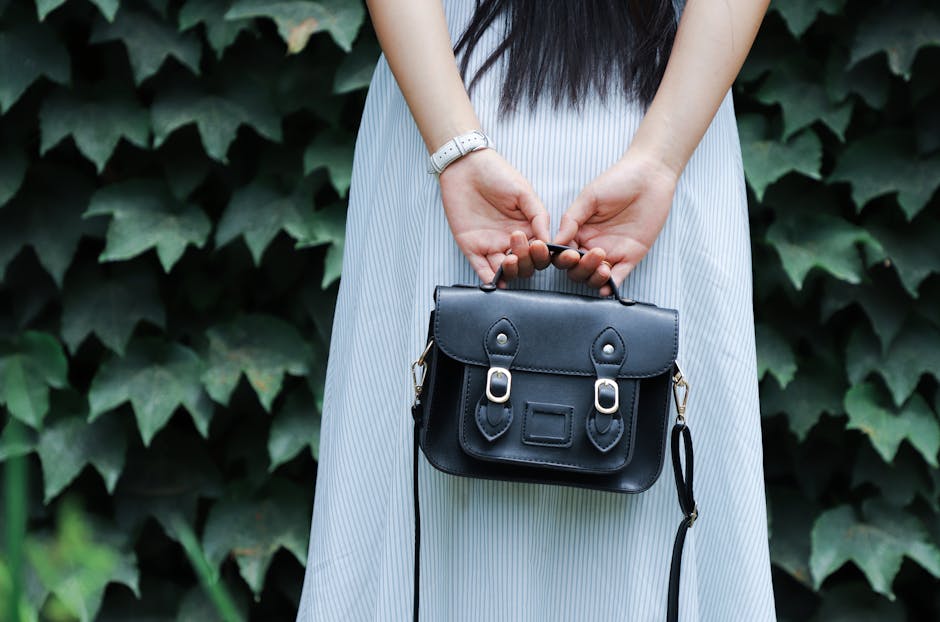
Handbag Manufacturers: Understanding Quality and Craftsmanship 2026
Imagine finding that perfect handbag. It complements every outfit. It holds all your essentials. But then, after just a few months, a seam frays, the zipper snags, or the strap breaks. This frustration often stems from overlooked manufacturing quality. Understanding who makes the best handbags and why is key to making a smart purchase. It’s not just about the brand name; it’s about the silent hands that build it.
The world of handbag manufacturing varies wildly. From small artisan workshops to vast industrial complexes, each approach dictates the final product’s durability, aesthetic, and price point. Knowing the signs of quality manufacturing helps you invest wisely, ensuring your bag lasts years, not just seasons. We break down the core elements that define excellence in handbag creation, revealing what separates a truly superior bag from a fleeting trend.
The Core Pillars of Handbag Quality
Handbag quality isn’t accidental. It’s a deliberate outcome of several interconnected factors. These factors, often invisible to the casual observer, determine a bag’s longevity, aesthetic appeal, and functional performance. Focusing on these pillars helps distinguish genuine value from inflated branding.
Material Selection: Beyond Surface Appearance
The foundation of any high-quality handbag starts with its materials. This goes far beyond simply choosing leather or canvas. For leather, factors like grain, tanning process, and origin matter significantly. Full-grain leather, for example, is the most durable and develops a rich patina over time because it retains its natural markings and integrity. Top-grain leather is sanded to remove imperfections, making it softer but slightly less durable. Corrected-grain and bonded leather are often lower quality, with a less natural feel and shorter lifespan. Beyond leather, high-quality canvas, durable nylons, and innovative vegan alternatives like Piñatex (made from pineapple leaf fibers) or Mylo (mushroom-based leather) can also signify robust construction if properly processed and treated. Manufacturers like Hermès are renowned for sourcing specific types of calfskin, crocodile, and ostrich leather, often from exclusive tanneries, ensuring unparalleled texture and resilience.
Construction Techniques: Stitch by Stitch
The way a bag is put together is critical. Hand-stitching, common in ultra-luxury items, offers superior strength and durability compared to machine stitching. Saddle stitching, a technique where two needles simultaneously pass through the same hole, creates a virtually unbreakable seam. For machine-stitched bags, high stitch count per inch indicates better quality, preventing unraveling. Reinforced stress points, such as where handles attach to the body, are also essential. These might involve extra layers of material, internal plating, or specific stitching patterns like box-X stitching. A well-constructed bag will have neatly finished edges, either painted, turned, or piped, preventing fraying and adding to the bag’s structural integrity. Chanel, for instance, uses a specific diamond quilting technique that requires precise alignment and robust stitching to maintain its iconic form over decades.
Hardware Durability and Finish: The Details That Last
Hardware—zippers, buckles, clasps, feet, and rings—plays a crucial role in both function and aesthetics. Cheap hardware is often the first component to fail. High-quality hardware is typically made from solid brass, stainless steel, or durable alloys, often plated with precious metals like gold or palladium for resistance to tarnishing and scratching. YKK Excella zippers are a benchmark for smooth operation and durability, often found in premium bags. Clasps should operate smoothly and securely, not feel flimsy. The weight and feel of hardware can also indicate quality; heavier, solid pieces typically signify better materials. Louis Vuitton, for example, uses custom-made brass hardware, often with a unique patina that develops with age, reflecting its quality and resilience.
Understanding Different Manufacturing Approaches

The path a handbag takes from concept to consumer greatly influences its final form, function, and cost. Different manufacturing approaches cater to distinct market segments, each with its own advantages and hallmarks of quality.
- Artisanal and Bespoke Production: The Pinnacle of Craftsmanship
This approach involves skilled artisans handcrafting bags, often one at a time, with meticulous attention to detail. Materials are typically of the highest quality, and construction relies on traditional techniques like saddle stitching and edge painting. The focus is on precision, durability, and a unique, personal touch. Brands like Hermès operate largely on this model, where individual craftspeople are responsible for an entire bag from start to finish. This results in extremely high quality, often with a long waiting list, and a premium price point. Repairs are often handled by the original artisan or a specialist team, ensuring the bag’s integrity is maintained.
- Luxury Manufacturing: Blending Tradition with Scale
Many high-end brands combine artisanal methods with more streamlined production processes. While still using premium materials and skilled labor, they often employ specialized teams for different stages of the bag-making process (e.g., one team for cutting, another for stitching, another for finishing). This allows for greater output while maintaining stringent quality control. Brands like Chanel, Prada, and Gucci fall into this category. They invest heavily in design, material research, and quality assurance, often owning their tanneries and hardware factories to control every aspect of production. Quality is exceptionally high, but the individual touch of bespoke work is less prevalent.
- High-Quality Mass Production: Efficiency Meets Excellence
This segment focuses on producing a larger volume of bags while still upholding significant quality standards. They advanced machinery and efficient assembly lines but select good materials and maintain strict quality checks. Brands like Coach and Michael Kors exemplify this. They offer excellent value, durable bags, and contemporary designs at a more accessible price point than ultra-luxury brands. Their quality comes from rigorous testing, consistent material sourcing (often top-grain leather or durable synthetic alternatives), and streamlined, standardized production processes that minimize errors.
- Fast Fashion and Entry-Level Production: Volume Over Longevity
At the other end of the spectrum is manufacturing focused on rapid trends and low costs. These bags often use synthetic materials, bonded leather, or lower-grade textiles. Construction typically involves extensive use of adhesives and minimal stitching, leading to a shorter lifespan. The emphasis is on immediate visual appeal and affordability rather than long-term durability. While serving a market need for accessible fashion, these bags are not built to last and often contribute to textile waste.
Top-Tier Handbag Manufacturers by Craftsmanship
When discussing the pinnacle of handbag craftsmanship, certain manufacturers consistently stand out for their unwavering commitment to quality, heritage, and meticulous attention to detail. These brands have set the standard for luxury and durability, often employing generations of skilled artisans.
| Manufacturer | Core Philosophy | Signature Craftsmanship | Typical Price Range (USD) |
|---|---|---|---|
| Hermès | Uncompromising artistry, bespoke tradition, ultimate exclusivity. | Saddle stitching, single artisan production, rare exotic leathers, hand-finished edges. | $8,000 – $500,000+ |
| Chanel | Elegant design, timeless appeal, blending tradition with modern luxury. | Diamond quilting, ‘bag in a bag’ construction, meticulous chain weaving, lambskin/caviar leather. | $5,000 – $12,000+ |
| Louis Vuitton | Heritage, innovation, travel-centric design, iconic monogram canvas durability. | Heat-stamped branding, robust Vachetta leather trim (ages with patina), specialized canvas coating. | $1,500 – $15,000+ |
| Prada | Minimalist aesthetic, innovative materials, industrial chic, precise detailing. | Saffiano leather (crosshatch print), precise geometric construction, signature triangle logo hardware. | $1,800 – $8,000+ |
These manufacturers are not just selling bags; they are selling a legacy of skill and dedication. Hermès, for example, is famous for its intensive training program, taking years to develop a master artisan capable of crafting a single Birkin or Kelly bag from start to finish. This level of personal ownership over the creation ensures exceptional quality control and a unique connection to the product. Chanel’s iconic 2.55 flap bag, first released in 1955, still follows many of its original construction methods, ensuring consistency in its luxurious feel and enduring structure. Louis Vuitton’s heritage in travel goods means their canvas and leather goods are built for resilience and practical use, enduring various climates and conditions. Prada stands out for its embrace of modern materials, like its signature nylon, transforming industrial textiles into high fashion through superior manufacturing and design.
Mid-Range Brands Delivering Exceptional Value

For those seeking excellent quality without the ultra-luxury price tag, several mid-range brands consistently deliver. My pick for the best value in this category goes to Coach. They have significantly elevated their craftsmanship and material quality in recent years, distinguishing themselves from many competitors.
Coach: A Resurgence in Quality
Coach has made a strong comeback, focusing on full-grain leathers and sophisticated designs. Their manufacturing processes now emphasize durability and classic appeal. Many Coach bags feature solid brass hardware, robust stitching, and well-structured interiors. They often use high-quality glove-tanned leather, known for its softness and resilience, which ages beautifully. The brand’s attention to detail, from cleanly finished edges to durable linings, offers a palpable sense of quality that often exceeds its price point. Their commitment to restoration and repair services also speaks to their confidence in the longevity of their products, encouraging a more sustainable approach to handbag ownership. Coach’s recent collections demonstrate a clear dedication to superior construction and material choices, making them a top contender for accessible luxury.
Other Notable Value Manufacturers
Beyond Coach, brands like Michael Kors and Kate Spade also offer strong value. Michael Kors, particularly their higher-end collections, provides stylish designs with decent material quality, often featuring Saffiano leather which is known for its scratch resistance. Kate Spade focuses on playful, structured designs with a good balance of durability and aesthetic appeal, using treated leathers and sturdy hardware. While they may not use the same exotic leathers or hand-stitching techniques as the top-tier luxury brands, their manufacturing is solid, delivering reliable everyday bags that hold up well with proper care. These brands understand the market for fashionable, well-made bags that don’t require a five-figure investment.
The Rise of Ethical and Sustainable Production
The conversation around handbag manufacturing increasingly includes ethics and sustainability. Consumers now demand transparency not only in materials but also in labor practices and environmental impact. This shift is pushing manufacturers across all price points to rethink their supply chains and production methods.
Prioritizing Responsible Sourcing and Labor
Responsible sourcing means ensuring materials are acquired without exploiting natural resources or human labor. For leather, this involves tracing hides to farms that practice ethical animal husbandry and tanneries that manage water and chemical waste responsibly. Brands are also exploring alternatives to traditional leather, such as vegan leathers made from fruit waste (e.g., apple skin, cactus) or lab-grown biomaterials. Ethical labor practices mean fair wages, safe working conditions, and no child labor throughout the supply chain. Many manufacturers are seeking certifications like Fair Trade or aligning with international labor standards to demonstrate their commitment. This can involve third-party audits of factories and public reporting on labor conditions, ensuring that the hands crafting the bags are treated with respect and dignity.
Minimizing Environmental Footprint
Sustainability in manufacturing extends to reducing the environmental footprint of production. This includes minimizing waste, conserving water, and using renewable energy sources. Some manufacturers are adopting circular economy principles, designing bags for longevity and repairability, and even offering take-back programs to recycle or upcycle old bags. The use of recycled materials for linings, hardware, or even the main body of the bag is becoming more common. For instance, some brands are using ECONYL regenerated nylon, made from ocean waste, for their bags. Investing in local production can also reduce transportation emissions. This move towards sustainability isn’t just about ‘greenwashing’; it’s about a fundamental shift in how products are made, reflecting a growing awareness of the planet’s finite resources and the long-term impact of manufacturing choices.
Spotting a Quality Handbag: What to Look For
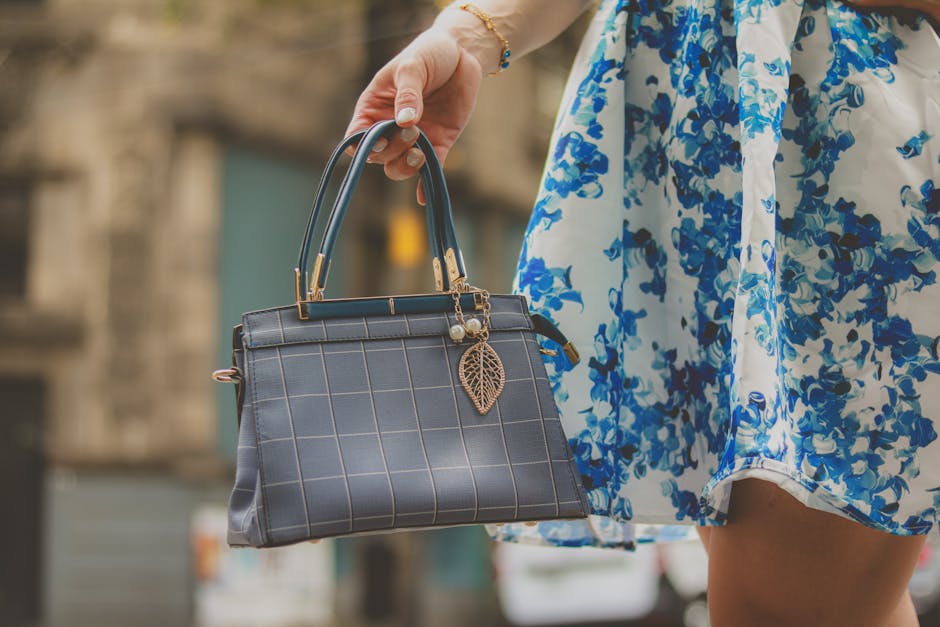
Identifying a well-made handbag doesn’t require an expert eye, but it does demand attention to detail. Knowing what to scrutinize can save you from buyer’s remorse and ensure your investment lasts.
How do I check the stitching?
Examine the stitching closely. It should be neat, even, and free of loose threads. High-quality bags will have a consistent stitch length and density. Look for double stitching or reinforced stitching at stress points like handles, straps, and where panels meet. Uneven, crooked, or sparse stitching is a clear red flag, indicating poor craftsmanship that will likely unravel over time. Pay particular attention to corners and curves; these areas are challenging to stitch perfectly, and imperfections here reveal a manufacturer cutting corners.
What hardware is best for durability?
Good hardware feels substantial. It should be solid metal (brass, stainless steel, or durable alloys), not hollow or lightweight. Zippers should glide smoothly without catching or resistance. Look for brand names on zippers, like YKK, Riri, or Lampo, which are known for quality. Clasps and buckles should operate crisply and securely. Hardware finish should be even, without chipping, bubbles, or discoloration, suggesting quality plating that won’t easily wear off. Pay attention to how hardware is attached; screws, rivets, or strong stitching are preferable to simple gluing.
Are the edges and lining important indicators?
Absolutely. The edges of a handbag should be neatly finished, either painted, rolled (turned-edge construction), or piped. Sloppy or sticky edge paint that cracks or peels easily indicates lower quality. The lining should be made of a durable material, such as thick cotton, linen, or even leather, and sewn in neatly without puckering or excess fabric. A flimsy, ill-fitting, or easily torn lining suggests the manufacturer skimped on internal components, which are crucial for the bag’s structure and longevity. A well-constructed bag will have a lining that feels integrated, not an afterthought.
How can I assess the leather or material quality?
For leather, feel the texture. High-quality leather feels supple, not stiff or plastic-like. It should have a natural scent, not a chemical odor. Look for natural variations in grain, especially with full-grain leather. If it’s too perfect, it might be heavily processed or synthetic. For other materials like canvas or nylon, check for dense weaves, even color, and a sturdy feel. The material should hold its shape well when empty, without collapsing. A manufacturer using premium materials will often provide details on the specific type of leather or fabric used.