The 3-Layer Winter Jacket System: Why One Coat Never Works
Most men buy one winter coat. A heavy parka. A puffer. A wool overcoat. Then they wear it for everything — commuting, walking the dog, dinner out, shoveling snow. And they’re either sweating on the subway or freezing at the bus stop.
The problem isn’t the jacket. It’s the system. One coat can’t handle variable conditions. But three layers can. Here’s the exact system used by outdoor professionals and why it works better than any single jacket.
Why a Single Winter Jacket Fails (The Physics of Cold)
Your body generates heat. A jacket traps that heat. But heat isn’t the only factor. Wind strips warmth. Moisture (sweat) conducts cold. Activity level changes how much heat you produce.
A single heavy jacket does one thing: insulate. It can’t regulate. When you walk fast, you overheat. When you stop, you chill. When it rains, you get wet. When the wind picks up, the insulation compresses and loses effectiveness.
This is why the 3-layer system exists. Each layer does one job:
- Base layer: Wicks moisture away from skin
- Mid layer: Traps warm air for insulation
- Shell layer: Blocks wind, rain, and snow
You adjust by adding or removing layers. Walk to the train? Unzip the shell. Standing outside? Zip up. Active? Drop the mid-layer. Static? Add it back.
A $400 insulated parka can’t do that. A $200 shell + $80 mid-layer + $30 base layer can.
The Base Layer: Merino Wool vs. Synthetic (Which One to Buy)
The base layer sits against your skin. Its job is simple: move sweat away before it cools you down. Cotton kills in winter. It absorbs moisture and holds it against your skin. One minute you’re damp, the next you’re cold.
Two materials work: merino wool and polyester (or nylon) blends.
| Feature | Merino Wool | Synthetic (Polyester/Nylon) |
|---|---|---|
| Odor resistance | Excellent (3-5 days without smell) | Poor (smells after 1 day) |
| Warmth when wet | Yes | No |
| Drying speed | Moderate (2-3 hours) | Fast (30-60 minutes) |
| Price per shirt | $50-$90 | $20-$40 |
| Durability | Moderate (needs gentle washing) | High (machine wash, no issues) |
For most men, a 150-200g/m² merino crew neck is the best winter base layer. Uniqlo sells a solid one for $40. Icebreaker starts at $70 but lasts years. For high-sweat activities (running, skiing), go synthetic — the Patagonia Capilene Cool Daily ($45) dries faster than any wool.
Wear the base layer against skin. No undershirt. That’s the point.
Mid-Layer Insulation: Fleece, Down, or Synthetic Fill?
This is the insulation layer. It traps air. The more trapped air, the warmer you are. Three options exist, each with tradeoffs.
Fleece (Active Use)
Fleece breathes. It lets sweat escape while still providing warmth. The Patagonia Better Sweater ($139) is the gold standard for casual wear. The Patagonia R1 ($169) is thinner, more technical, and works better for active use. Fleece loses almost all insulation value when wet, but it dries fast.
Best for: Walking, commuting, errands. Not for standing still in freezing rain.
Down (Maximum Warmth, Minimum Weight)
Down compresses small and provides the best warmth-to-weight ratio. A 700-fill down jacket from The North Face ($250) packs into a fist-sized stuff sack and keeps you warm at -10°C. Down fails when wet — it clumps and loses insulation entirely.
Best for: Dry cold, stationary use, travel. Not for rain or high sweat.
Synthetic Fill (Wet Weather Champion)
Synthetic insulation (Primaloft, Thermoball) mimics down but retains warmth when wet. The Arc’teryx Atom LT ($300) is the most versatile mid-layer on the market. It’s warm enough for -5°C alone, breathable enough for active use, and shrugs off light rain.
Best for: Wet cold, variable conditions, all-around use. The Atom LT is the single mid-layer I recommend to anyone who can’t buy multiple.
Verdict: For a single mid-layer, buy the Arc’teryx Atom LT ($300). It handles 90% of winter situations. If you live in a dry cold climate (Colorado, Alberta), a Uniqlo down vest ($50) under a shell works for half the price.
The Shell: Waterproof vs. Water-Resistant (When Each Matters)
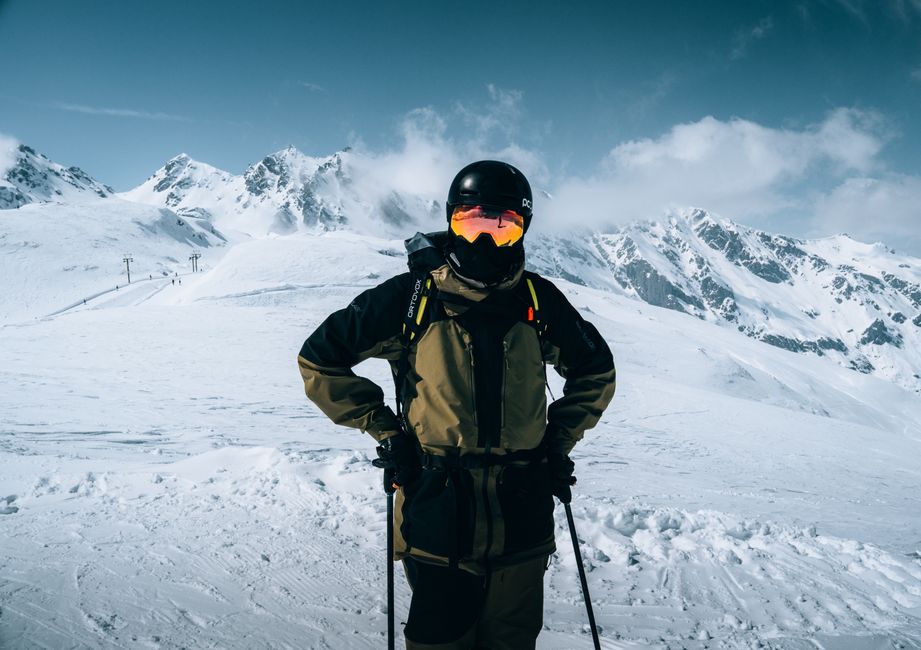
The shell is your outer layer. It blocks wind, rain, and snow. It does NOT provide warmth. The warmth comes from the layers underneath.
Two categories: waterproof and water-resistant.
Waterproof shells use a membrane (Gore-Tex, Futurelight, H2No) that blocks liquid water while letting vapor escape. These are expensive ($300-$700) and less breathable, but essential for heavy rain or snow. The Arc’teryx Beta LT ($550) is the benchmark. It’s light, packable, and completely waterproof. For a budget option, the Marmot PreCip ($100) works well for occasional use.
Water-resistant shells use a DWR (durable water repellent) coating. They handle light rain and snow but wet through in a downpour. They’re cheaper ($80-$200), more breathable, and more comfortable for daily wear. The Patagonia Torrentshell 3L ($180) is a sweet spot — it’s waterproof enough for most city winters and costs half of Gore-Tex options.
Here’s the rule: If you spend more than 30 minutes outside in rain, buy waterproof. If you’re mostly going from car to building, water-resistant is fine.
Don’t buy a shell with built-in insulation. Parkas combine shell and insulation into one piece. That makes them heavy and inflexible. You can’t remove the insulation when you’re active. A separate shell + mid-layer is always better.
When to Ignore the 3-Layer System (And Buy a Parka Instead)
The 3-layer system isn’t universal. Some situations call for a single heavy jacket.
Extreme cold (-20°C and below). When it’s that cold, you need maximum insulation with zero gaps. A parka like the Canada Goose Expedition ($1,200) or Patagonia Frozen Range ($799) uses thick down and a windproof shell in one piece. Layering underneath is still possible, but the jacket itself does most of the work.
Short outdoor exposure. If you walk from your front door to your car and into the office, a single mid-weight puffer (Uniqlo Ultra Light Down, $80) is enough. You don’t need a system for 5 minutes outside.
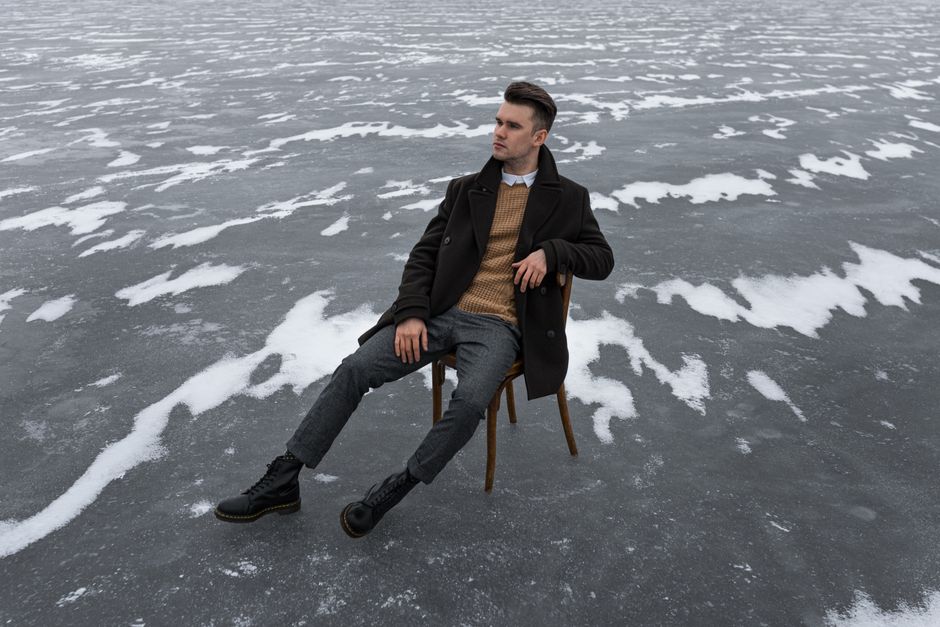
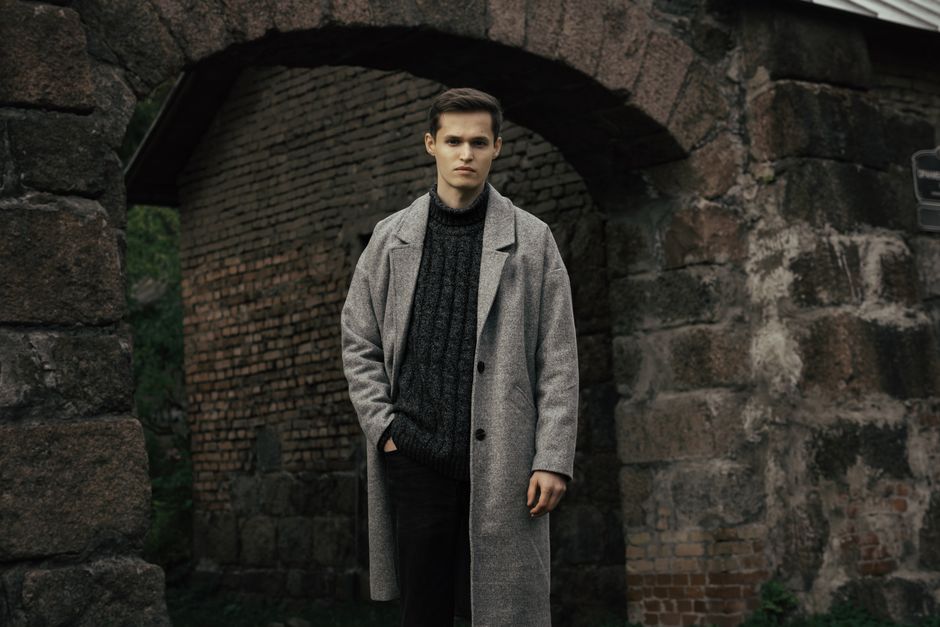
Style requirements. A wool overcoat looks better in a business casual office than a technical shell. The 3-layer system works under a wool coat too. Wear a merino base layer + thin synthetic mid-layer under a Schott peacoat ($500) or Suitsupply overcoat ($600). You get warmth without looking like you’re about to climb Everest.
The mistake is buying a parka for -5°C city winters. You overheat indoors. You can’t adjust. You look bulky. A 3-layer system gives you more control.
Budget Breakdown: Building a 3-Layer System at 3 Price Points

| Layer | Budget ($150 total) | Mid-Range ($400 total) | Premium ($900 total) |
|---|---|---|---|
| Base Layer | Uniqlo Heattech ($20) | Icebreaker 200 Oasis ($90) | Smartwool Merino 250 ($110) |
| Mid Layer | Uniqlo Ultra Light Down ($80) | Patagonia Better Sweater ($139) | Arc’teryx Atom LT ($300) |
| Shell | Marmot PreCip ($100) | Patagonia Torrentshell 3L ($180) | Arc’teryx Beta LT ($550) |
At the budget level, you get adequate warmth for -5°C to 0°C with some limitations. The Heattech base layer works but smells after a day. The PreCip is waterproof but less breathable. This setup handles a typical mild winter.
At mid-range, you get real merino wool (no smell), a fleece that looks good in casual settings, and a shell that handles most weather. This covers -10°C to 5°C comfortably.
At premium, you get the best breathability, lightest weight, and most durable materials. The Atom LT + Beta LT combo works from -15°C to 10°C by adjusting layers underneath. This setup lasts 5+ years.
The mid-range setup is the best value for most men. The Icebreaker base layer lasts years. The Torrentshell handles rain and snow. The Better Sweater works as a standalone jacket in fall. You get three pieces that work individually and together.
The Exact Winter Jacket System I Recommend (One Setup for Each Climate)
Stop overthinking. Here are three specific setups based on where you live.
Mild winter (0°C to 10°C, occasional rain): Uniqlo Heattech base layer ($20) + Patagonia Better Sweater ($139) + Marmot PreCip ($100). Total: $259. This handles drizzle, wind, and cool temps. Skip the shell on dry days.
Cold winter (-10°C to 0°C, snow, variable activity): Icebreaker 200 Oasis base ($90) + Arc’teryx Atom LT ($300) + Patagonia Torrentshell 3L ($180). Total: $570. The Atom LT does most of the work. Add the shell for wind and snow. Remove the shell indoors.
Extreme cold (-20°C and below, dry): Smartwool Merino 250 base ($110) + Patagonia Frozen Range parka ($799). Total: $909. At these temperatures, you need a parka. The 3-layer system still applies underneath, but the parka is doing the heavy lifting. The Frozen Range is warmer than Canada Goose at half the price.
Business casual winter (commute + office): Uniqlo Heattech base ($20) + Uniqlo Ultra Light Down vest ($50) + Schott peacoat ($500). Total: $570. The vest adds warmth without bulk. The peacoat looks professional. Remove the vest in the office.
One final rule: never wear cotton as a base layer in winter. Not a cotton t-shirt, not cotton socks. Cotton kills. Merino or synthetic only. That single change will make more difference than any jacket upgrade.