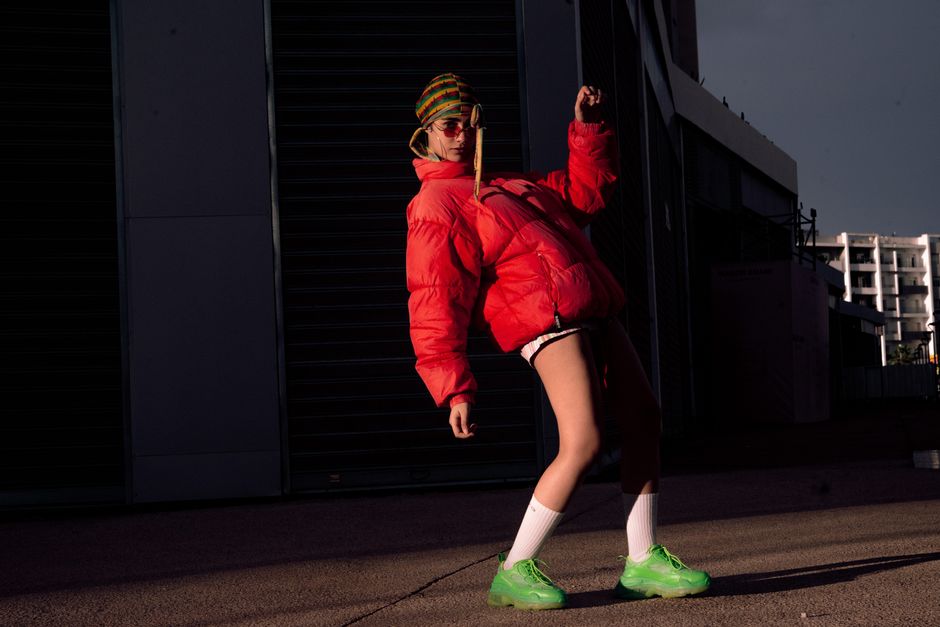
Gender-Neutral Streetwear Wardrobe: Gender-Neutral Streetwear: The Silhouette Rule That Replaces Sizing
I stopped looking at size tags three years ago. Not because I had some profound identity revelation, but because a medium from Carhartt WIP fit me like a tent while a medium from Uniqlo U fit like a compression shirt. The sizing system in streetwear is broken. The fix? Ignore the letter on the tag. Look at the silhouette measurements instead.
Most guides tell you to “buy unisex.” That’s lazy advice. A boxy, cropped work jacket and a longline oversized tee both fall under “unisex” but create completely different shapes on different bodies. This piece is about the actual framework: how to read garment measurements, which silhouettes translate across body types, and which brands engineer their cuts properly instead of just slapping a unisex label on a men’s medium.
The Silhouette-First Framework
Stop thinking in gender categories. Start thinking in three silhouette buckets: Boxy-Cropped, Straight-Drop, and Oversized-Elongated. Each one interacts with shoulders, hips, and height differently.
Boxy-Cropped pieces have a wide chest measurement (typically 22-26 inches across for a size M equivalent) and a short body length (22-25 inches from shoulder to hem). They end at or above the hip bone. This cut works on almost any frame because the width creates structure while the crop prevents the “swallowed by fabric” look. The risk: if you have a longer torso, a 22-inch length turns into a belly shirt. Measure your ideal crop point before buying. The Carhartt WIP Detroit Jacket ($178) in a size S hits exactly this boxy-cropped sweet spot with a 23.5-inch back length and 22-inch chest width.
Straight-Drop is the default for most “unisex” tees and hoodies. The shoulder-to-hem line runs perpendicular to the floor, with minimal taper at the waist. The Entireworld Organic Cotton Tee ($38) cuts a true straight-drop with a 20.5-inch chest on size M and zero side-seam shaping. This silhouette is forgiving but boring. It rarely looks intentional. Use it as a base layer, not a statement piece.
Oversized-Elongated pushes past the hip with lengths of 28-32 inches. The Yeezy Gap Perfect Hoodie ($90, now resale only) popularized this: 26-inch chest, 28-inch back length on a size M. The dropped shoulder seam sits 3-4 inches past the natural shoulder bone. This cut adds visual weight to the upper body. If you’re broader in the hips, the elongation pulls the eye upward.
Why Shoulder Seams Matter More Than Chest Size
The single measurement that determines whether a piece reads as “intentionally oversized” or “doesn’t fit” is the shoulder seam drop. Measure your actual shoulder width (bone to bone across the back). Compare it to the garment’s shoulder measurement. A 2-3 inch drop reads as relaxed. A 4-6 inch drop reads as oversized streetwear. Anything beyond 6 inches looks sloppy unless the fabric has enough structure to hold shape.
The Fabric Weight Test
Gender-neutral cuts rely on structure. A lightweight 5oz jersey in an oversized cut collapses and clings. A 10-14oz heavyweight cotton holds the intended shape regardless of what’s underneath. The LA Apparel 1801GD Garment Dye Tee ($32) uses a 7.5oz cotton — it’s the minimum viable weight for a boxy cut to hold its lines. Below that, the fabric follows the body’s contours and the silhouette disappears.
Brands That Engineer Cuts vs. Brands That Resize

There’s a fundamental split in how brands approach gender-neutral clothing. One group actually designs for multiple body types from scratch. The other group takes a men’s block pattern, shrinks or expands it, and calls it unisex. The difference shows up in the armhole, the hip width, and the dart placement.
| Brand | Approach | Key Piece | Price | What They Get Right |
|---|---|---|---|---|
| Phipps | Engineered from scratch | Cotton Workwear Pant | $340 | Curved waistband that sits on hip bone, not waist. No gaping at back. |
| Noah | Engineered from scratch | Core Logo Hoodie | $168 | Armhole cut higher and smaller to prevent bunching on narrower shoulders. |
| Uniqlo U | Resized block patterns | Airism Oversized Tee | $19.90 | Cheap entry point, but shoulder drop is inconsistent between colorways. |
| Stüssy | Resized block patterns | Stock Logo Hoodie | $130 | Consistent heavyweight fleece. Armhole size unchanged from men’s block. |
Noah’s hoodie armhole is 1.5 inches smaller in circumference than Stüssy’s equivalent size. That single difference determines whether the sleeve pulls up when you raise your arms. Phipps goes further: their pants include a subtle front-to-back rise differential that accounts for hip-to-waist ratios across body types. It’s a $340 pant, but the engineering is visible in how it drapes.
When the Silhouette Rule Fails
This approach breaks down with structured tailoring, rigid denim, and anything with fixed waistbands. A pair of raw selvedge jeans has zero stretch. The waist measurement must be exact. No amount of “size up for an oversized fit” fixes a 2-inch gap. In these categories, you’re back to body-specific sizing. Accept it and move on.
The other failure point: extreme height differences. I’m 5’9″. My 6’3″ friend and I can share a boxy-cropped jacket. The 23.5-inch back length hits my hip. It hits his lower ribcage. Same garment, completely different visual effect. If you’re outside the 5’5″ to 6’1″ range, the crop point math changes. You need to measure your own torso length and do the subtraction yourself. No brand does this for you.
The 5-Piece Foundation

You don’t need a full wardrobe overhaul. Five pieces, chosen for silhouette interaction, cover 90% of fits.
- One heavyweight boxy tee. The LA Apparel 1801GD ($32) or Everybody.World Trash Tee ($48). 7oz minimum. Shoulder seam dropped 3 inches. Length 26-28 inches.
- One straight-leg wide pant. The Dickies 874 Original Work Pant ($28) in a size up from your waist measurement. The high rise sits at the natural waist, the straight leg falls clean over any shoe. No taper. No stretch.
- One cropped work jacket. Carhartt WIP Detroit ($178) or Stan Ray Painter Jacket ($98). Back length under 25 inches. Chest width 24+ inches.
- One mid-weight hoodie with structure. Noah Core Logo ($168) or Moojimooji 400GSM Hoodie ($72). 400GSM minimum. The hood should stand on its own when not worn — that’s the structure test.
- One long coat that hits below the knee. Arket Oversized Wool Coat ($250) or COS Voluminous Wool Coat ($350). This elongates the entire silhouette. It’s the counterbalance to the cropped jacket.
These five pieces layer together. The long coat over the cropped jacket creates a two-tier silhouette that works regardless of what’s underneath. The straight pant anchors everything. The boxy tee works alone or as a base. The hoodie fills the mid-layer slot.
The Only Measurement That Predicts a Return
I’ve returned more “gender-neutral” clothing than I’ve kept. The pattern is consistent. Every return had one of three problems: the armhole was too large, the hip width was too narrow, or the shoulder slope was cut for a frame I don’t have.
Armhole size is the silent killer. Brands that resize men’s patterns keep the men’s armhole. On a narrower shoulder frame, the armhole drops 2-3 inches lower than intended. The result is restricted arm movement and fabric bunching at the armpit. Measure the armhole circumference on a piece that fits you well. Compare it to the brand’s size chart. If they don’t list armhole measurements, email them. If they won’t tell you, that’s your answer.
Hip width matters on any piece that hits below the waist. A men’s straight-cut tee assumes narrower hips relative to chest. On a body with wider hips, the hem pulls and rides up. Look for pieces with a side slit or a hem that’s within 2 inches of the chest width measurement. A 22-inch chest and 18-inch hem = guaranteed riding up. A 22-inch chest and 21-inch hem = clean drape.
Stop Chasing the Unisex Tag
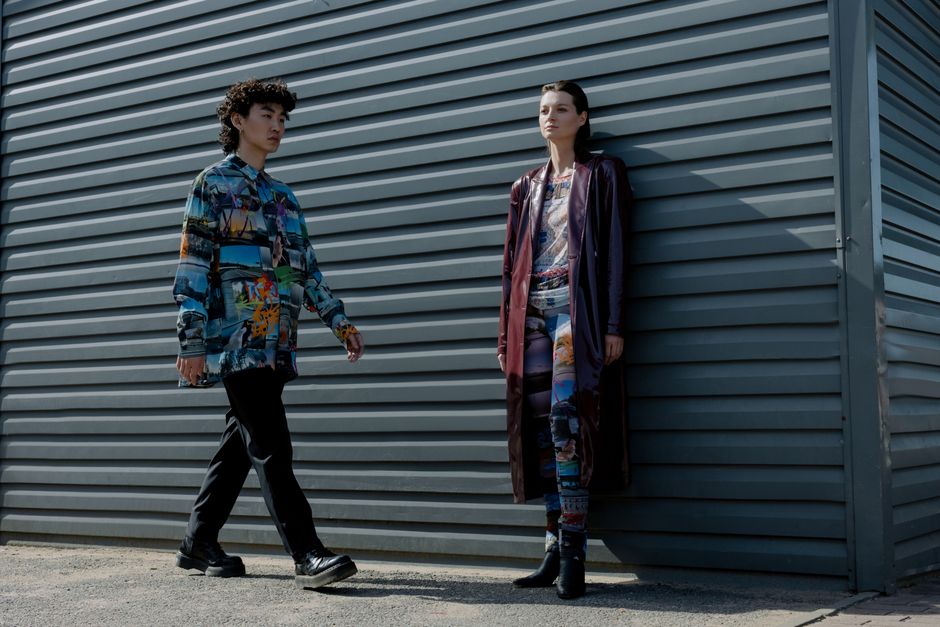
The “unisex” label is marketing. It tells you nothing about how the garment fits your specific body. A men’s XL and a women’s S might have identical measurements but completely different armhole, shoulder slope, and hip-to-chest ratios. The tag is irrelevant. The measurements are everything.
Build a note on your phone with four numbers: your ideal shoulder width, chest width, back length, and armhole circumference. Pull it up every time you shop. Ignore the size dropdown. Scroll straight to the size guide. If the numbers match, buy it. If they don’t, move on. The brand doesn’t matter. The silhouette does.
This approach takes longer than filtering by “unisex” on a retailer’s site. But it works every time. I haven’t returned a piece in two years.