Business Casual Outfit Formulas: Business Casual for Hybrid Work: Outfit Formulas
What should you wear when the morning starts on a video call, the afternoon moves to the office, and nobody has explained the dress code properly? After years of working across home offices, shared spaces, and client meetings, I have found that business casual works best as a small system rather than a pile of individual clothes.
The winning outfit has three jobs: look sharp from the waist up, feel relaxed enough for a full workday, and still make sense when you leave the house. These formulas keep those jobs separate, so getting dressed takes less guesswork.
The Best Business Casual Formula Starts With Structure
My strongest rule is simple: pair one structured piece with two relaxed pieces. A soft knit polo, straight-leg trouser, and unstructured jacket look polished without making you appear dressed for a board meeting. A stiff shirt, formal blazer, and shiny dress shoe often overshoot the brief.
Use the top layer to set the dress level
Your outer layer controls how formal the outfit feels. An unlined cotton blazer, chore jacket, overshirt, or fine-gauge cardigan adds shape without the hard shoulders and heavy padding found in traditional tailoring. Choose navy, charcoal, olive, stone, or dark brown first. These colors work with denim, chinos, wool trousers, and almost every neutral shirt.
Keep the base layer quiet
A plain Oxford shirt, merino crew neck, knitted polo, or heavyweight T-shirt gives the outfit a clean foundation. The neckline matters on camera: a crew neck or polo collar frames the face better than a loose V-neck. Avoid large graphics, thin white fabric, and busy checks that flicker on video.
Match comfort with visible polish
Hybrid work exposes bad comfort choices quickly. Sitting for six hours makes tight waistbands, rigid denim, and shoes with narrow toe boxes feel much worse than they did in the bedroom mirror. Choose trousers with room through the seat and thigh, then keep the hem clean rather than stacking fabric over the shoe. The verdict: build around a neat silhouette, not a formal label. A relaxed jacket with clean trousers looks more current than a full suit worn without a tie.
Choose the Right Formula for Each Workday
The same clothing can look right or wrong depending on the day. Use the table below as a quick decision guide. My pick for most hybrid workers is the middle formula: it handles video calls, commuting, and an ordinary office without looking overplanned.
| Workday | Top half | Bottom half | Shoe direction | Best verdict |
|---|---|---|---|---|
| Home calls only | Oxford shirt or knit polo | Stretch chino or clean dark denim | Minimal sneaker or house shoe | Prioritize camera framing |
| Home plus commute | Merino knit with overshirt | Roomy tailored trouser | Leather sneaker or loafer | Best everyday balance |
| Client meeting | Oxford shirt and soft blazer | Pressed wool trouser | Derby, loafer, or plain leather sneaker | Add structure, not shine |
| Creative office | Textured overshirt or camp-collar shirt | Black jean or pleated trouser | Retro sneaker or suede loafer | Texture replaces formality |
The two-minute adjustment
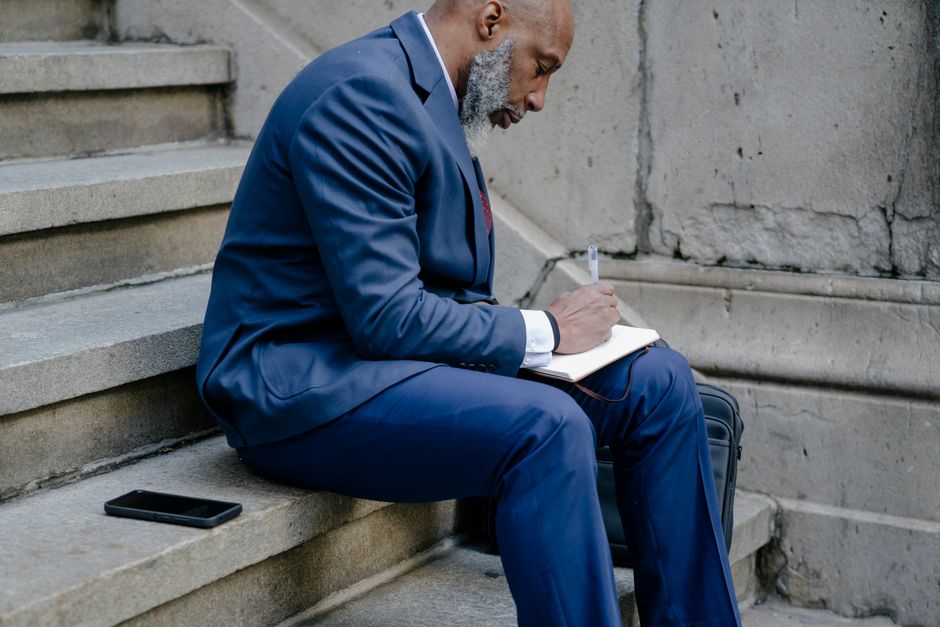
Start with the middle formula, then change one item. Swap the overshirt for a blazer before a client call. Replace the leather sneaker with a loafer if the office is formal. Roll nothing above the forearm and remove the jacket only after the meeting. One controlled change looks intentional; changing every piece creates costume-like styling.
Why the table works
Each outfit uses a clear visual anchor. The shirt handles the camera, the trousers handle movement, and the shoes signal the setting. That separation prevents the classic hybrid mistake of wearing a formal top with visibly casual sweatpants or treating dark denim as suitable for every office.
Build a Five-Piece Weekly Rotation
The most reliable wardrobe is a rotation, not a daily styling challenge. Five useful pieces can create several outfits if their colors and proportions cooperate.
- Start with two trousers. Pick one medium-to-dark chino and one wool-blend or technical trouser. A flat front gives a cleaner line for formal offices; a single pleat adds comfort and works well with cropped or fuller jackets.
- Add one dark jean. Choose an even wash with no distressing, fading, or contrast stitching. It belongs on casual office days, not presentations or first meetings.
- Choose two top layers. Use one soft blazer or tailored overshirt and one cardigan, chore jacket, or knit jacket. Both should finish around the hip rather than covering the seat.
- Keep three shirt types ready. An Oxford shirt handles formal moments, a knit polo adds shape without a tie, and a plain heavyweight T-shirt works beneath a jacket.
- Set a three-shoe limit. A clean leather sneaker, a brown loafer, and a dark Derby cover most hybrid schedules. Keep soles clean and laces intact. Shoes often decide if an outfit looks deliberate.
The fit check that saves the outfit
Stand naturally and place two fingers inside the waistband. You need room to sit without the button pulling. Shirt cuffs should reach the wrist bone, and the jacket sleeve should expose roughly 1 centimetre of shirt cuff. Trousers should touch the shoe with a light break or finish just above it. Anything pooling at the ankle makes relaxed clothing look accidental.
The color rule I use
Limit the outfit to three main colors. Navy trousers, a white shirt, and brown shoes are hard to ruin. Charcoal trousers, a pale blue Oxford, and black leather also work. Save brighter colors for one small item, such as a rust overshirt or green knit. The verdict: repeat strong combinations instead of chasing novelty every morning.
Hybrid Workwear Questions That Cause Most Mistakes

Can dark jeans count as business casual?
Yes, but only when the denim has a clean dark wash, a straight or tapered leg, and no visible damage. Pair it with an Oxford shirt, merino knit, or soft blazer. Do not wear dark jeans with a graphic T-shirt and running shoes when the office expects polished clothing. My verdict: dark denim is a useful third trouser, never the foundation of the whole wardrobe.
Are sneakers acceptable in a business casual office?
Minimal leather sneakers can work when the upper is plain, the sole is not heavily worn, and the shape is closer to a court shoe than a running shoe. Avoid mesh uppers, bright logos, thick performance foam, and dirty midsoles. A leather sneaker is the safer choice for commuting days; a loafer wins for client-facing work.
What should appear on a video call?
Wear a collar, texture, or a strong neckline near your face. A knitted polo or Oxford shirt reads better through a laptop camera than a thin T-shirt. Keep the top half lighter than a dark background, place the camera at eye level, and check that the collar sits flat. The verdict: camera-ready business casual needs contrast and shape more than expensive tailoring.
Which Specific Pieces Earn a Place in the Wardrobe?
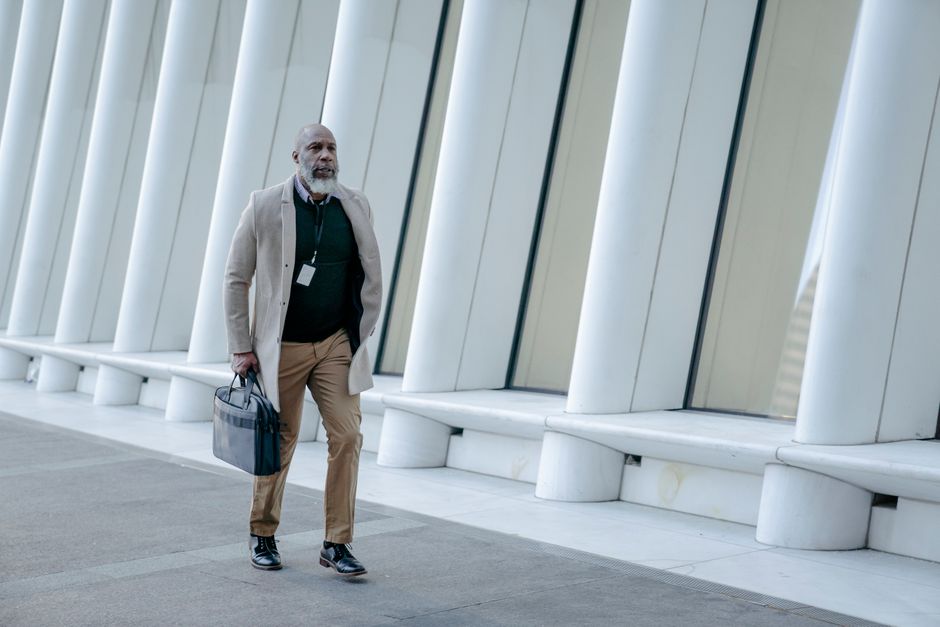
For most men, the best first purchase is a flexible trouser rather than another blazer. Trousers appear on every office day, survive long sitting, and expose poor fit more clearly than a jacket. The Lululemon ABC Classic-Fit Trouser in Warpstreme is a strong option for commuters who want four-way stretch and a cleaner shape than joggers. It is not the right pick for a conservative law office, but it is my winner for a relaxed hybrid workplace.
For a lightweight top layer, the Uniqlo AIRSENSE Jacket makes sense because its stretch fabric and unstructured build travel easily. It looks sharper over a knit polo than over a thin T-shirt. Do not buy it if your office expects traditional wool tailoring; the technical fabric gives away its casual side.
The Ministry of Supply Apollo Shirt is useful for people who move between a warm train, a cold office, and a home workspace. Its stretch-knit construction resists the stiff, trapped feeling of a standard woven shirt. Pair it with wool trousers for balance, since wearing technical fabric from head to toe can look more like travel clothing than workwear.
For shoes, the Clarks Un Aldric Step is the practical middle ground: a plain leather upper, a slip-on shape, and a less formal profile than a traditional Derby. It beats a running shoe for office polish but stays easier to wear than a hard-soled dress shoe. If your office is creative and sneaker-friendly, choose a simple leather court sneaker instead.
These pieces do not need to fill every wardrobe slot. Buy the category that solves your current failure first: trousers that pinch, shoes that look too sporty, or a top layer that collapses on camera. Business casual in 2026 is moving toward comfort with visible intent. The people who get it right will not look overdressed; they will look ready for the next setting without changing their identity between meetings.