
Cold-Weather Beard Oil That Does Not Stain Collars: Cold-Weather Beard Oil That Won’t Stain Collars
Winter air dries the skin under a beard, but a heavy oil can leave a dark ring on a white shirt collar before you reach the office. The safest choice is a fast-spreading formula used in a small dose, not simply a bottle labeled lightweight.
What a Low-Transfer Beard Oil Should Contain

Use this ingredient and texture screen
The strongest buying signal is not the word “natural” or a claim about shine. Look for a formula that describes fast absorption, a dry or light finish, and a short ingredient list built around thinner carrier oils. A pump or controlled dropper also helps because it limits accidental over-application.
- Look for jojoba, grapeseed, argan, or light sunflower oil near the top of the ingredient list.
- Be cautious when castor oil, olive oil, coconut oil, butter, or wax appears in a large proportion and your beard is short.
- Choose unscented or lightly scented formulas if the oil will touch a scarf or coat every day.
- Prefer a 1-ounce bottle when testing a new formula. A cheaper 2-ounce bottle is poor value if the texture stains clothing.
- Check the package for a batch date or a freshness statement, because oxidized oils can smell stale and feel heavier.
Match the finish to the beard, not the marketing
A dry finish works best for short beards, neat stubble, and office clothing. Medium-weight oil suits a beard of roughly 1 to 3 inches when the skin underneath flakes in winter. A richer oil or balm makes more sense for a long, coarse beard that needs shape and protection from wind, but it carries a higher transfer risk.
Do not confuse shine with moisture. A glossy surface can mean that the product is sitting on top of the hair. For winter comfort, the useful test is whether the skin feels calm after several hours and the beard stays soft without a slick film on the fingers.
The simple collar-risk test
Apply the planned amount to a clean beard in the morning. Wait 15 minutes, then press a white cotton handkerchief against the underside of the beard for five seconds. A faint, dry-looking shadow may be acceptable for a long beard that rarely touches the collar. A wet ring means the dose or formula fails your clothing test.
Verdict: buy for finish, absorption, and control at the dispenser. Ingredient buzzwords come second.
Four Beard Oils Compared for Collar Risk
The quick scorecard
How to read the table honestly
These are list-price snapshots rather than promises. Retail prices change, regional pricing differs, and a sale can reverse the order. The comparison is about formula shape and use case, not a claim that one bottle will behave identically on every beard.
Jack Black Beard Oil gets the clearest workwear recommendation because the 1-ounce size encourages restraint and the formula is marketed around fast-absorbing oils. Honest Amish Classic gives the most product per dollar and suits dry, dense facial hair, yet its long oil blend makes overuse more obvious. Mountaineer Brand offers the best scent control because its Bare option removes one source of risk, but castor oil means a heavy hand can still leave residue.
Verdict: for a pale shirt, choose Jack Black Beard Oil or the Bare version of Mountaineer Brand and start with one drop. For a long, dry beard, Honest Amish Classic wins only after you accept the need for careful application.
How to Apply Beard Oil Without Marking Fabric

The 60-second winter routine
- Wash or rinse the beard, then towel-dry until it is damp rather than wet. Water helps spread a small amount through the hair.
- Start with one drop for stubble, two drops for a beard under 1 inch, and three drops for a beard between 1 and 3 inches. A long beard may need more, but add one drop at a time.
- Warm the oil between your palms for five seconds. If your hands look glossy, you already have enough.
- Press your fingertips into the skin under the beard first. Do not dump the full dose on the outside, where it will sit on the hair and meet the collar.
- Use the leftover film on your palms across the sides, chin, and mustache. Keep the mustache especially light because it touches fabric and food.
- Comb from the cheeks downward, then wait 10 to 15 minutes before putting on a shirt, sweater, scarf, or coat.
The collar test before leaving home
Touch the underside of the beard with two clean fingers. They should feel conditioned, not wet. If your fingers slide or shine, blot the beard with a clean cotton towel and wait another five minutes. Do not add powder or dry shampoo to hide the oil; that can create a dull paste and transfer more debris into the collar.
Put on the shirt only after the beard feels dry to the touch. If the beard rests directly on the neckline, fold a clean tissue over the collar for a short test while you finish dressing. Remove it before leaving. This catches a bad dose before a meeting does.
Verdict: apply to damp skin, use less than your first instinct, and give the product a waiting period. Timing prevents more stains than a premium label.
Which Beard Oil Should You Buy for Work?
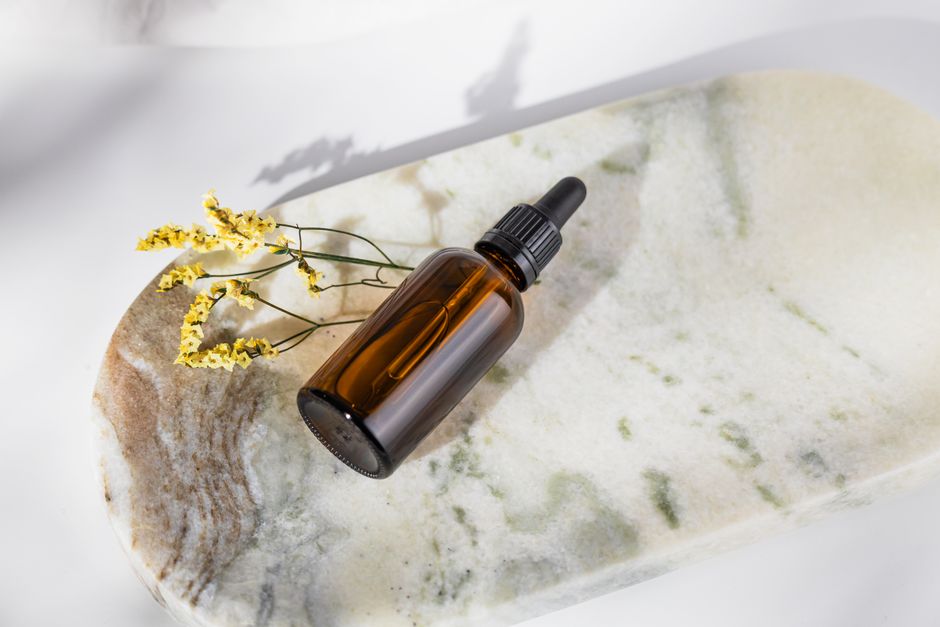
What is the best pick for a white shirt?
Start with one drop. If that does not reach the skin under a 2-inch beard, add a second drop after warming the first.
What is the best pick for a dry, full beard?
Honest Amish Classic Beard Oil is the strongest value for a fuller beard with dry skin. Its 2-ounce bottle and broad oil blend give coarse hair more cushion than a very thin formula. The tradeoff is clear: it is more likely to transfer if you apply it like a cologne. Use it after a shower on a damp beard, press it into the skin, and keep it away from a pale collar until it feels dry.
When should you choose a different product?
Mountaineer Brand provides a 1-ounce dropper bottle and an unscented Bare option, but the presence of castor oil means careful dosing still matters.
Do not buy a heavy oil simply because winter feels harsh. If your beard is short and the collar is the priority, choose a light conditioner or use a single drop twice a week. If your beard is long, coarse, and exposed to wind, a richer oil can earn its place, but test it on a white cotton cloth before wearing it with a dress shirt. Prices and availability vary by retailer in 2026, so compare the bottle size as well as the sticker price.
The clean resolution to the winter collar problem is simple: use a measured dose, apply it beneath the beard, wait before dressing, and match the formula to your hair length. A white shirt can survive cold-weather beard care when the oil conditions the beard instead of coating the collar.