
Veja vs Autry: The Better White Sneaker in 2026
A white leather sneaker is not automatically sustainable because it has a clean design or a premium price. The real test is the material trail, how long the shoe stays wearable, and whether you will reach for it three times a week. Veja wins on supply-chain transparency and lower-impact materials; Autry wins on soft leather, retro shape, and immediate comfort. For most buyers, Veja is the smarter purchase. Autry is the style-first alternative.
Veja and Autry: the sustainability gap is real
The brands are often placed in the same shopping basket, but they make different claims. VEJA publishes detailed material breakdowns for individual models, including recycled polyester, organic cotton, bio-based EVA, Amazonian rubber, and ChromeFree leather. Autry’s official Medalist pages focus more on leather quality, rubber construction, padded collars, and the brand’s 1980s tennis look. That does not make Autry a bad sneaker. It does mean you should not treat the two brands as equal sustainability choices.
The key models and US prices
| Model | September 2026 US price | Material details | Best use |
|---|---|---|---|
| VEJA Campo Leather White Natural | $175 | ChromeFree leather, 40% Amazonian rubber outsole, recycled polyester lining | Clean daily wear |
| VEJA V-10 B-Mesh White Nautico | $160 list; $112 sale | 100% recycled polyester upper, 40% Amazonian rubber outsole | Light, breathable wear |
| Autry Medalist Low White Leather | $240 | Leather upper, rubber sole, padded collar, breathable toe box | Premium retro styling |
| Autry Medalist Low White and Black Leather | $240 | Leather upper with black contrast panels and rubber sole | More visible branding |
What the price difference actually buys
The Campo costs $65 less than the standard white Autry Medalist. The difference buys Autry’s softer luxury feel and chunkier vintage profile, not a clearly better environmental record. VEJA also makes its sneakers in Brazil and publishes sourcing information for its leather, cotton, and rubber. Verdict: choose the VEJA Campo if sustainability is the deciding factor. Pick Autry only if its shape and leather finish are worth the extra $65 to you.
A sustainable sneaker is the one you wear hard
Sustainability starts with wear count
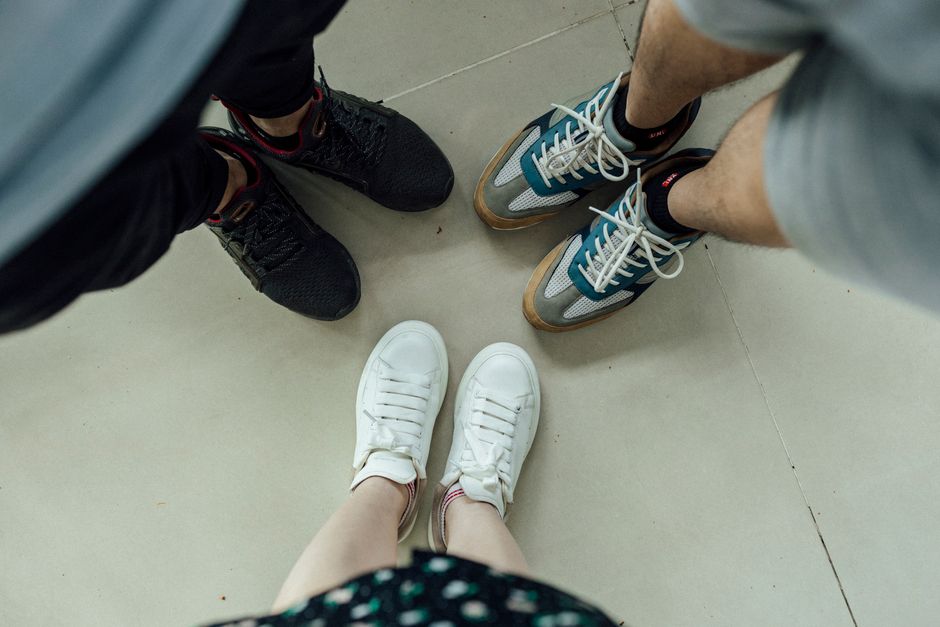
The most useful first principle is simple: a shoe that replaces several weaker purchases can have a better wardrobe impact than a supposedly greener shoe that sits in the box. A white sneaker earns its place by working with jeans, tailored trousers, shorts, relaxed suits, and everyday knitwear. If the shape feels awkward with your normal clothes, the material claims will not save the purchase. The best lower-impact decision is often buying one pair, wearing it for years, cleaning it properly, and resisting a second pair that performs the same job.
The material label is not the whole score
Organic cotton can reduce some farming impacts, recycled polyester can give waste a second use, and bio-based foam can replace part of the petroleum content in a sole. None of those facts make a sneaker impact-free. Leather still involves cattle and tanning, while coated vegan materials can contain plastic layers that are hard to recycle. Verdict: judge a white sneaker by material disclosure, expected wear, repair options, and your actual wardrobe. A plain shoe that survives regular use beats a trend-led purchase that needs replacing after one season.
Use this five-minute buying check before choosing
Fit and construction matter more than the logo. A sustainable sneaker that pinches your toes or folds badly will become an expensive mistake. Use this quick check in a store or during the return window.
1. Check the fit at the front
- Leave around 10 to 12 millimeters between your longest toe and the front of the shoe.
- Make sure your little toe does not press against the sidewall when you walk.
- Try the shoe with the socks you normally wear, not thin fitting-room socks.
2. Check the upper and heel
- Look for even stitching around the toe, eyelets, and heel counter.
- Walk for ten minutes. Your heel should stay secure without a tight top line.
- Check that the leather or textile bends at the ball of your foot rather than across the toe cap.
3. Check the sole and maintenance burden
A flat rubber sole suits city walking but will not replace a running shoe or a supportive work shoe. White suede panels look sharp and stain quickly. Smooth leather is easier to wipe clean. Do not machine-wash leather sneakers; use a soft brush, damp cloth, and mild cleaner, then dry them away from direct heat. Verdict: buy the pair that fits securely with the least fussy care routine. That usually means smooth leather for commuters and mesh only for people prepared to clean fabric stains fast.
Veja Campo or Autry Medalist: the clear buying verdict
Buy the VEJA Campo Leather White Natural for the best balance of price, styling, and documented material choices. It costs $175, works with nearly every casual outfit, and uses ChromeFree leather, organic cotton laces, recycled polyester lining, bio-sourced EVA, and Amazonian rubber. Its look is quieter than Autry’s, which is exactly why it stays useful after the current retro sneaker wave fades.
Choose the VEJA V-10 B-Mesh when breathability matters
The V-10 B-Mesh White Nautico is the better warm-weather option. Its upper uses 100% recycled polyester, and VEJA lists a $160 original price with a $112 sale price on the US site in September 2026. It is lighter and more breathable than a full leather shoe, but the mesh needs faster stain treatment and offers less protection in wet weather. Best verdict: V-10 B-Mesh for hot city days, Campo for year-round use.
Choose the Autry Medalist when finish and shape come first
The Autry Medalist Low White Leather costs $240 and has the strongest premium-retro presence here. Its padded collar and breathable toe box make it comfortable for long casual days, while the thicker tennis-inspired profile looks better with straight-leg denim and relaxed trousers than with slim tailoring. The Autry Medalist Low White and Black Leather gives the same basic idea more contrast. Best verdict: Autry for the better vintage silhouette, not the better sustainability case.
Questions to settle before you buy

Is Veja actually sustainable if it still uses leather?
No leather sneaker is impact-free. VEJA is the stronger choice because it explains where materials come from and publishes model-level percentages instead of relying only on a green brand image. Its leather remains leather, and its coated C.W.L. alternatives still contain a petroleum-based layer. Buy the Campo for better disclosure, not for a guilt-free purchase.
Are Autry sneakers worth $240?
They are worth it for the soft leather, padded collar, and distinctive 1980s shape. They are not worth it if you want the lowest price or the clearest sustainability data. The $175 VEJA Campo is the better value for a first white sneaker; the Autry Medalist makes sense as a second pair when the styling is the main goal.
When should you buy neither?
Skip both if you need arch support, wet-weather grip, or a performance walking shoe. Neither the Campo nor the Medalist is a running trainer, hiking shoe, or waterproof commuter boot. Also skip white leather if you will not clean it every few wears. The next phase of the white sneaker market will be decided by repair, traceability, and end-of-life systems, not by another small logo on the sidewall.